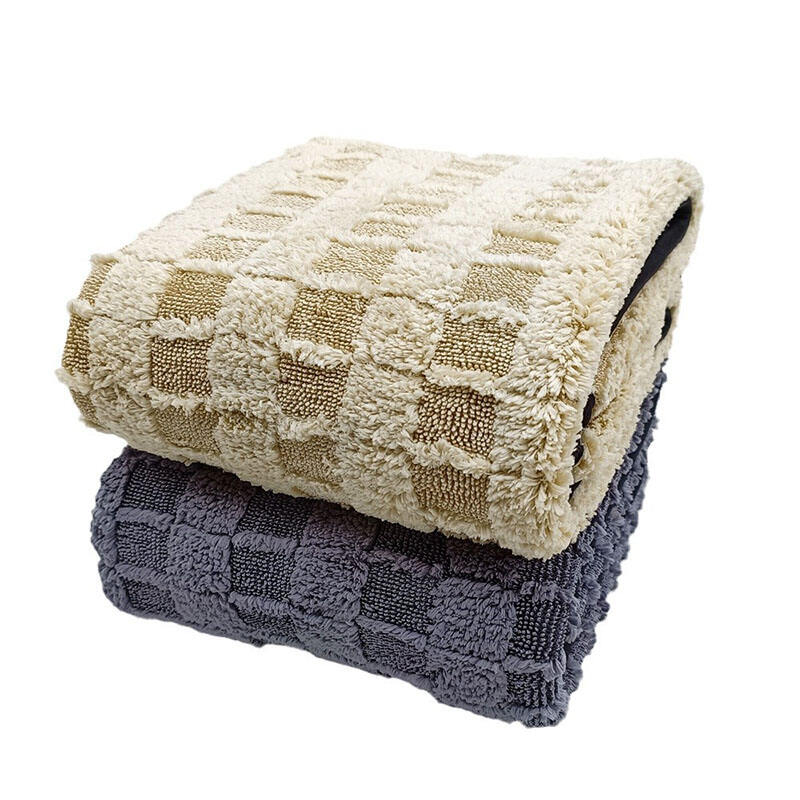
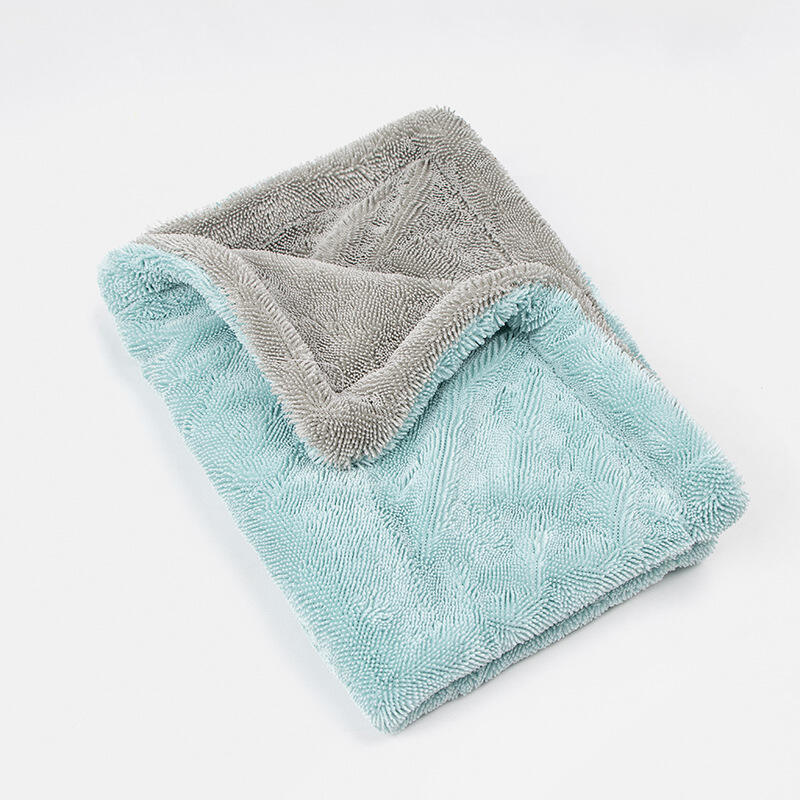
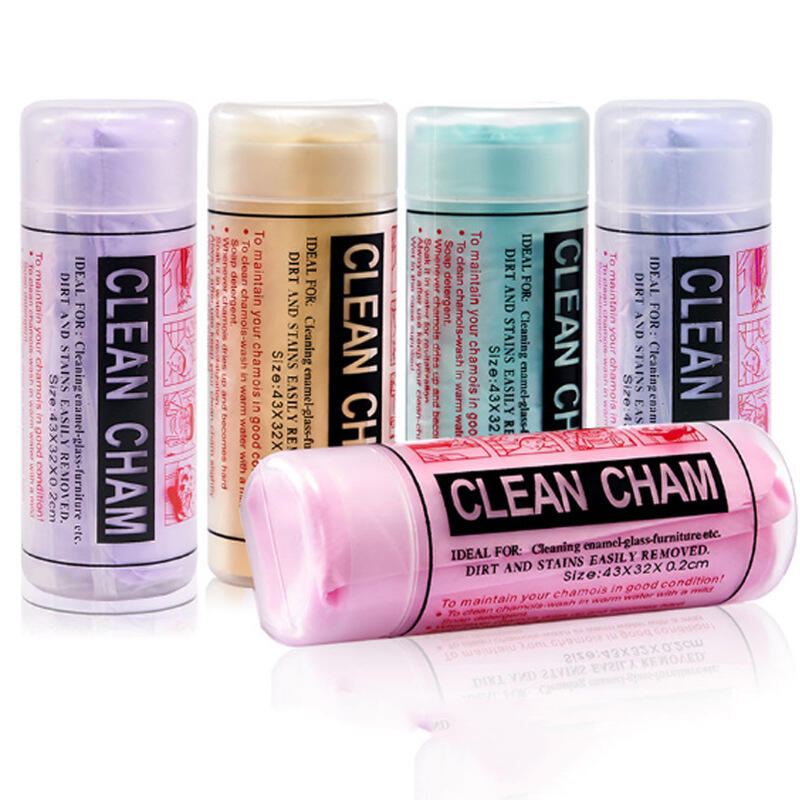
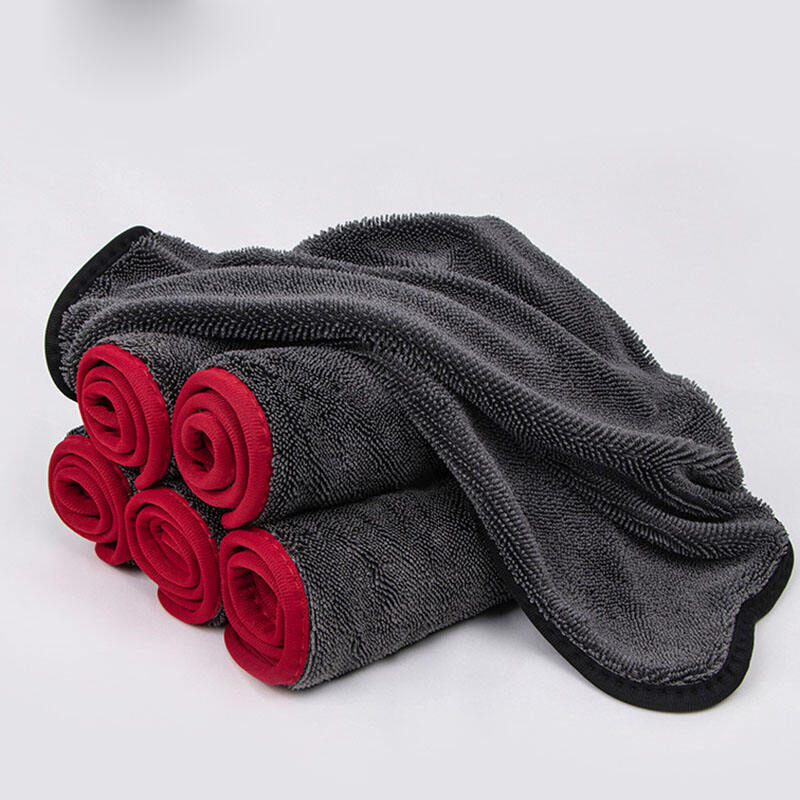
The evolution of automotive paint and clear coat technology demands an equally sophisticated approach to surface care. Automotive microfiber towels represent a critical intersection of material science and practical application, where the wrong choice can degrade a vehicle's value and appearance. At Zhejiang Esun Environmental Technology, our focus extends beyond generic cloth production into the specialized engineering of textiles that interact safely and effectively with automotive surfaces. The fundamental superiority of a professional-grade automotive microfiber towel lies in its construction. True high-quality microfiber is composed of ultrafine filaments, typically a blend of polyester and polyamide, that are mechanically split during production. This splitting process creates an exponential increase in surface area within each fiber, transforming it into a dense network of microscopic channels. On a functional level, this structure performs two key actions simultaneously: capillary absorption and mechanical entrapment. The channels wick away and lock in liquids—be it water, polish, or cleaning solution—far more efficiently than traditional cotton. Concurrently, the split fibers act like tiny hooks, gently gripping and lifting dust, pollen, and abrasive contaminants from the surface, rather than grinding them in.
This performance dictates specific design parameters for different tasks, a specialization core to our product development. For instance, a towel intended for final drying requires a high GSM (grams per square meter) and a long, plush nap. The deep pile creates a cushion of air between the towel's base and the paint, allowing the split fibers to absorb water through capillary action while minimizing direct friction. This results in a "sheeting" effect that reduces wipe cycles and the risk of instilling swirl marks. Conversely, a towel designed for applying a fine polish or glaze must have a very short, dense nap. A long pile would allow the abrasive particles within the polish to travel too freely, potentially causing holograms or buffer trails, while a short nap keeps the product directly at the work interface and ensures a perfectly flat, lint-free surface for a uniform finish. The edges are another critical consideration; laser-cut or meticulously bound edges prevent loose threads from contacting the paint, a common source of fine scratches from inferior towels.
The application of these specialized automotive microfiber towels spans the entire vehicle ecosystem. In a professional detailing studio, a multi-towel system is employed to prevent cross-contamination—designated sets for paint, glass, wheels, and interior—which maximizes efficiency and guarantees results. This system relies on the towels' durability to withstand frequent industrial laundering. For car dealerships, a supply of high-quality drying and quick-detail towels is essential for pre-delivery preparation and maintaining lot inventory, directly impacting customer first impressions. Fleet management companies utilize durable, all-purpose towels for routine maintenance washes, where cost-per-use and longevity are key metrics. Furthermore, the rise of eco-conscious, waterless wash systems is entirely dependent on the capability of premium microfiber. These systems use lubricating sprays that are emulsified with dirt and then safely lifted away by a stack of our towels, conserving thousands of gallons of water annually and allowing for safe cleaning in locations where water use is restricted. By providing OEM solutions across these segments, Esun enables businesses to standardize on a tool that enhances service quality, operational efficiency, and environmental responsibility.
 EN
EN