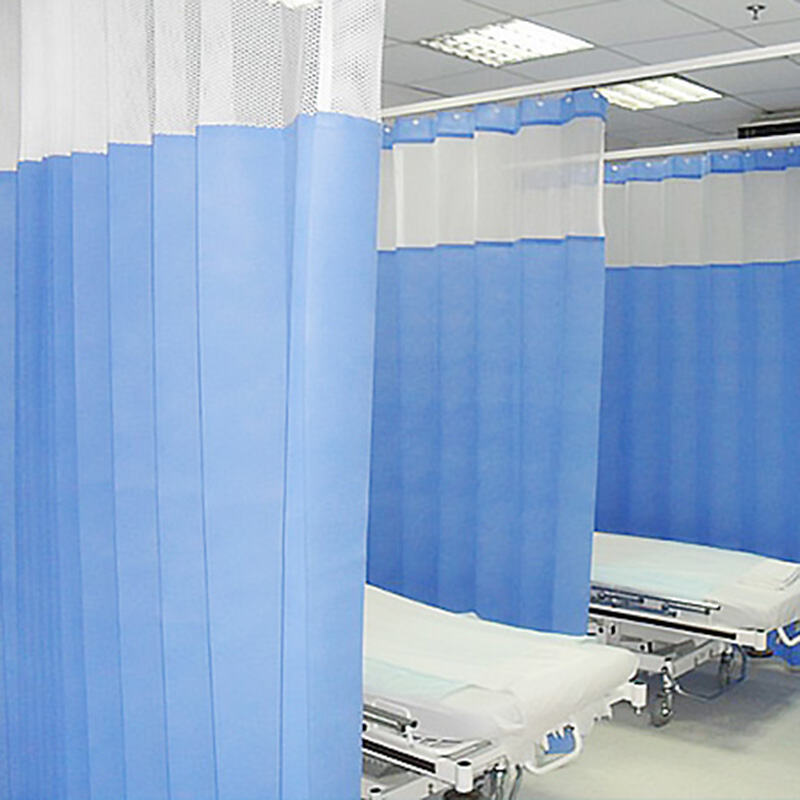
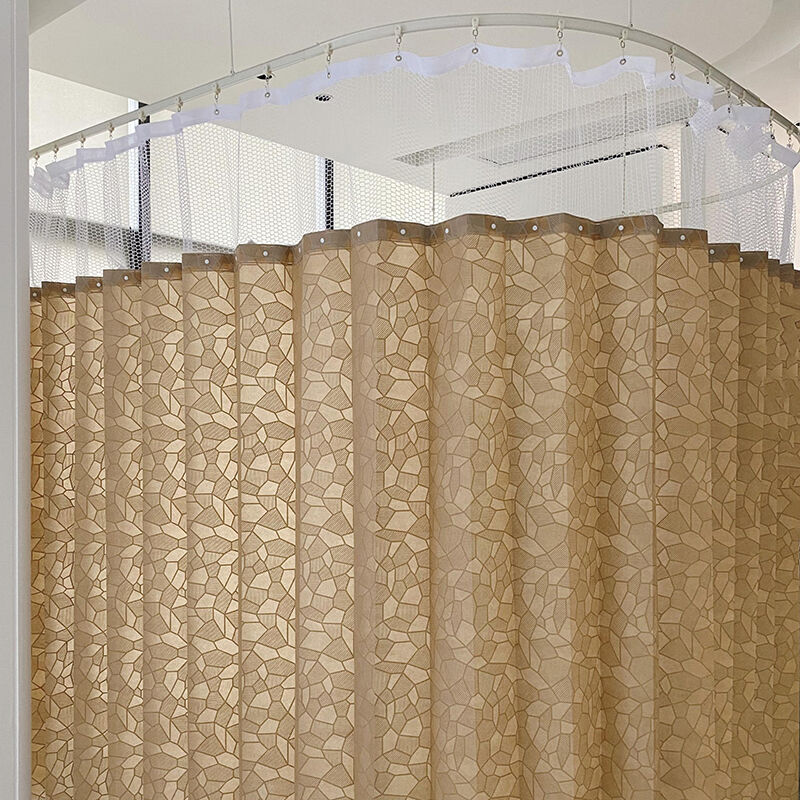
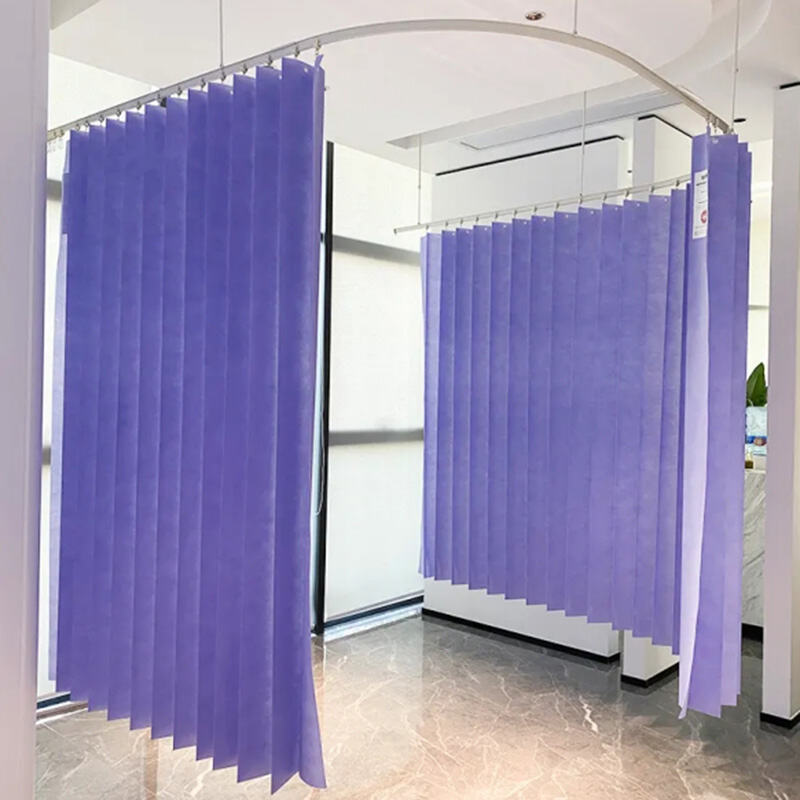
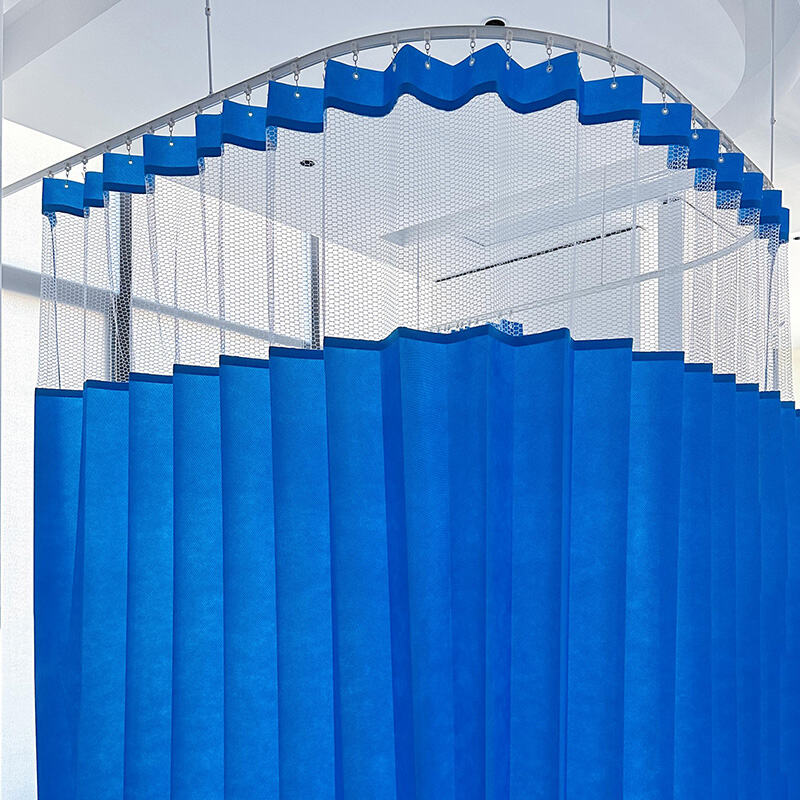
In the meticulously planned environment of a healthcare facility, every detail is scrutinized for its impact on outcomes, efficiency, and experience. The choice of Blue Hospital Curtains represents a strategic intersection of clinical functionality, evidence-based design, and operational practicality. While white or green were once defaults, the specific adoption of blue hues is a deliberate decision backed by research into environmental psychology and material science.
The primary function of any hospital curtain is to provide visual privacy. However, the color blue adds a significant secondary layer: psychological modulation. Numerous studies in environmental psychology indicate that blue environments can evoke feelings of calmness, security, and trust. For patients—often in states of stress, pain, or anxiety—being surrounded by soft, non-institutional shades of blue (such as sky blue or serene azure) can have a measurably soothing effect. This is particularly valuable in emergency department bays, MRI suites, pre-operative holding areas, and pediatric wards, where patient anxiety is typically highest. For staff who work long shifts under fluorescent lighting, blue surroundings are less straining on the eyes compared to stark white, potentially reducing visual fatigue and contributing to a slightly more pleasant working environment.
From an infection control standpoint, the color blue offers practical advantages. Certain shades of blue more effectively mask common stains (like iodine or betadine) than white or light yellow curtains, maintaining a cleaner appearance between scheduled laundering. This is not an excuse for poor hygiene but a functional benefit that supports perceived cleanliness—a factor highly important to patient satisfaction scores. When combined with the essential antimicrobial fabric treatment that premium manufacturers integrate, Blue Hospital Curtains become a component of the facility's hygiene strategy. This treatment works continuously to inhibit microbial colonization on the curtain surface itself, providing a 24/7 supplement to manual cleaning protocols.
The material specifications for these curtains are non-negotiable. A typical high-grade Blue Hospital Curtain fabric will have a weight of 230-260 g/m², offering sufficient opacity for privacy and durability for daily use. The fabric must achieve a Class B1 flame retardancy rating, meaning it is difficult to ignite and will self-extinguish, a critical life safety feature. Furthermore, the blue dye used must be exceptionally colorfast to withstand frequent laundering with industrial-grade disinfectants and detergents at high temperatures (e.g., 71°C/160°F) without significant fading or transfer.
Operationally, blue serves as an effective functional color for inventory and zoning management. A facility can standardize on blue for all general patient cubicles, using different colors (like green or purple) for specific zones such as isolation, psychiatry, or labor and delivery, allowing for instant visual identification by staff. This streamlines logistics and replacement processes.
The transition from viewing curtains as a commodity to recognizing them as a specialized medical textile is key. A premium Blue Hospital Curtain is a engineered product. It balances the therapeutic benefit of its color with the uncompromising requirements of clinical safety, infection prevention, and physical durability. For procurement officers and facility managers, the decision involves evaluating total cost of ownership: a slightly higher initial investment in a curtain with superior color retention, antimicrobial durability, and tear strength will result in fewer replacements over time, lower lifecycle costs, and a consistently professional environment. To discuss the specific shades, technical specifications, and compliance certifications for our Blue Hospital Curtains, or to request fabric swatches for your next project, please contact our healthcare solutions team directly.
 EN
EN