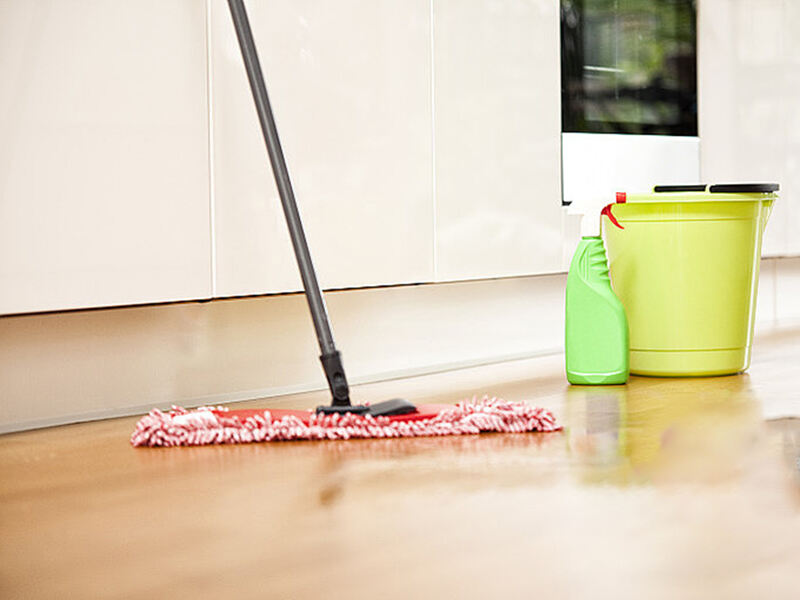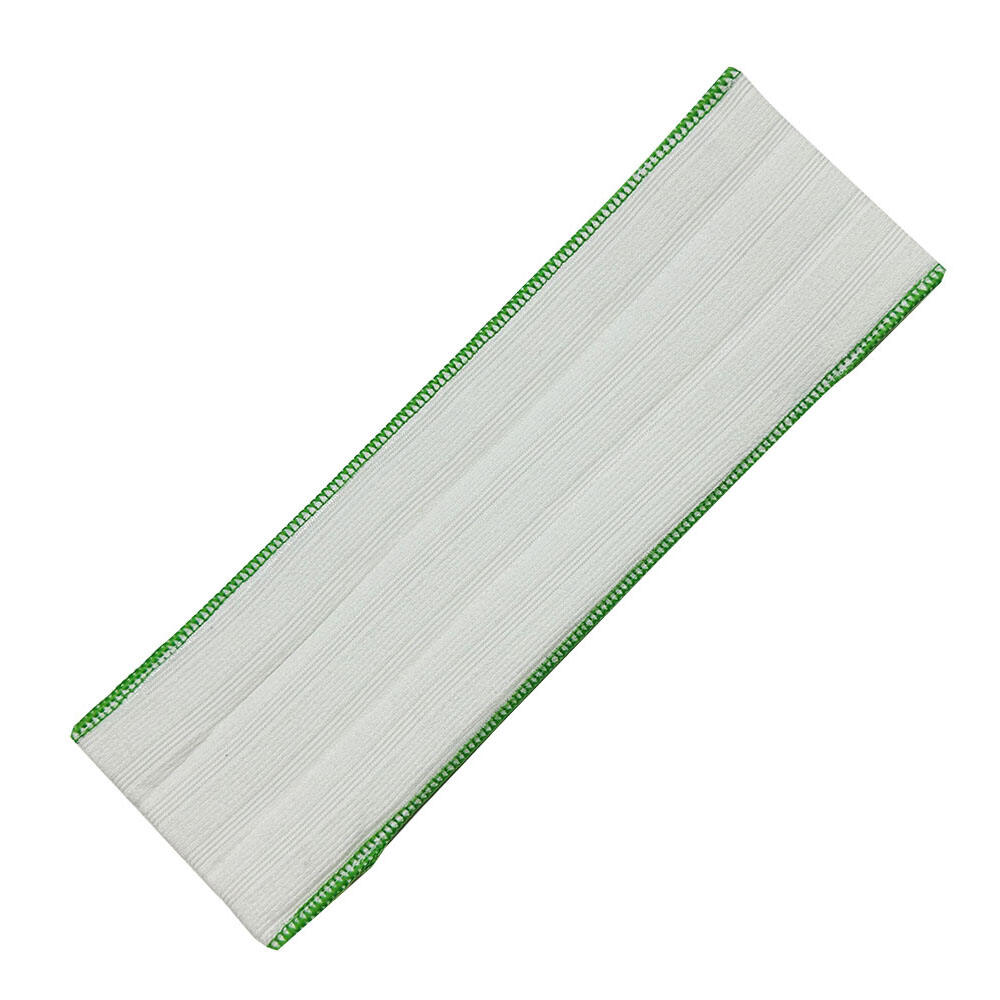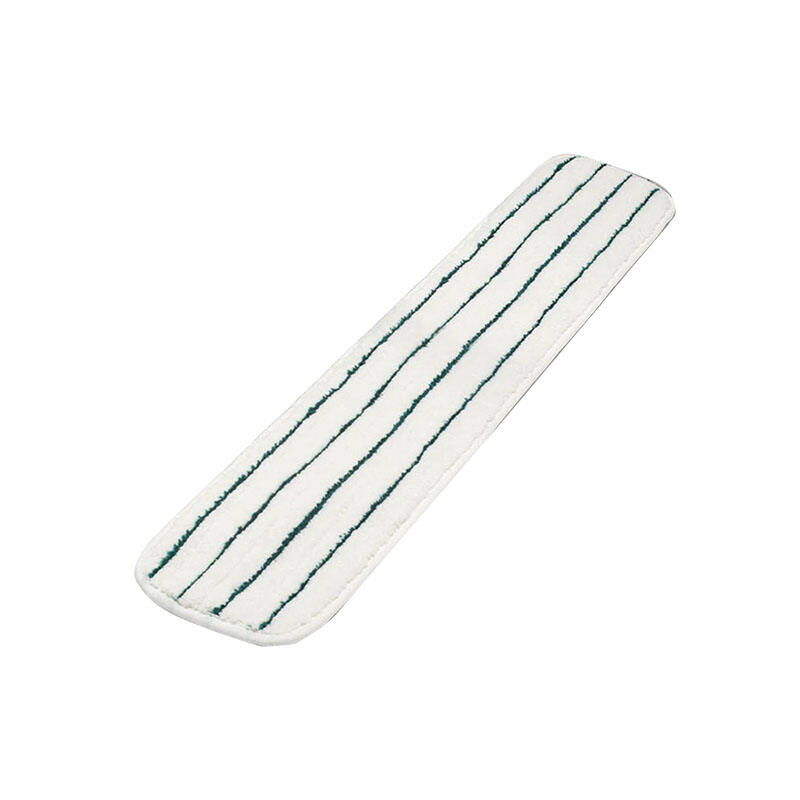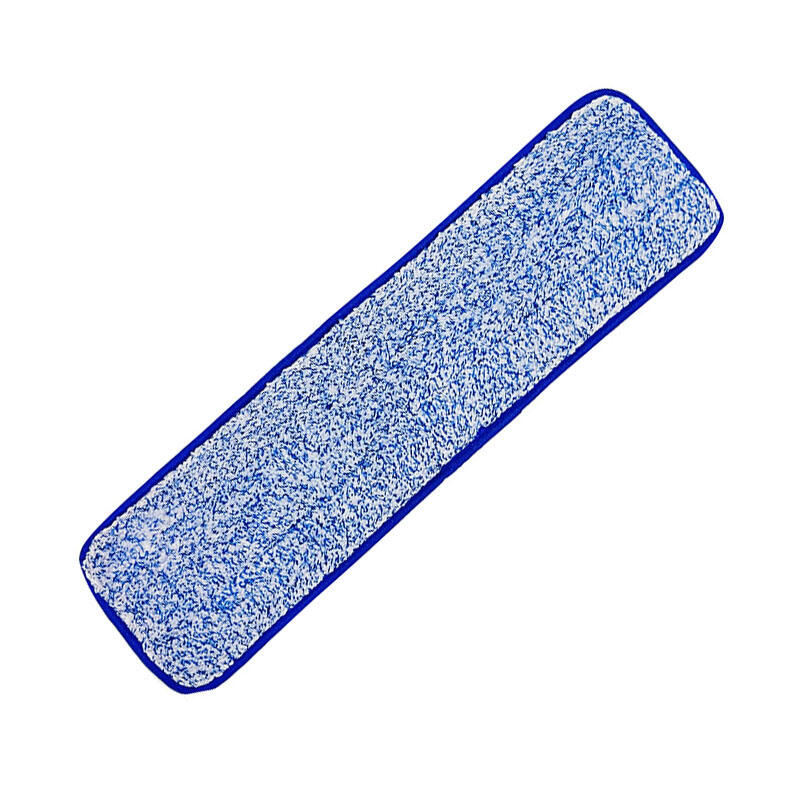
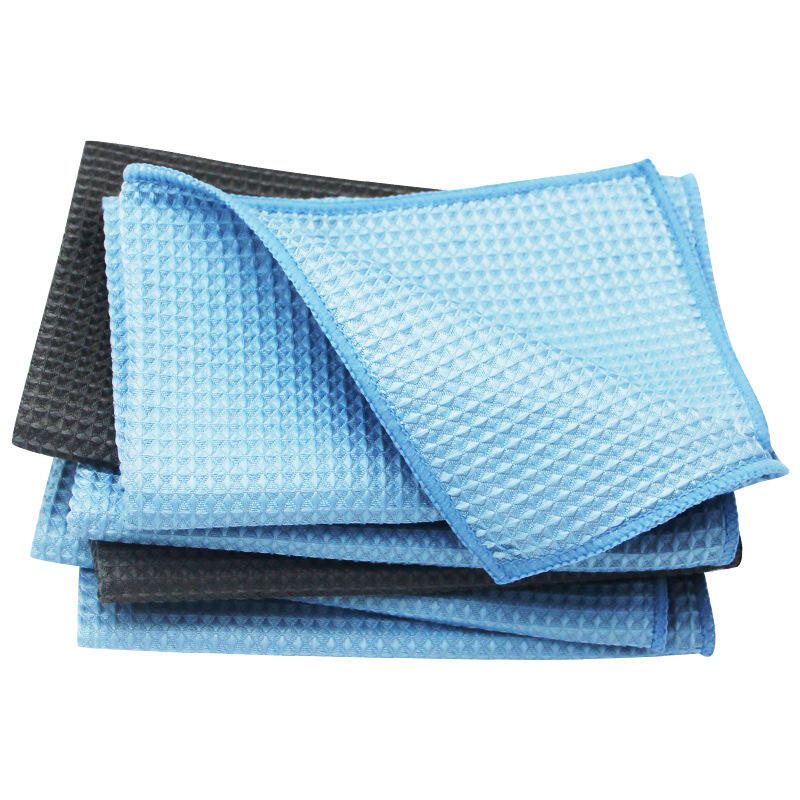
Investing in a systematic microfiber mopping program is a strategic decision for any facility manager focused on hygiene, efficiency, and cost effectiveness. A complete system typically includes a lightweight, ergonomic mop frame, a selection of color coded microfiber pads for dedicated tasks (e.g., red for high risk restroom areas, green for kitchen/food zones), and a convenient storage/transport cart. This systemized approach standardizes cleaning procedures, minimizes training time, and drastically reduces the risk of cross contamination. The economic advantage is clear when analyzing the lifecycle cost. While a traditional cotton loop mop may be cheaper upfront, it degrades quickly, requires frequent replacement, and consumes large volumes of water and chemicals. A high quality microfiber pad, by contrast, can be laundered and reused hundreds of times, slashing recurring supply costs. Furthermore, the labor efficiency gains are substantial; microfiber mops are lighter, easier to wring (often with a hands free bucket system), and clean more effectively in a single pass, allowing cleaning staff to cover larger areas in less time. In a real world application, a large retail chain reported a 20% reduction in cleaning time and a 60% decrease in chemical usage across its locations after implementing a standardized microfiber program, leading to significant annual savings and a smaller environmental footprint.