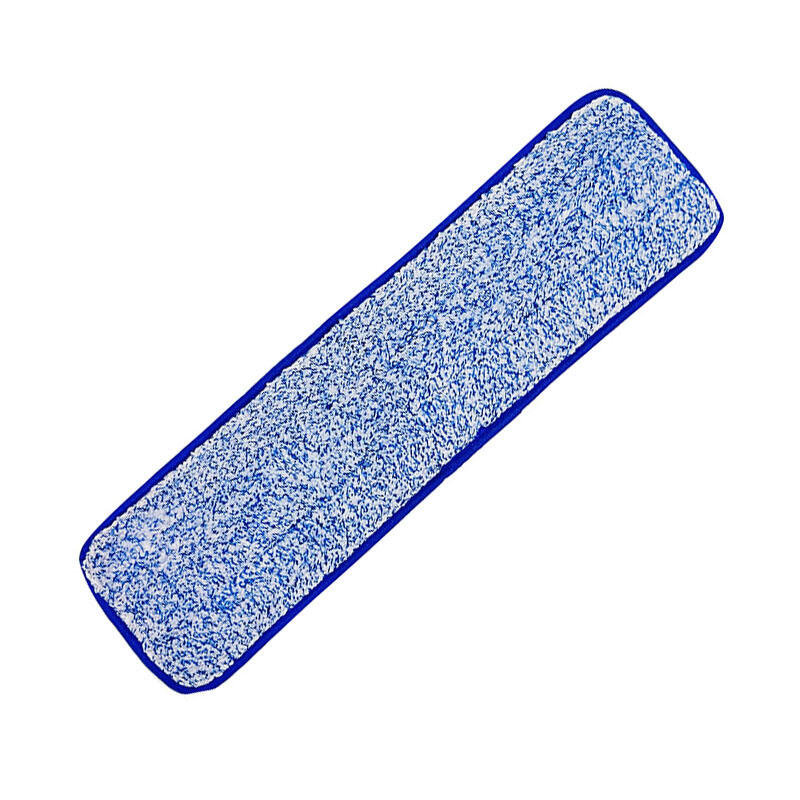
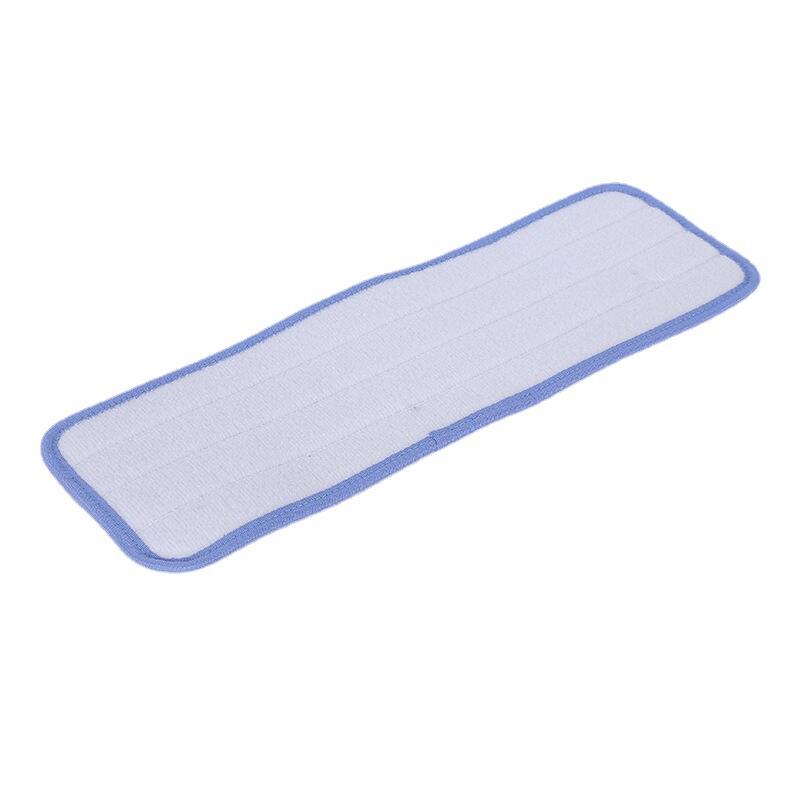
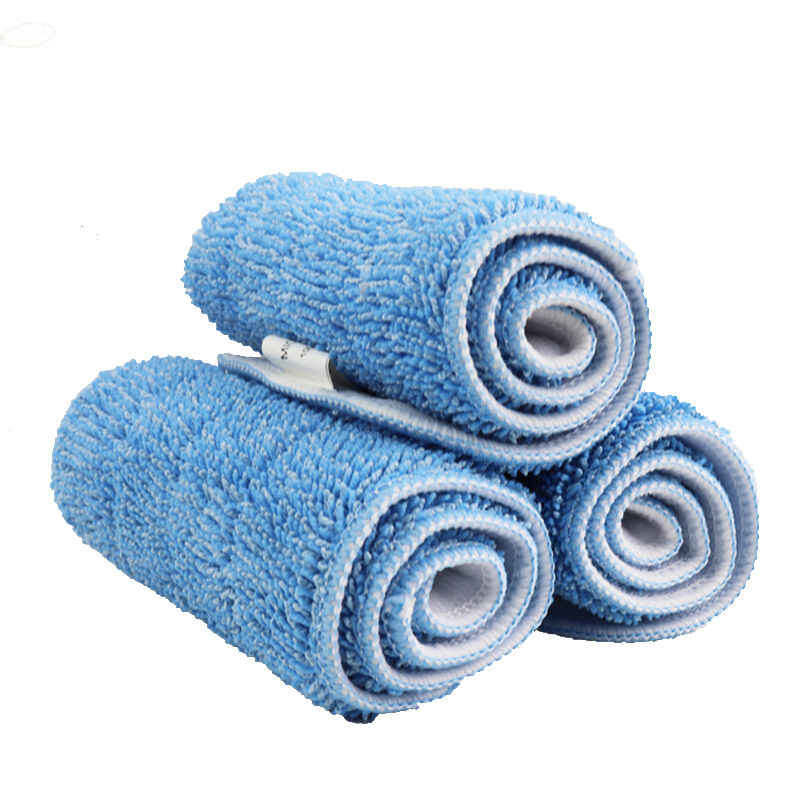
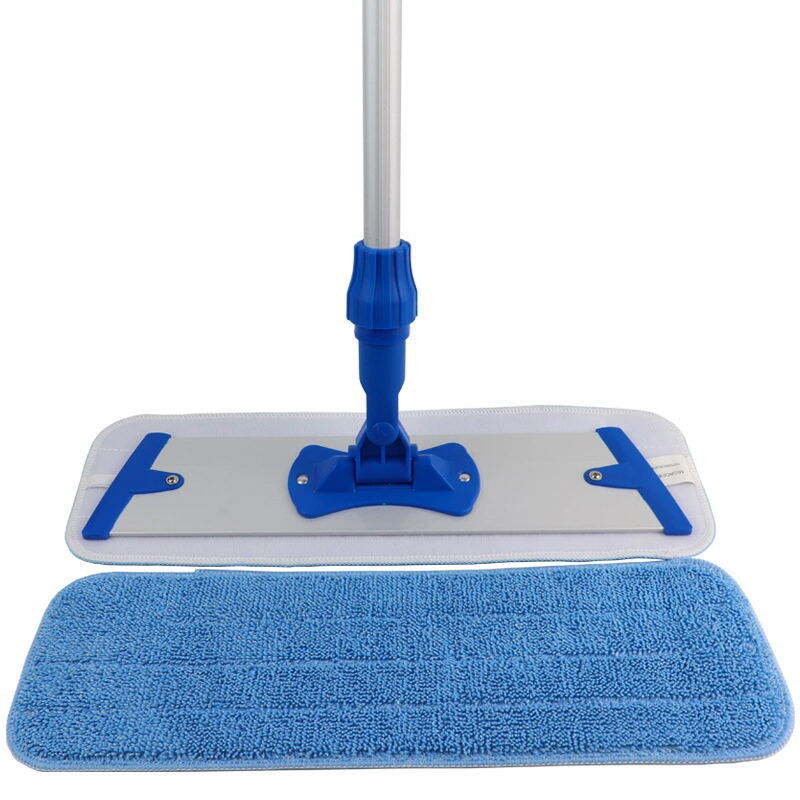
In the operational calculus of managing commercial, healthcare, and hospitality facilities, floor maintenance is a significant line item with direct impacts on safety, aesthetics, and perceived cleanliness. The central tool in this endeavor, the commercial floor cleaning mop, has evolved from a basic custodial implement into a sophisticated system that directly influences labor productivity, infection control protocols, and environmental sustainability goals. For a specialized manufacturer like Zhejiang Esun Environmental Technology, the engineering of these systems is driven by a deep understanding of the pain points faced by facility managers: the need to clean larger areas faster, to demonstrably reduce pathogen transfer, and to manage tight operational budgets without compromising on results. The primary advancement in modern systems is the shift from traditional string mops and buckets to microfiber-based flat mopping systems. This transition is rooted in demonstrable hygiene and efficiency gains. A traditional cotton string mop, used in a single bucket of cleaning solution, becomes saturated with contaminants and effectively redistributes soil and microbes across the floor. In contrast, a systematic commercial floor cleaning mop approach utilizes a two-bucket method (one for clean solution, one for wringing) with color-coded, launderable microfiber pads. Microfiber’s split-fiber structure attracts and traps pathogens and dust at a microscopic level. When combined with a pad-per-room or pad-per-zone protocol, the risk of cross-contamination—a critical concern in hospitals between patient rooms or in food service areas between dining and kitchen spaces—is drastically minimized. This systematic approach turns a cleaning activity into a verifiable hygienic protocol. Labor efficiency and ergonomics are equally critical design parameters. Commercial cleaning staff are among the occupational groups at highest risk for musculoskeletal disorders. A poorly designed commercial floor cleaning mop exacerbates this risk. Modern systems address this through lightweight, balanced aluminum frames with swivel heads that reduce wrist and shoulder strain when navigating around furniture. Telescopic handles allow adjustment to user height, promoting a healthier posture. The integration of foot-pedal wringers eliminates the need for workers to touch contaminated mop heads, enhancing both hygiene and comfort. Furthermore, the large surface area of a flat mop head covers more ground per stroke than a string mop, directly reducing cleaning time for large, open-plan areas like airport concourses, school hallways, or retail warehouse floors. Time saved on routine tasks can be reallocated to detailed cleaning or other maintenance duties. The financial and environmental argument for a high-quality system is compelling when evaluated through the lens of total cost of ownership (TCO). The initial investment in a robust commercial floor cleaning mop system with reusable components is offset by long-term savings. Durable microfiber pads, capable of surviving hundreds of industrial laundry cycles, eliminate the recurring expense of disposable mop heads or chemical wipes. This durability also reduces procurement complexity and inventory storage. Environmentally, this reusability aligns with corporate sustainability mandates, diverting significant volumes of waste from landfills. Additionally, the superior cleaning performance of microfiber often reduces the consumption of water and chemical detergents, lowering utility costs and minimizing the environmental impact of chemical runoff. Implementing the right system requires partnership with a manufacturer that understands scale, compliance, and customization. Global facilities or regional chains need a supplier capable of consistent, large-volume production and reliable international logistics—a capability demonstrated by a presence in 65 countries. They may also require systems that comply with specific industry guidelines, such as those for healthcare acquired infection (HAI) prevention. As a manufacturer with dedicated R&D resources, we engage with clients to develop tailored solutions, whether that involves custom pad sizes, specific color-coding schemes, or proprietary antimicrobial treatments. We invite facility managers, procurement specialists, and janitorial supply distributors to contact our team for a detailed consultation. Share your floor plans, traffic patterns, and operational challenges with us, and we will provide a comprehensive analysis and quotation for a commercial floor cleaning mop system engineered to elevate your facility’s standards of cleanliness, efficiency, and cost-effectiveness.
 EN
EN