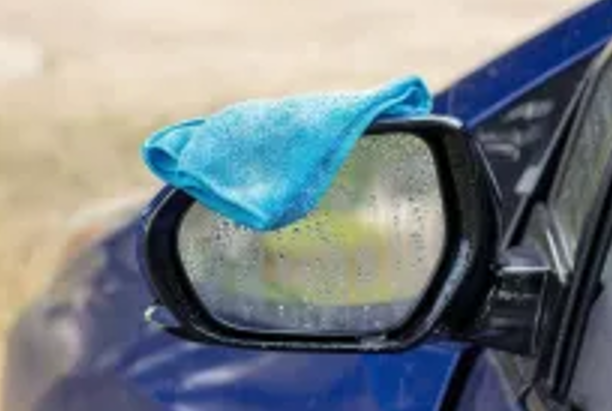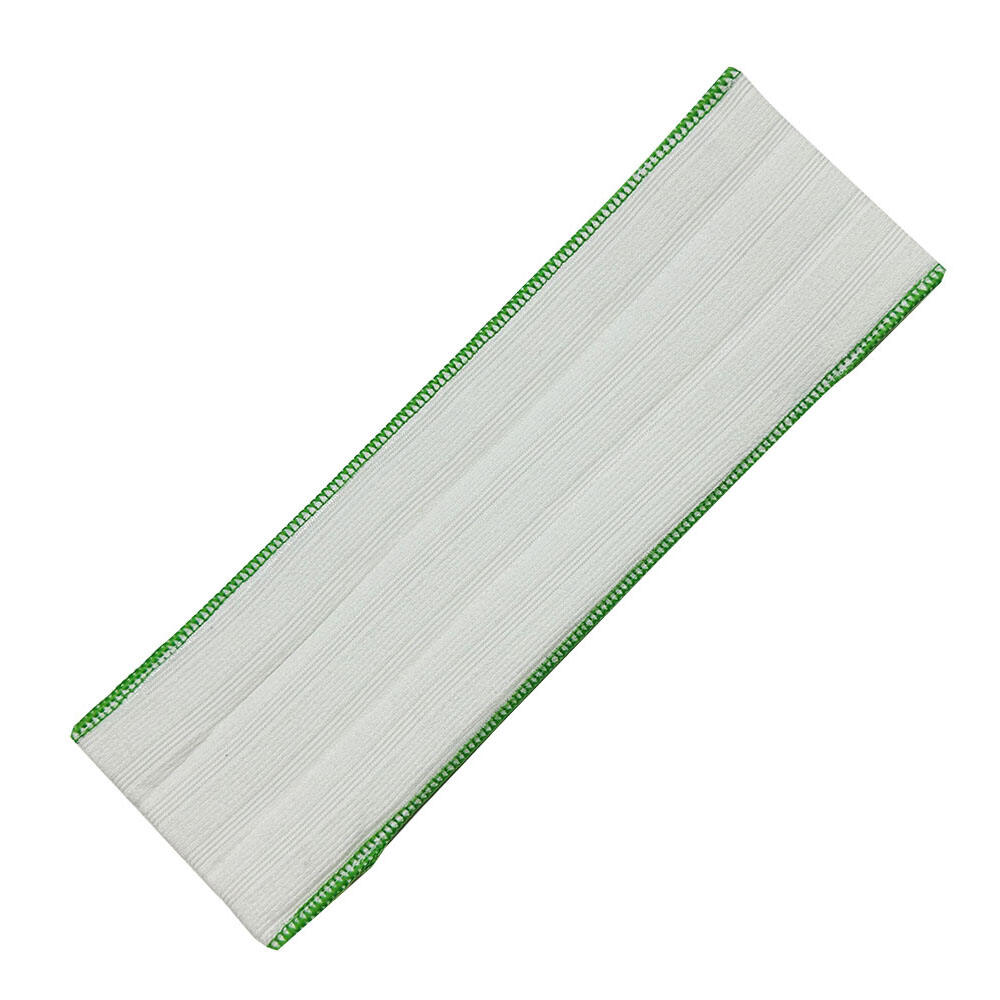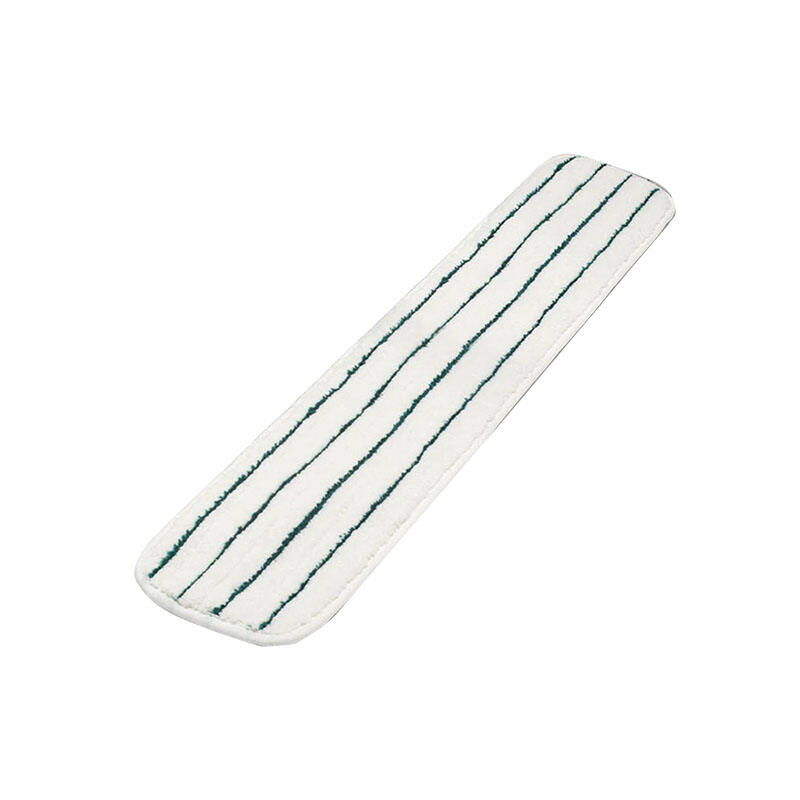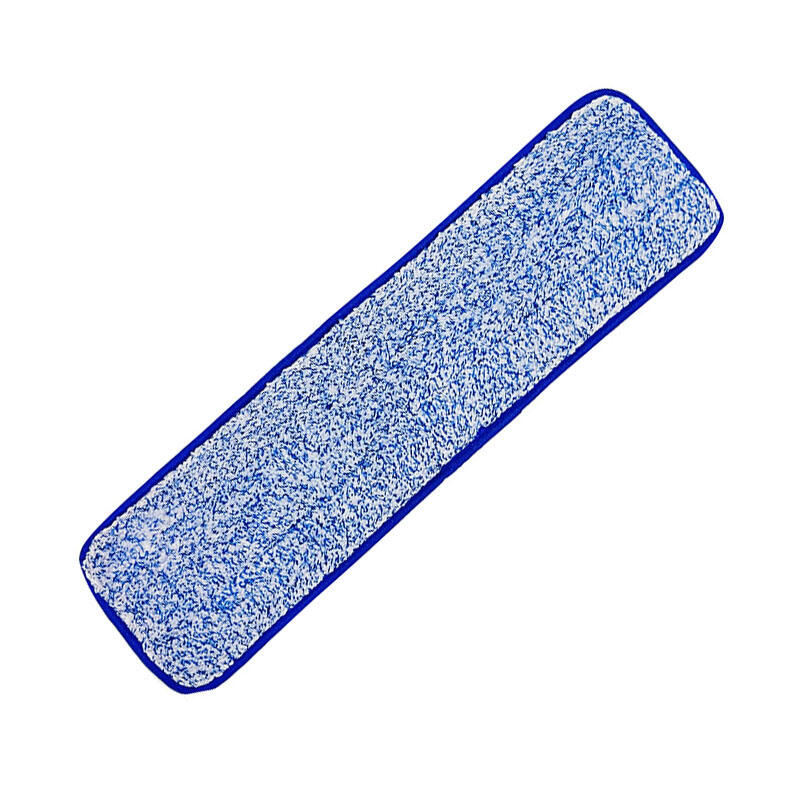
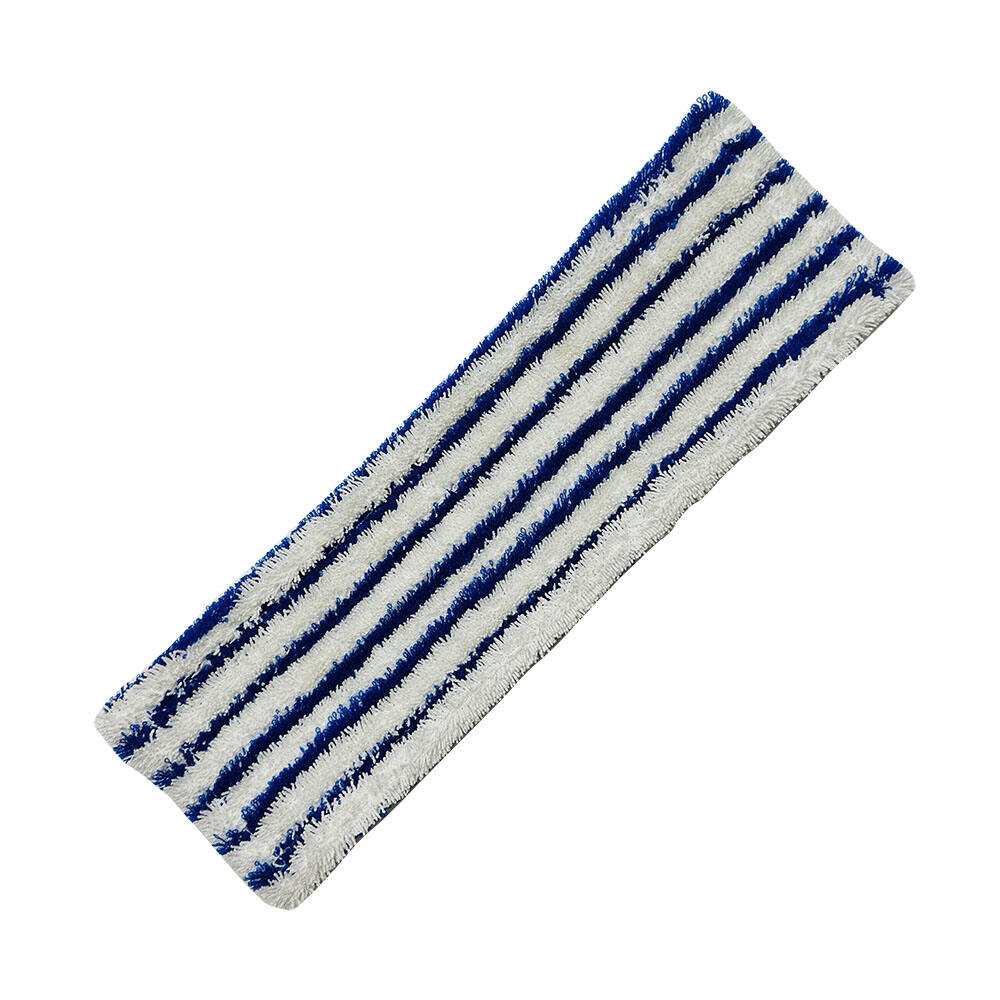
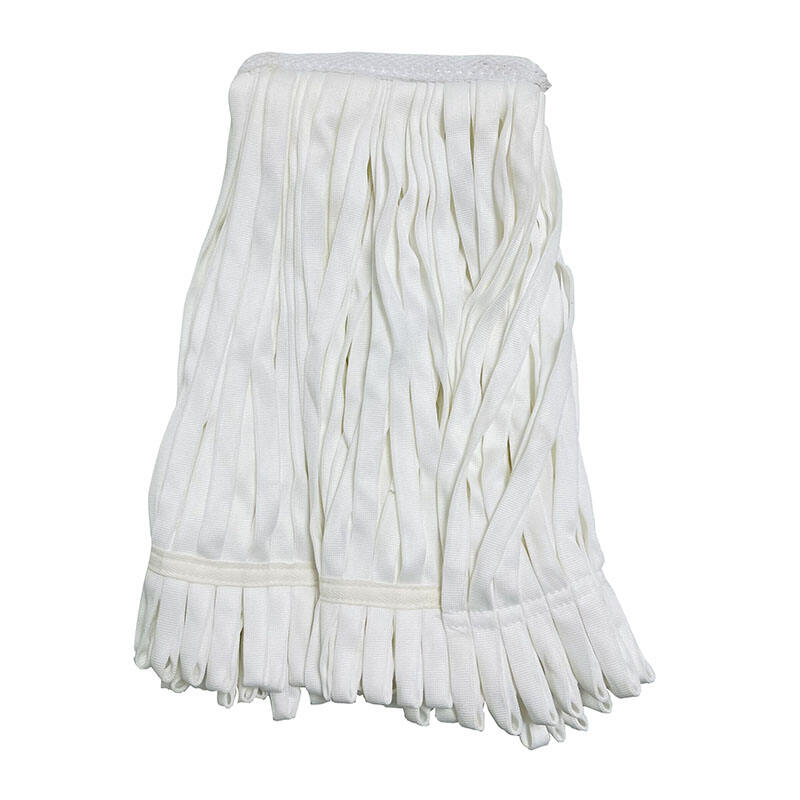
A critical, yet often overlooked, component of a successful microfiber mopping program is the laundering process. Improper washing can quickly degrade the fibers, clog the spaces between them with residue, and lead to cross contamination. Best practices mandate that microfiber pads should be laundered separately from other textiles to prevent lint from cotton towels from clogging the microfibers. The use of harsh detergents, fabric softeners, or bleach should be avoided, as these chemicals can coat the fibers, reducing their electrostatic charge and absorbency. Instead, a neutral pH detergent designed specifically for microfiber is recommended. Water temperature is also crucial; a warm wash followed by a thorough rinse is ideal. High heat drying can damage the fibers and melt the bonding agent, so air drying is preferred, or a low heat tumble dry. Facilities with large scale operations often partner with professional textile rental services that provide a closed loop system: delivering clean, sanitized pads and collecting used ones for industrial laundering under controlled conditions. This ensures consistent performance, guarantees hygiene, and simplifies inventory management for the end user, making the entire mopping system more reliable and effective.