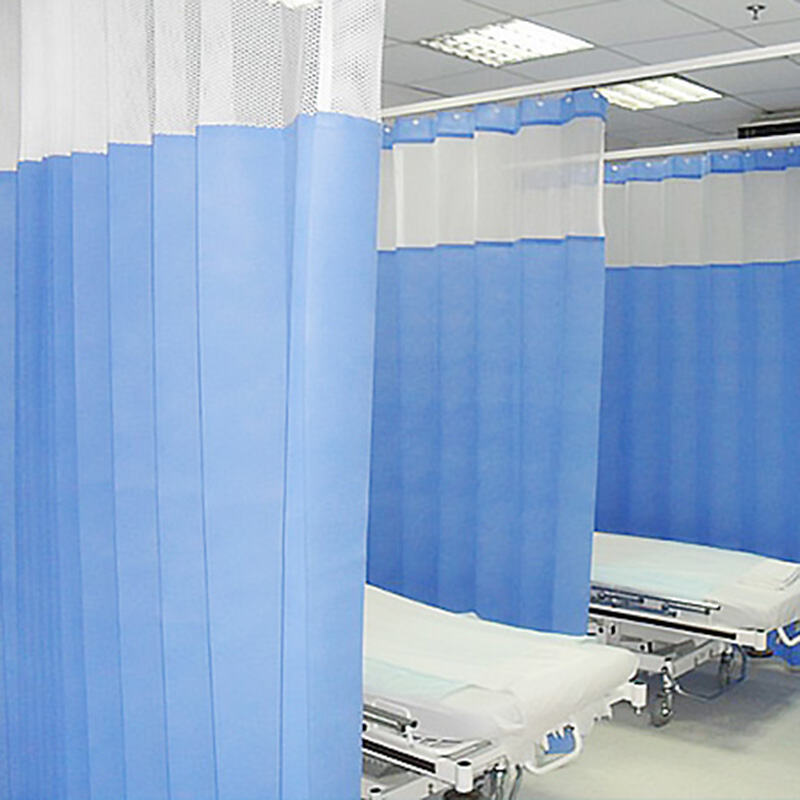
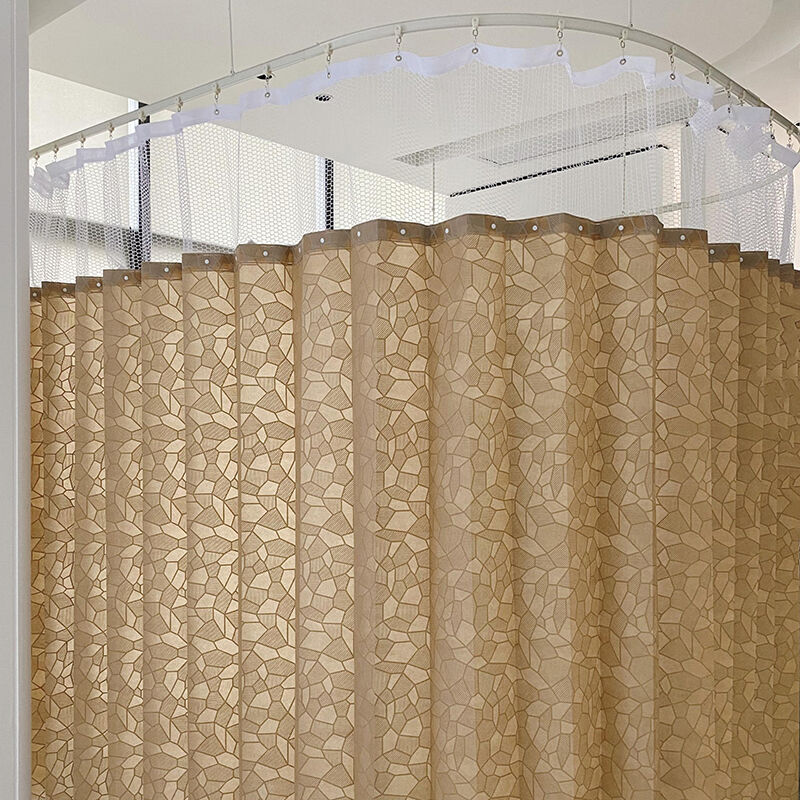
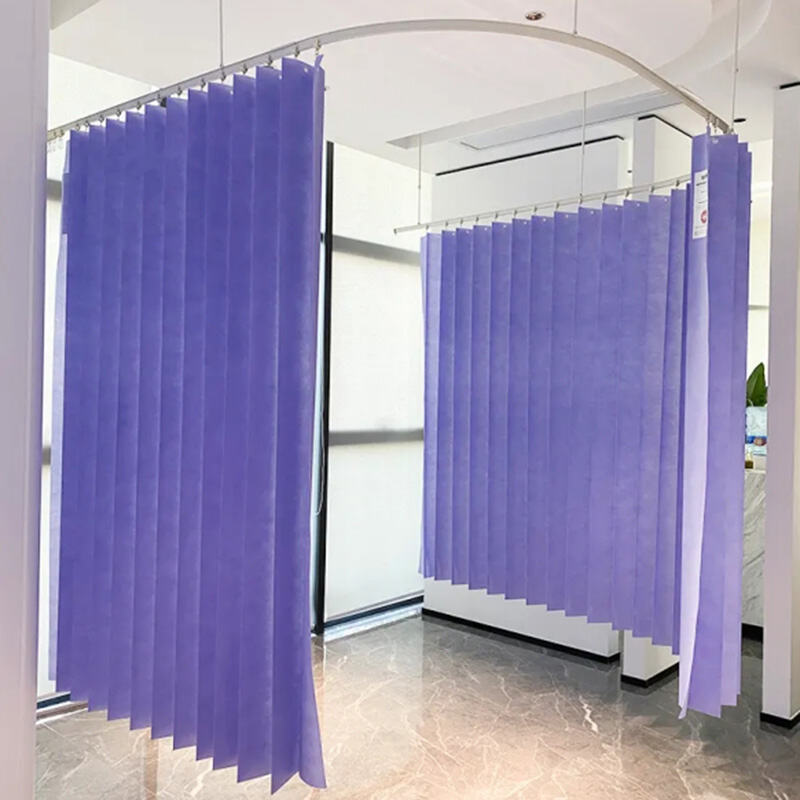
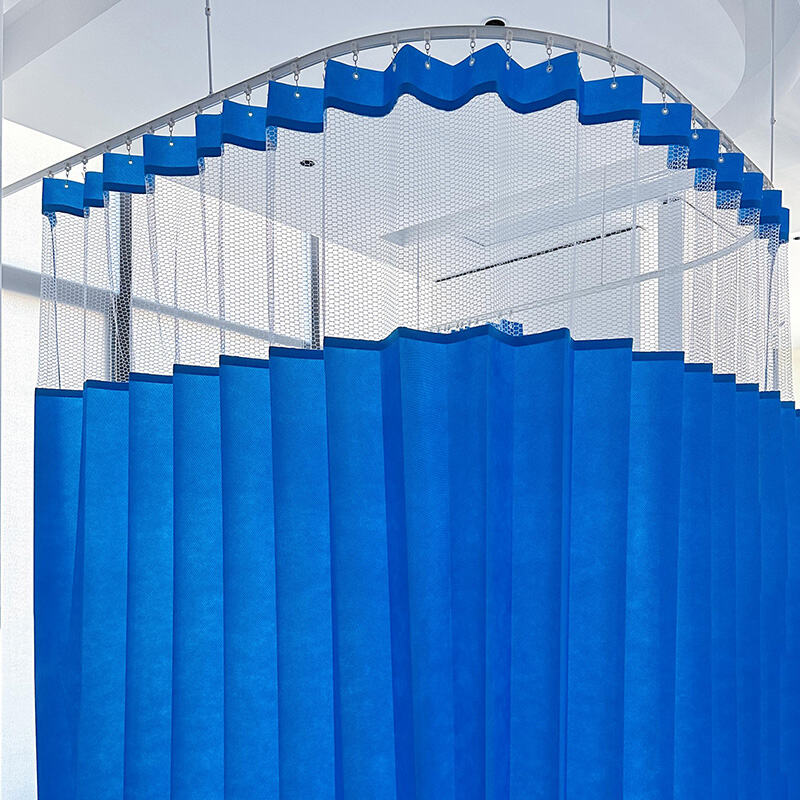
Within the complex ecosystem of a healthcare facility, every element plays a role in patient outcomes, operational efficiency, and safety. Hospital Cubicle Curtains serve a fundamental yet multifaceted purpose: creating temporary private spaces in shared areas. However, their function extends far beyond simple visual screening. In reality, these curtains exist at the intersection of patient dignity, clinical workflow, and rigorous infection control mandates, making their specification a decision of substantial importance.
The primary application of Hospital Cubicle Curtains is in space management within multi-bed wards, emergency rooms, recovery areas, and outpatient consultation zones. They provide an essential layer of privacy for patients during examinations, procedures, and personal moments, directly contributing to a more respectful and humane care environment. For staff, easily maneuverable curtains facilitate efficient access to patients and equipment. Yet, the material choice for these curtains carries significant implications. Standard fabrics can become reservoirs for pathogens, collecting and transmitting microbes through contact or air movement. This is where the specialization of a hygiene-focused manufacturer becomes critical. High-performance cubicle curtains are constructed from fabrics engineered to inhibit the growth of bacteria, fungi, and viruses. These materials often feature tight weaves or knitted barriers that resist fluid penetration from spills or splashes, preventing stains and the seepage of contaminants. Furthermore, they are designed for easy and frequent decontamination, capable of withstanding industrial laundering cycles with harsh disinfectants without degrading in color, strength, or functionality.
Consider the practical scenarios. In a busy hospital ward, a curtain surrounding a patient with an infectious condition acts as a physical barrier. A curtain with antimicrobial properties reduces the bioburden on the fabric surface, lowering the risk of cross-contamination to healthcare workers or the next patient using the space. In an emergency department, curtains that resist fluids and bloodborne pathogens are crucial for safety and ease of cleaning between patients. For long-term care facilities, durability and flame retardancy are paramount for resident safety. The design also plays a role; color-coded curtain systems can help staff quickly identify specific departments or isolation zones, streamlining operations.
The lifecycle cost is a key consideration for hospital procurement teams. A low-quality curtain that stains easily, loses its protective coating, or tears after few washes becomes a recurring expense. Investing in premium Hospital Cubicle Curtains from a certified manufacturer like Esun translates to long-term value. Our curtains are built for endurance, maintaining their protective barriers and aesthetic appeal through hundreds of wash cycles. This durability, combined with potential customization in size and attachment systems to fit existing tracks, ensures a seamless integration into your facility. As a leader in hygiene solutions with a commitment to innovation, we develop products that address these real-world clinical and operational challenges. We invite you to contact our team to discuss your specific application, request information on our fabric technologies and compliance certifications, or obtain samples to evaluate the quality and suitability of our Hospital Cubicle Curtains for your healthcare institution.
 EN
EN