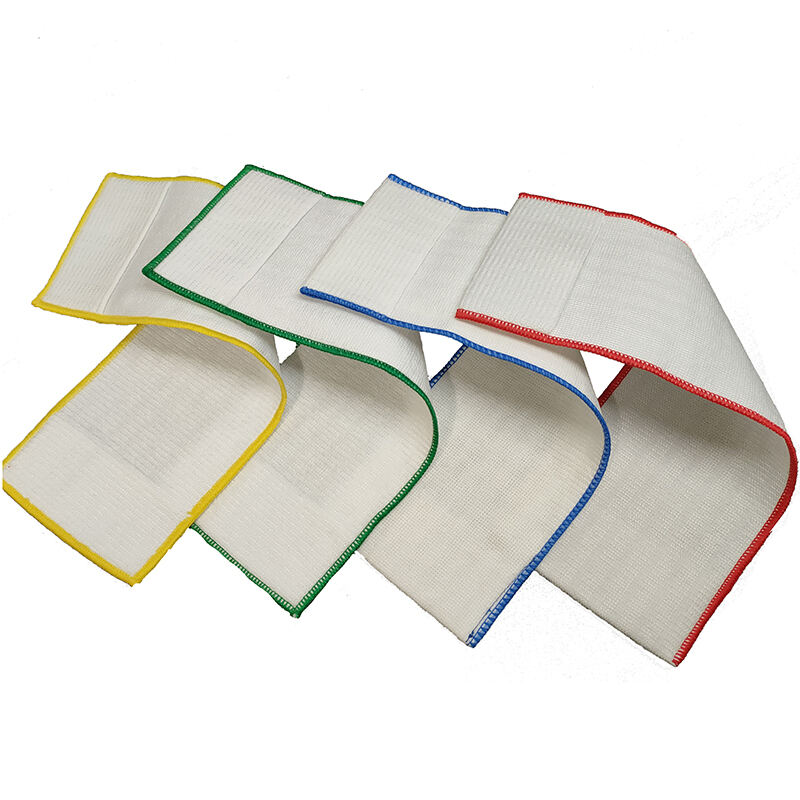
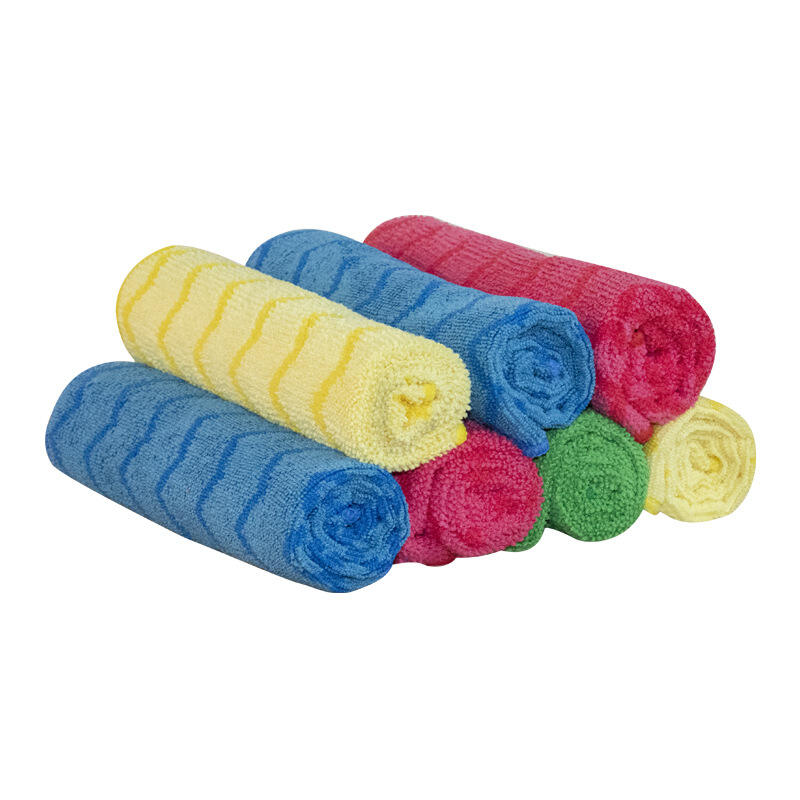

The environmental profile of microfiber mops is compelling when evaluated over their entire lifecycle. The most significant benefit is the drastic reduction in water and chemical consumption. Because microfiber cleans effectively with primarily water or diluted solutions, chemical use can be reduced by over 90% compared to traditional methods. This minimizes the release of potentially harmful substances into waterways and reduces the chemical load in the indoor environment. The reusability of microfiber pads, often enduring for more than 500 launders, prevents tons of disposable mop heads and rags from entering landfills annually. While concerns exist about microplastic shedding, this is largely mitigated by high quality construction, proper laundering (which captures fibers in the washing machine's filter), and the advent of advanced filtration systems in industrial laundry facilities. Furthermore, the long service life of the mop pads means fewer raw materials are consumed over time for replacement products. For organizations pursuing LEED certification or other green building standards, implementing a systematic microfiber cleaning program is a recognized and impactful strategy for earning credits related to indoor environmental quality and sustainable purchasing.