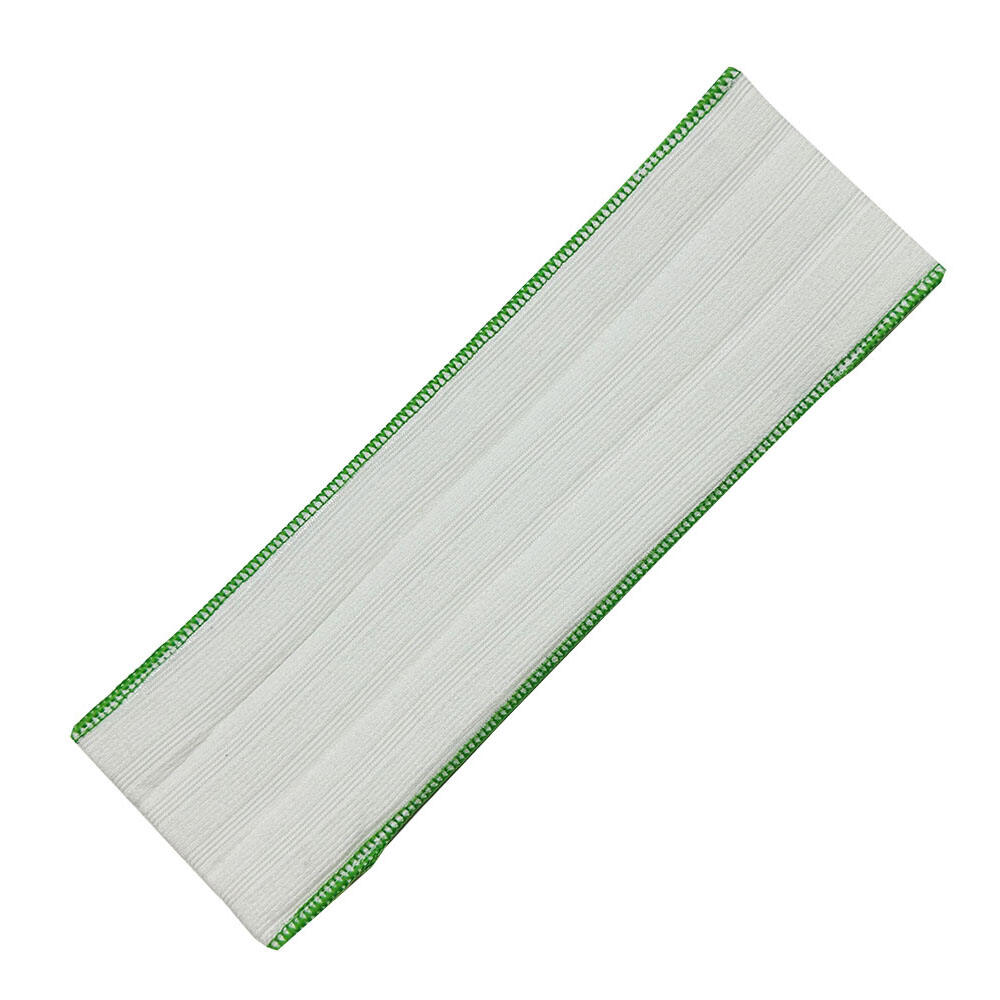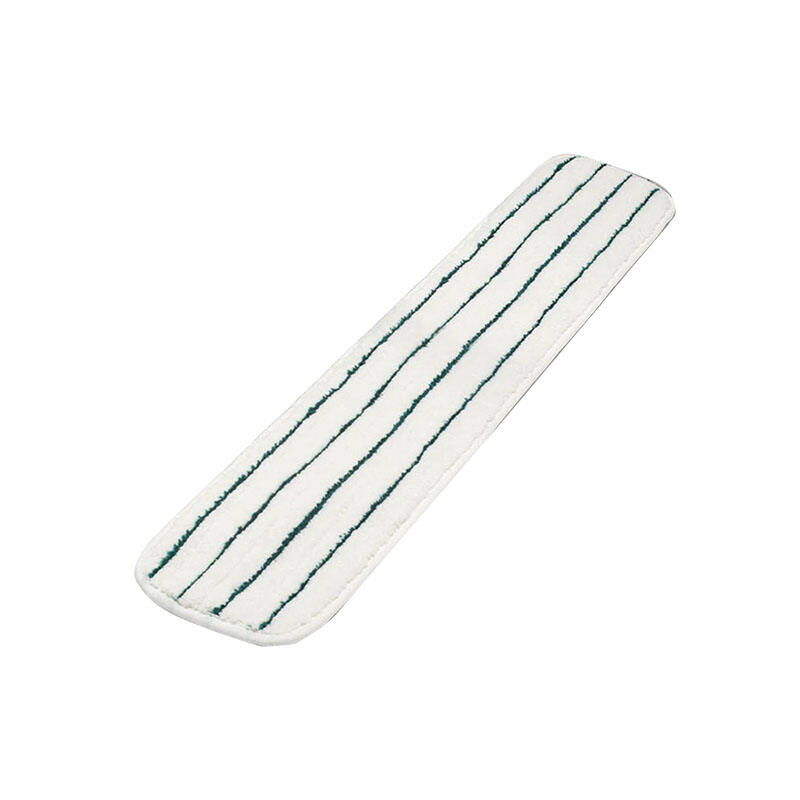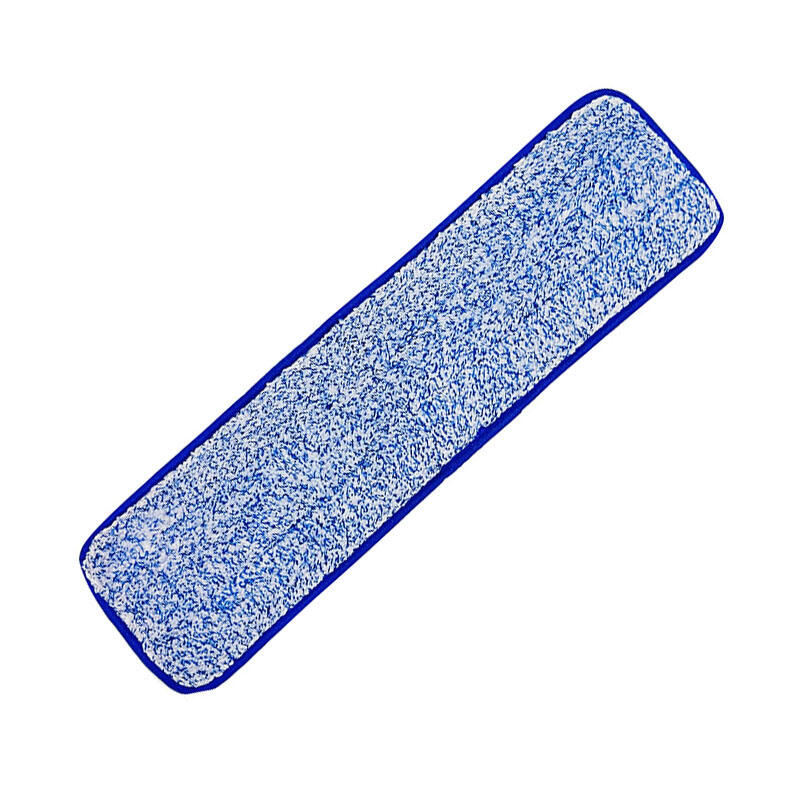
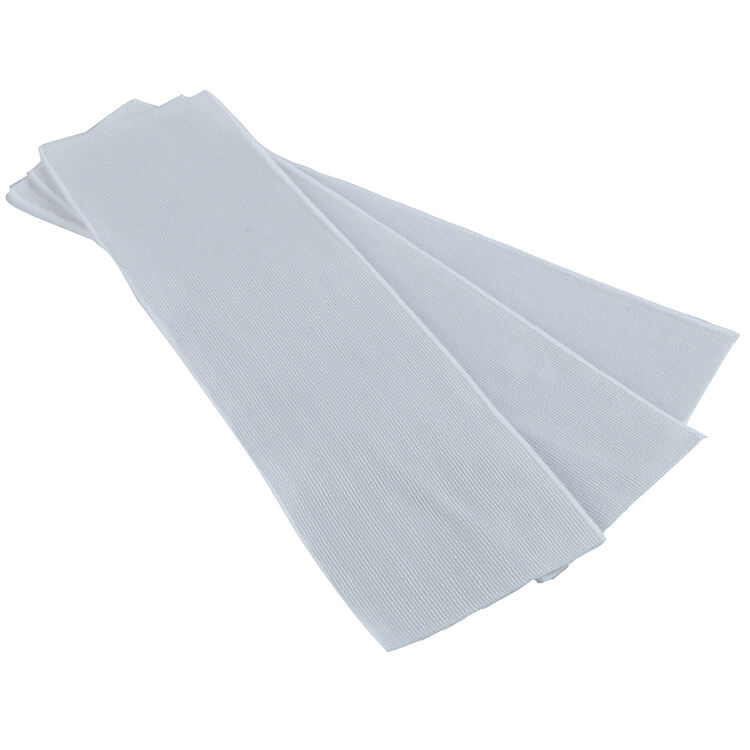
The science behind microfiber mops is rooted in their electrostatic and capillary properties. The positively charged split fibers act like magnets, aggressively attracting negatively charged dust and allergens. This electrostatic attraction ensures that particulate matter is lifted from the surface and trapped within the dense fiber web, rather than being redistributed into the air. This makes them indispensable for detailed cleaning in controlled environments like laboratories, electronics manufacturing cleanrooms, and food processing plants, where even microscopic contaminants can cause significant issues. The application method is also crucial; using a figure eight motion rather than a traditional circular swiping action maximizes the contact between the fibers and the floor, ensuring every inch is thoroughly cleaned. For disinfecting, a slightly damp microfiber mop used with an EPA registered disinfectant is far more effective at removing and killing microbes than a cotton string mop, which can often re contaminate surfaces. Case studies in the hospitality industry have shown a marked improvement in guest satisfaction scores related to room cleanliness after switching to a color coded microfiber mopping system, which also helps prevent cross contamination between different areas of a hotel. The ergonomic design of modern microfiber mop frames, featuring lightweight materials and swivel heads, reduces operator fatigue and increases productivity.