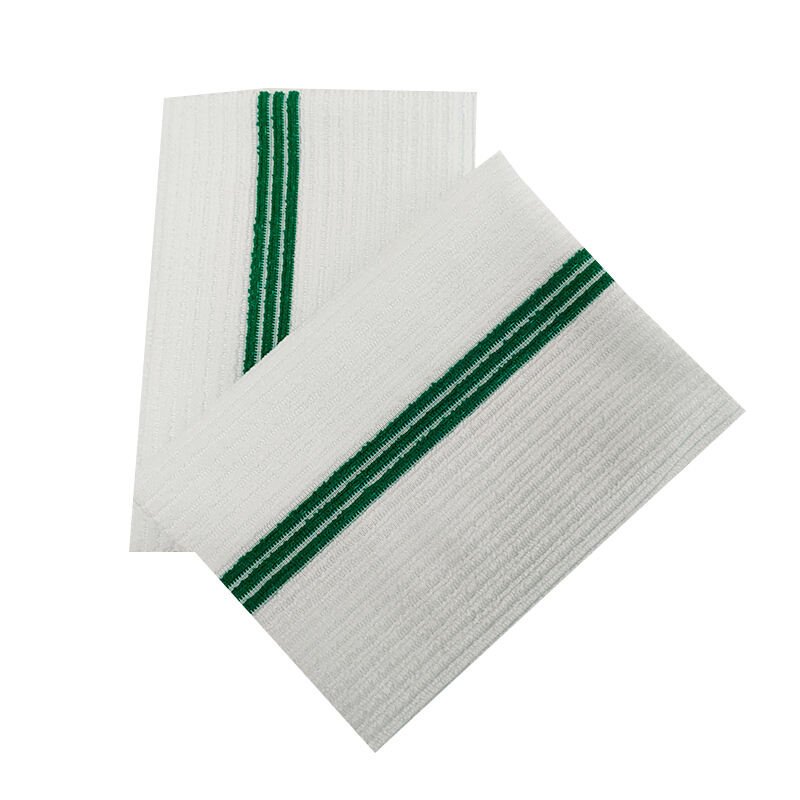
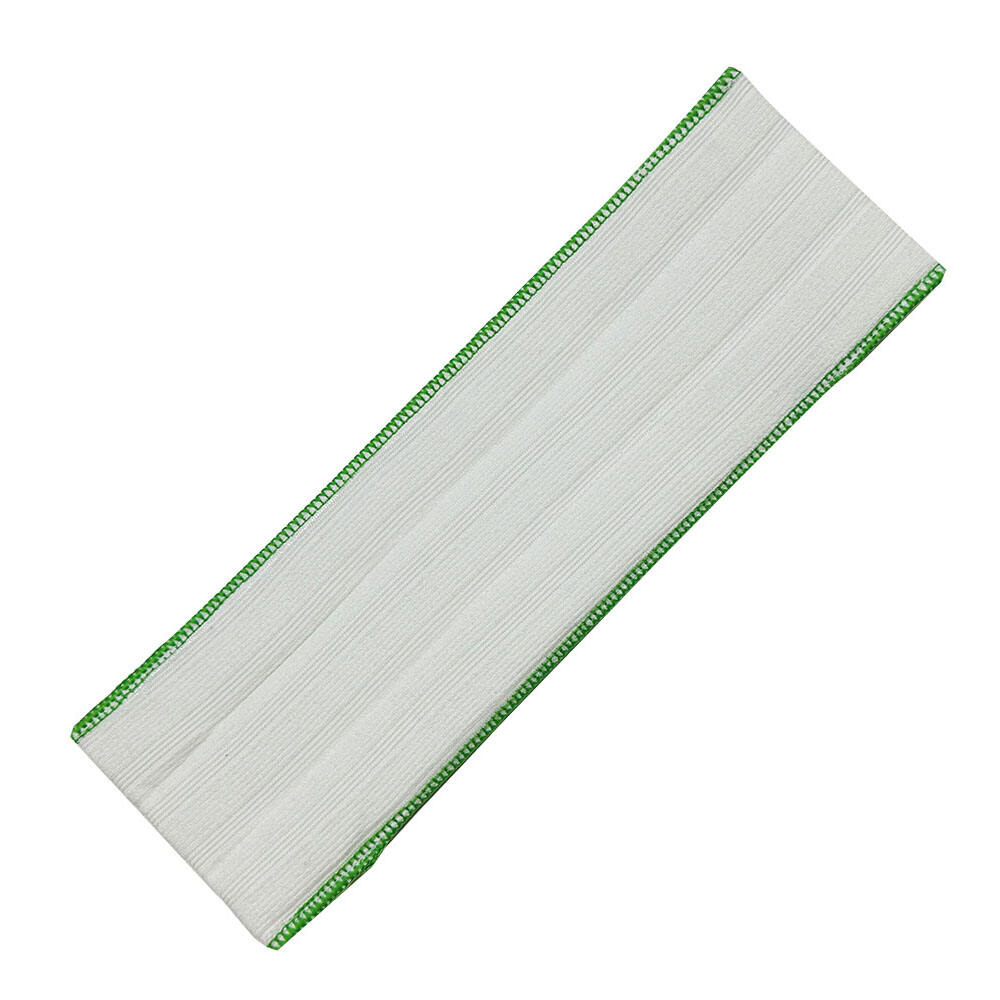
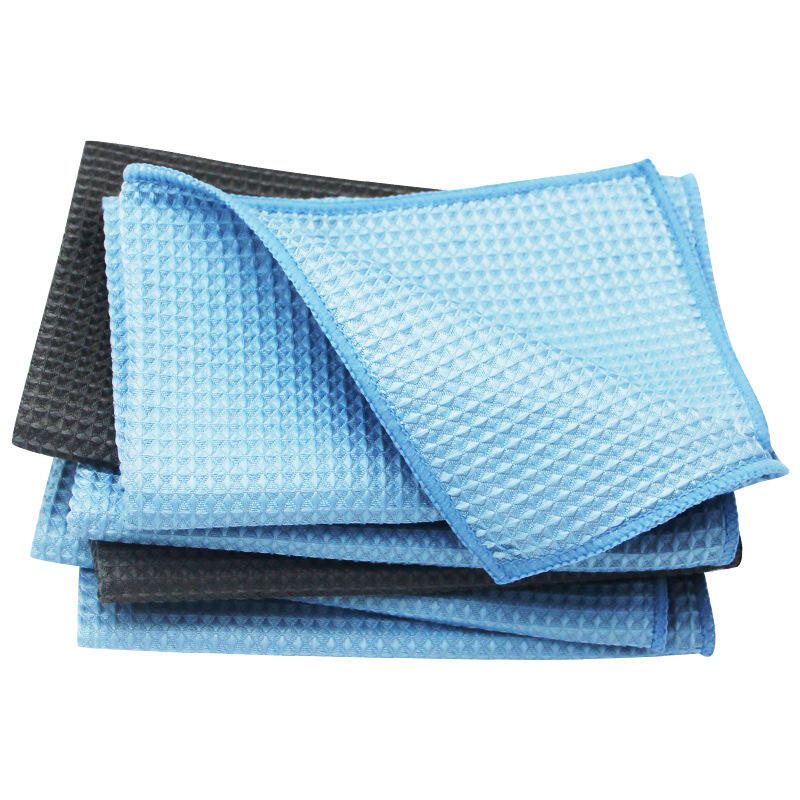
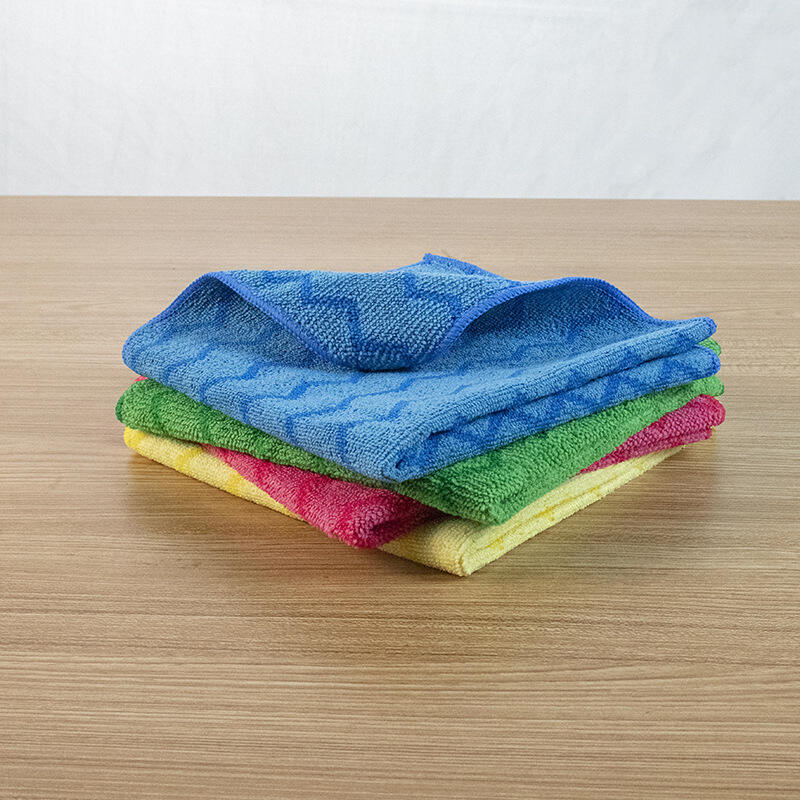
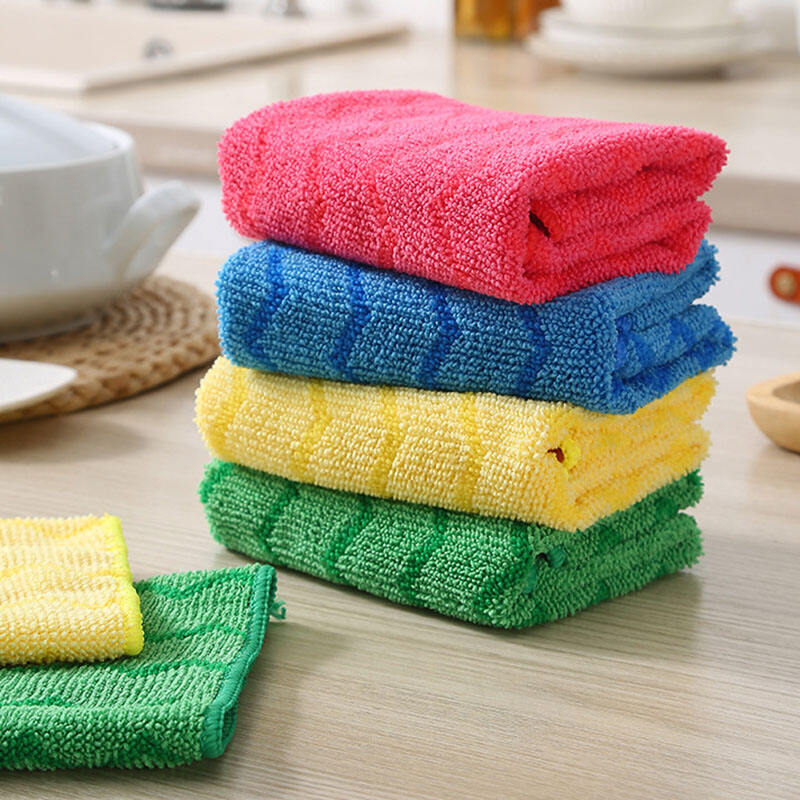
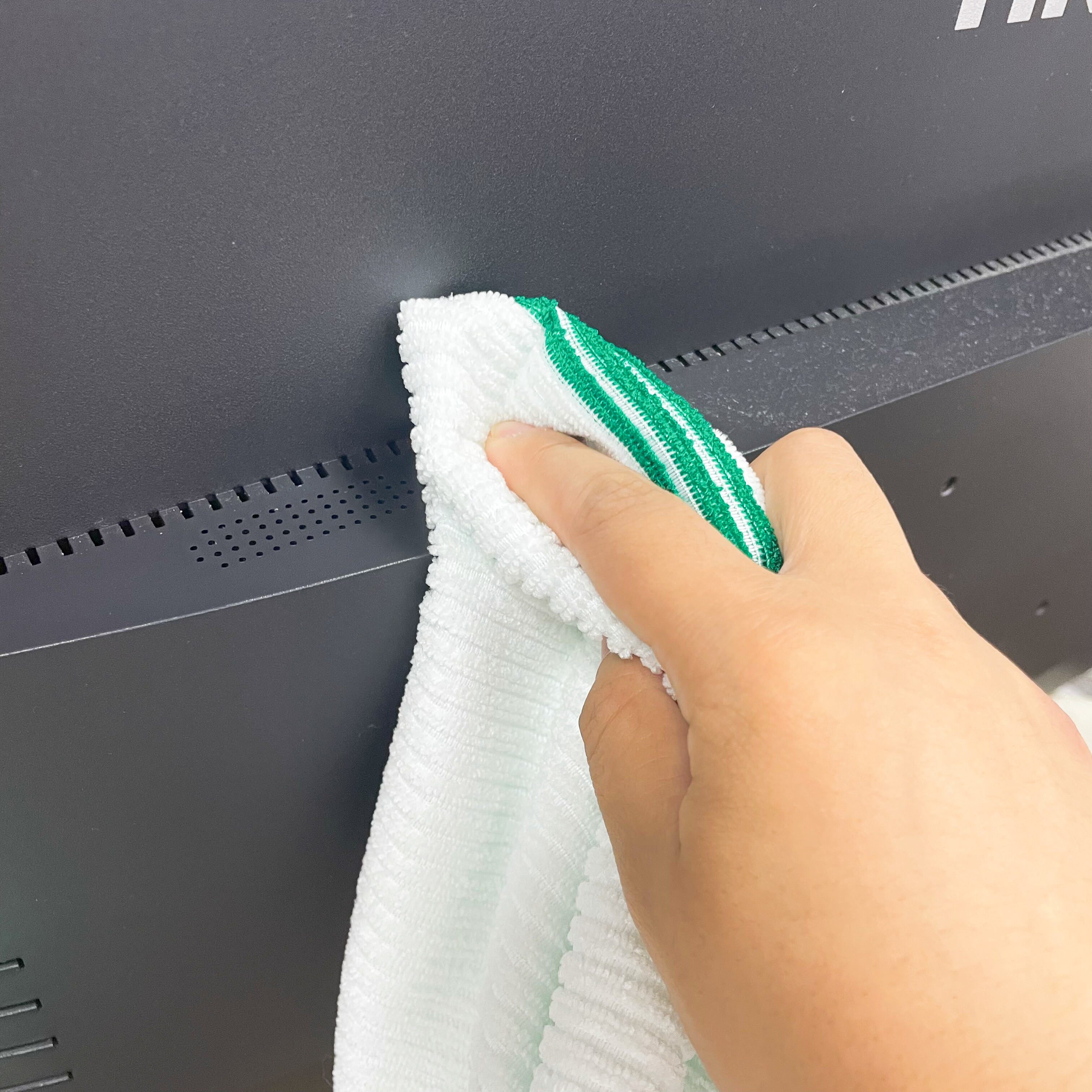
In the nuanced world of tea service, every element contributes to the overall experience, from the temperature of the water to the ambiance of the setting. Among these, the humble tea towel holds a position of critical practical and symbolic importance. Far more than a simple piece of fabric, a well-designed tea towel is a specialized tool that bridges functional hygiene and ceremonial care. At its core, the primary function is moisture management. During tea preparation and serving, water spills, condensation forms on pots, and rinsed utensils need drying. A standard cotton towel often redistributes moisture or leaves lint on glass and polished surfaces. This is where advanced textile engineering, such as that employed by Zhejiang Esun Environmental Technology Co., Ltd., makes a definitive difference. Microfiber tea towels are constructed from ultrafine strands of polyester and polyamide that are split during production. This splitting creates a vast network of microscopic channels within the fabric, enabling capillary action that pulls liquid away from surfaces rapidly and efficiently. The result is a dry surface without the streaking or water spotting that can mar the presentation of clear glass teapots or delicate ceramic cups.
The material choice extends beyond absorbency to impact hygiene and durability—key concerns for commercial settings. In a busy café or hotel dining room, tea towels are in constant use. Natural fibers like cotton can retain moisture, becoming damp breeding grounds for microbes and developing odors over time. High-quality microfiber, due to its synthetic composition and faster drying nature, resists this saturation, promoting a more sanitary environment between washes. Furthermore, durability is a significant economic factor. Towels constructed with high-tenacity fibers and finished with bound edges withstand repeated industrial laundering—high-temperature washes and chemical detergents—without fraying, pilling, or significant degradation in performance. This longevity ensures a consistent feel and function, reducing replacement frequency and long-term operational costs for businesses.
Culturally and aesthetically, the tea towel carries weight. In formal tea traditions, a clean, dedicated cloth is a non-negotiable element, symbolizing purity and attention to detail. It is kept within the server's reach, used exclusively for wiping vessels and hands related to the tea, ensuring no cross-contamination from other kitchen tasks. This practice elevates it from a mere utility item to an instrument of the ritual. For modern businesses, this translates to brand perception. A pristine, absorbent towel that allows staff to promptly and neatly address spills reflects professionalism and care for the customer experience. The aesthetic of the towel itself also offers branding opportunities. Through techniques like durable thermal-transfer printing, establishments can imprint towels with subtle logos, patterns, or motifs that complement their décor, turning a functional tool into a cohesive part of the brand narrative.
Ultimately, selecting the right tea towel is an investment in service quality. It involves considering the specific use-case: a soft, lint-free weave for final polishing, a more absorbent pile for drying, or a versatile weight for general counter maintenance. For the specialty tea shop, it ensures each cup is presented perfectly. For the high-volume restaurant, it supports efficiency and hygiene behind the scenes. By understanding the interplay of material science, practical application, and cultural significance, businesses can choose a tool that not only performs a task but enhances the entire service standard. We encourage you to contact our team to discuss your specific needs. We can provide samples and expertise to help you select or customize the ideal tea towel solution that meets the functional demands and aesthetic standards of your operation.
 EN
EN