 EN
EN

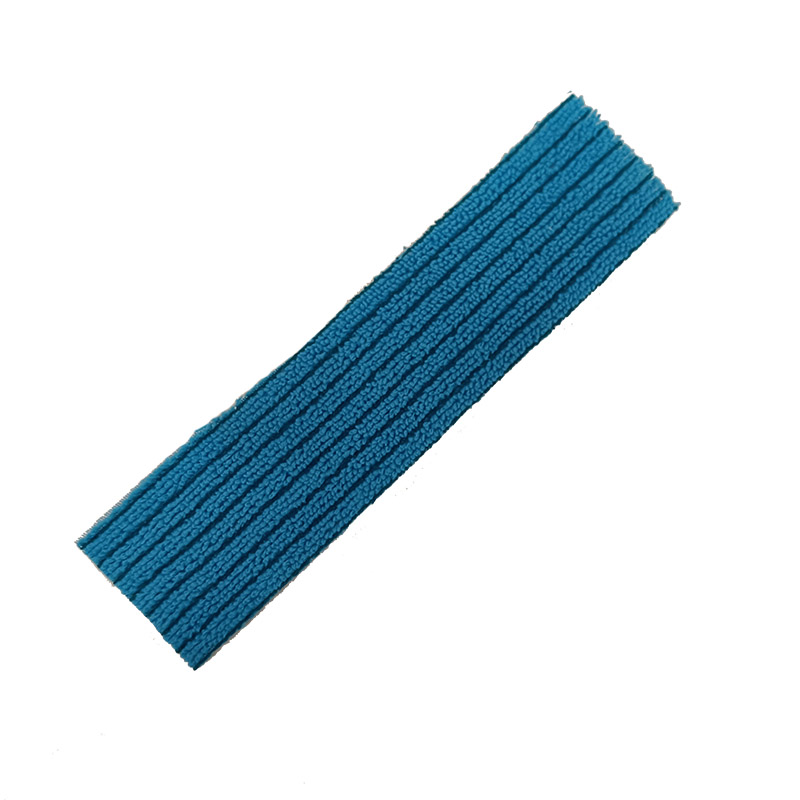
Microfiber Floor Dust Mop vs. Traditional Options
A facility manager at a large office building watched his cleaning team push traditional dust mops across the lobby floor. The mops picked up visible dust but left a fine layer behind—visible when the afternoon sun streamed through the windows. The team used the same dust mop across the entire building, transferring dust and debris from one area to another.
The manager switched to a microfiber floor dust mop. The difference was immediately visible: the floors were cleaner, the air was clearer, and the cleaning team spent less time re-cleaning areas. The microfiber floor dust mop did what traditional dust mops could not—it captured dust, dirt, and over 99% of bacteria instead of pushing them around.
How Traditional Dust Mops Work – And Why They Fall Short
Traditional dust mops—often made from cotton or synthetic yarn—rely on mechanical action to move dust across the floor. The mop fibers push dust particles ahead of the mop, where they are either picked up by a dustpan or left to settle back onto the floor.
This approach has several problems. First, it does not actually remove dust—it relocates it. Second, the same mop head is used across multiple areas, transferring dust and contaminants from one zone to another. Third, traditional dust mops require frequent shaking or beating to release trapped dust, which releases particles back into the air.
Traditional dust mops also struggle with fine particles. The larger fibers cannot trap microscopic dust, allergens, or bacteria. These particles remain on the floor or become airborne, where they can be inhaled or settle on other surfaces.
The Microfiber Advantage – Electrostatic Attraction and Trapping
A microfiber floor dust mop works on a fundamentally different principle. The split microfiber fibers create millions of microscopic hooks and channels. These structures do two things that traditional mops cannot.
First, they create electrostatic attraction. The split fibers generate a static charge that pulls dust and dirt toward the mop. This electrostatic effect captures particles that traditional mops would leave behind—including fine dust, allergens, and microscopic debris.
Second, the micro-hooks trap and hold captured particles within the fiber structure. Dust is not pushed around—it is lifted and locked into the mop. This means the mop actually removes dust from the environment rather than relocating it.
The trapping ability extends to bacteria and other microorganisms. A microfiber floor dust mop captures over 99% of bacteria instead of pushing them around. For facilities concerned with hygiene, this is a significant advantage.
Water and Chemical Reduction
One of the most significant advantages of a microfiber floor dust mop is the reduction in water and chemical usage. A microfiber mop uses 80% to 90% less water and chemical solution than a cotton string mop for an equivalent floor area.
The split-fiber structure of the microfiber captures particles with less liquid volume. The fibers physically lift and trap soil, requiring less water to suspend and remove contaminants. For facilities looking to reduce chemical usage and environmental impact, this is a substantial benefit.
The reduced water usage also means faster drying times. Floors dry more quickly, reducing slip hazards and allowing areas to be returned to service sooner. This is particularly valuable in commercial and healthcare settings where floor access is time-sensitive.
Surface Protection – Safe for Hardwood and Delicate Floors
A microfiber floor dust mop is gentle on surfaces. The soft, split fibers do not scratch or damage floor finishes. This makes microfiber dust mops safe for hardwood floors, laminate, tile, and other delicate surfaces.
Traditional dust mops can be abrasive, especially when they pick up grit and drag it across the floor. The trapped particles in a traditional mop become embedded in the fibers and act like sandpaper on the floor surface.
Microfiber dust mops, by contrast, trap particles within the fibers, keeping them away from the floor surface. The mop glides smoothly across the floor, removing dust without scratching.
Cost and Maintenance Comparison
The cost comparison between microfiber floor dust mops and traditional options depends on the specific products and usage patterns.
Traditional dust mops have lower upfront costs but require frequent replacement as fibers wear and become matted. They also require shaking or beating to release trapped dust, which releases particles into the air and reduces the effective life of the mop.
Microfiber floor dust mops have higher upfront costs but last longer with proper care. They can be washed and reused, maintaining their electrostatic and trapping properties through many cycles. The reduced water and chemical usage also lowers ongoing operating costs.
For facilities with large floor areas, the labor savings from more effective dust removal—fewer re-cleaning passes—often offsets the higher initial cost of the microfiber floor dust mop.
A Real-World Example: The Office Building That Improved Air Quality
A large office building with 15,000 square meters of floor space was using traditional dust mops for daily cleaning. The building had persistent complaints about dust and allergens, and the cleaning team was spending excessive time on re-cleaning.
The facility manager switched to microfiber floor dust mops from Esun. The electrostatic attraction of the microfiber mops captured fine dust that traditional mops left behind. The trapping ability prevented dust from becoming airborne during cleaning. The cleaning team reported that the microfiber mops required less effort and delivered visibly better results.
Within three months, dust complaints dropped by 70%. The cleaning team reduced re-cleaning passes by 40%, saving labor hours. The building's indoor air quality improved, and the facility manager calculated that the microfiber floor dust mops paid for themselves within six months through labor savings alone.
Frequently Asked Questions
What is a microfiber floor dust mop?
A microfiber floor dust mop uses split microfiber fibers that create electrostatic attraction and microscopic hooks to lift and trap dust, dirt, and bacteria. It removes dust rather than pushing it around, and captures over 99% of bacteria.
How does a microfiber dust mop differ from a traditional dust mop?
Traditional dust mops push dust across the floor, relocating it without removing it. Microfiber dust mops use electrostatic attraction and trapping to lift and lock dust within the fibers, actually removing it from the environment.
Is a microfiber floor dust mop safe for hardwood floors?
Yes. Microfiber floor dust mops are gentle on hardwood and other delicate surfaces. They do not scratch or damage floor finishes. The soft, split fibers glide smoothly across the floor while trapping dust and dirt.
How much water does a microfiber dust mop save?
A microfiber dust mop uses 80% to 90% less water and chemical solution than a cotton string mop for an equivalent floor area. The split-fiber structure captures particles with less liquid volume.
How long does a microfiber floor dust mop last?
With proper care, a microfiber floor dust mop can last through many wash cycles. The fibers maintain their electrostatic and trapping properties with proper maintenance. Replace when fibers become matted or worn.
Can a microfiber floor dust mop be used for both dusting and wet mopping?
Yes. Microfiber floor dust mops can be used for dry dusting and damp mopping. For wet mopping, use a damp (not soaking wet) mop. The same mop head can be used for both tasks with proper cleaning between uses.
Table of Contents
-
Microfiber Floor Dust Mop vs. Traditional Options
- How Traditional Dust Mops Work – And Why They Fall Short
- The Microfiber Advantage – Electrostatic Attraction and Trapping
- Water and Chemical Reduction
- Surface Protection – Safe for Hardwood and Delicate Floors
- Cost and Maintenance Comparison
- A Real-World Example: The Office Building That Improved Air Quality
- Frequently Asked Questions