 EN
EN

Reinraum-Mopp-Lösungen werden kritisch, da die FDA die Standards für Kontaminationskontrolle verschärft
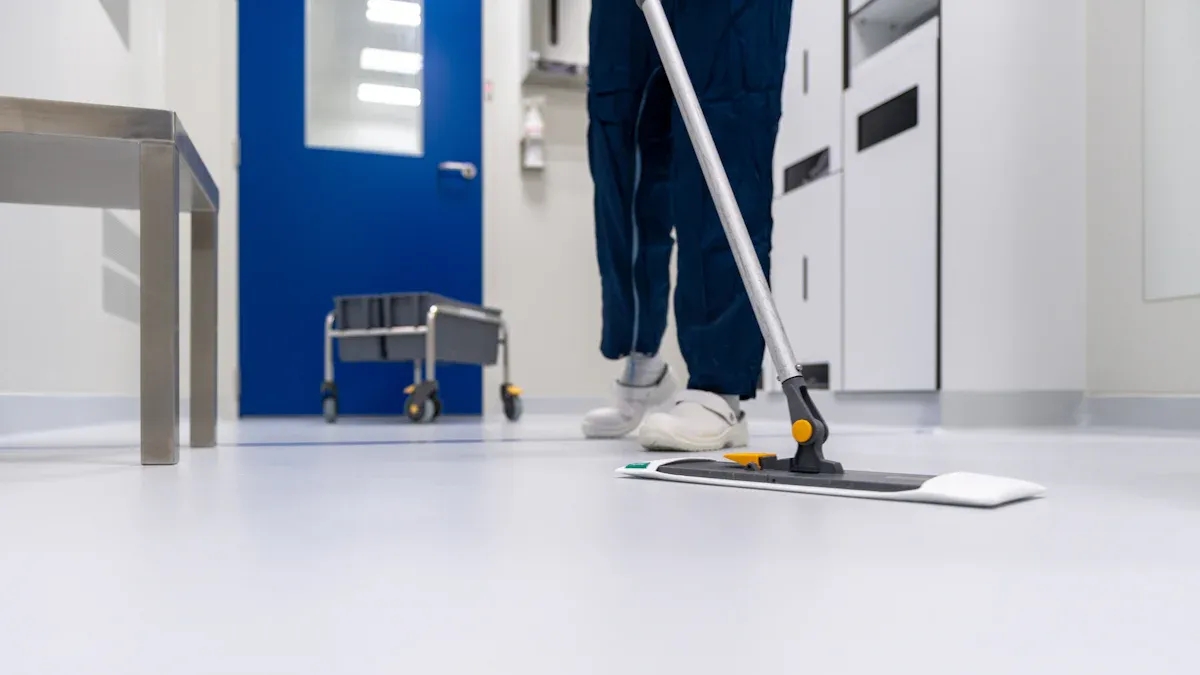
In den letzten Jahren sterile Produktionsumgebungen in Branchen wie Pharmazie, Biotechnologie, Gesundheitswesen und Elektronik waren verstärkten regulatorischen Prüfungen ausgesetzt. Angesichts steigender Kontaminationsrisiken und strengerer Durchsetzung durch Behörden wie die US-amerikanische Food and Drug Administration (FDA) setzen Unternehmen zunehmend auf fortschrittliche reinraum-Mopp-Lösungen zur Aufrechterhaltung der Compliance und Sicherstellung der Produktsicherheit.
Jüngste FDA-Mahnbriefe haben gravierende Mängel bei kontaminationskontrolle — eindeutig unterstrichen, was den dringenden Bedarf an verbesserten Reinigungsprotokollen und validierten Hygienesystemen verdeutlicht. Als Ergebnis reinraum-Moppes — einst als grundlegende Werkzeuge angesehen — werden heute als wesentliche Komponenten in Strategien zur Kontaminationsverhütung anerkannt.
Steigende Nachfrage nach fortschrittlichen Reinraum-Mopp-Systemen
Reinraum-Umgebungen erfordern eine präzise Kontaminationkontrolle, um Standards wie ISO 14644 und EU-GMP-Anhang 1 zu erfüllen. Von pharmazeutischen Produktionslinien bis hin zu Halbleiterfertigungsanlagen kann bereits die geringste Partikelkontamination zu kostspieligen Produkt-Rückrufen oder behördlichen Sanktionen führen.
Um diese Herausforderungen zu bewältigen, setzen Hersteller zunehmend auf fortschrittliche reinraum-Mopp-Lösungen , einschließlich:
- Einweg-Reinraum-Mopps für Anwendungen mit einmaligem Gebrauch und verringern so das Risiko einer Kreuzkontamination
- Wiederverwendbare Reinraum-Mopps die für langfristige Kosteneffizienz und Nachhaltigkeit konzipiert sind
- Microfaser-Reinraum-Mopps die sich durch eine überlegene Partikel- und Mikrobenbindung auszeichnen
Dabei haben microfaser-Reinraum-Mopps heben sich hervor. Studien zeigen, dass Microfaser-Mopps mithilfe von reinem Wasser bis zu 98 % der Bakterien entfernen können und damit herkömmliche Reinigungswerkzeuge deutlich übertreffen.
Einmalig vs. wiederverwendbar: Die richtige Lösung wählen
Auswahl der richtigen reinraum-Mopp-System hängt von den betrieblichen Anforderungen, der Reinraum-Klassifizierung und den Kostenaspekten ab.
Einweg-Reinraum-Mopps werden in kritischen Umgebungen aufgrund ihrer Benutzerfreundlichkeit und des geringeren Kontaminationsrisikos weit verbreitet eingesetzt. Sie eliminieren die Notwendigkeit für Wasch- und Validierungsprozesse und sind daher ideal für Hochrisiko- oder schnelllebige Betriebsabläufe.
Jedoch wiederverwendbare Reinraum-Mopps gewinnen in Einrichtungen mit hohem Volumen zunehmend an Beliebtheit. Obwohl sie eine anfängliche Investition sowie eine strenge Validierung der Wäscheprozesse erfordern, bieten sie langfristige Kosteneinsparungen und eine geringere Umweltbelastung. In ISO-klassifizierten Umgebungen mit kontinuierlichem Betrieb werden wiederverwendbare Systeme im Zeitverlauf häufig wirtschaftlicher.
Materialinnovation treibt die Leistungsfähigkeit von Reinraum-Mopps voran
Moderne reinraum-Moppes werden mit fortschrittlichen Materialien entwickelt, um die Leistung zu verbessern und Kontaminationen zu minimieren. Häufig verwendete Materialien umfassen:
- Gestrickter Polyester für geringe Fusselbildung und hohe Langlebigkeit
- Micropolyster-Mikrofaser für hohe Absorptionsfähigkeit und Partikelbindung
- Vliesstoffe für Einmal-Anwendungen bei kontaminationsanfälligen Prozessen
Diese Materialien sind so konzipiert, dass sie die Abgabe von Partikeln reduzieren und einer Exposition gegenüber Desinfektionsmitteln wie Isopropylalkohol (IPA), Wasserstoffperoxid und Bleichmittel standhalten.
Kompatibilität mit Desinfektionsprotokollen
Die chemische Verträglichkeit ist ein entscheidender Faktor bei reinraum-Reinigungsprotokollen . Unterschiedliche Desinfektionsmittel erfordern spezifische reinraum-Mopp-Materialien um Haltbarkeit und Wirksamkeit sicherzustellen.
Zum Beispiel:
- Polyester-Mopps weisen eine gute Leistung bei Reinigungsschritten mit Peroxid-basierten Mitteln auf
- Polypropylen-Vlies-Mopps bieten eine hohe Beständigkeit gegenüber Bleichmittel, sind jedoch in der Regel für den Einmalgebrauch bestimmt
- Mikrofaser-Mopps sind äußerst effektiv, können aber bei Reinigungsprotokollen mit hochkonzentriertem Bleichmittel abbauen
Die Auswahl der richtigen Kombination aus reinraum-Mopp-System und Desinfektionsmittel gewährleistet sowohl Reinigungseffizienz als auch eine lange Lebensdauer der Geräte.
Best Practices zur Kontaminationskontrolle
Experten empfehlen die Implementierung standardisierter reinraum-Reinigungsverfahren um die Effektivität zu maximieren:
- Reinigen Sie von oben nach unten, um eine erneute Kontamination zu vermeiden
- Wenden Sie zunächst Trockenwischen und anschließend Nasswischen an
- Erstellen Sie tägliche und wöchentliche Reinigungspläne
- Verwenden Sie HEPA-gefilterte Staubsaugersysteme für Wände und Oberflächen
Darüber hinaus empfiehlt es sich, eine drei-Eimer-Reinigungssystem reduziert die Kontaminationsrisiken erheblich, indem saubere Lösung, Spülwasser und Abwasser getrennt werden.
Bedeutung von Mitarbeiterschulung und Wartung
Selbst die fortschrittlichste reinraum-Mopp-Systeme erfordern eine sachgemäße Handhabung. Die Schulung des Personals in reinraum-Protokollen , Gerätebedienung und Kontaminationskontrolle ist unerlässlich.
Einrichtungen sollten zudem strenge Wartungsverfahren einführen, darunter:
- Regelmäßige Desinfektion mit Reinraum-tauglichen Desinfektionsmitteln
- Fachgerechtes Trocknen und Aufbewahren in kontaminationsfreien Bereichen
- Routineinspektion auf Verschleiß, Verlust der Saugfähigkeit und Faserdegradation
Typischerweise, reinraum-Moppes sollte alle 18 bis 24 Monate ausgetauscht werden, abhängig von der Nutzungshäufigkeit und den Sterilisationszyklen.
Branchenausblick: Reinraumreinigung als Compliance-Priorität
Da sich die globalen Vorschriften kontinuierlich weiterentwickeln, kontaminationskontrolle wird dies zu einer Top-Priorität für Hersteller. Reinraum-Mopp-Lösungen sind nicht mehr optional – sie stellen eine entscheidende Investition in Compliance, Effizienz und Produktintegrität dar.
Unternehmen, die Hochleistungs- reinraum-Reinigungssysteme , validierte Verfahren und gut geschultes Personal einsetzen, werden besser positioniert sein, um regulatorische Anforderungen zu erfüllen und einen Wettbewerbsvorteil in stark regulierten Branchen zu bewahren.
Häufig gestellte Fragen
F1: Warum werden Mikrofaser-Reinigungsmopps für Reinräume bevorzugt?
Microfaser-Reinraum-Mopps können bis zu 98 % der Bakterien und Partikel entfernen und sind daher für sterile Umgebungen äußerst wirksam.
F2: Sind Einweg-Mopps besser als wiederverwendbare?
Das hängt von der jeweiligen Anwendung ab. Einweg-Reinraum-Mopps verringern das Kontaminationsrisiko, während wiederverwendbare Reinraum-Mopps für den Langzeiteinsatz kostengünstiger sind.
F3: Wie oft sollten Reinraum-Mopps ausgetauscht werden?
In der Regel alle 18–24 Monate, abhängig von der Nutzungshäufigkeit und reinraum-Reinigungsprotokollen .