 EN
EN

Finland Healthcare Supplier Advances Hospital Curtain Infection Control Standard
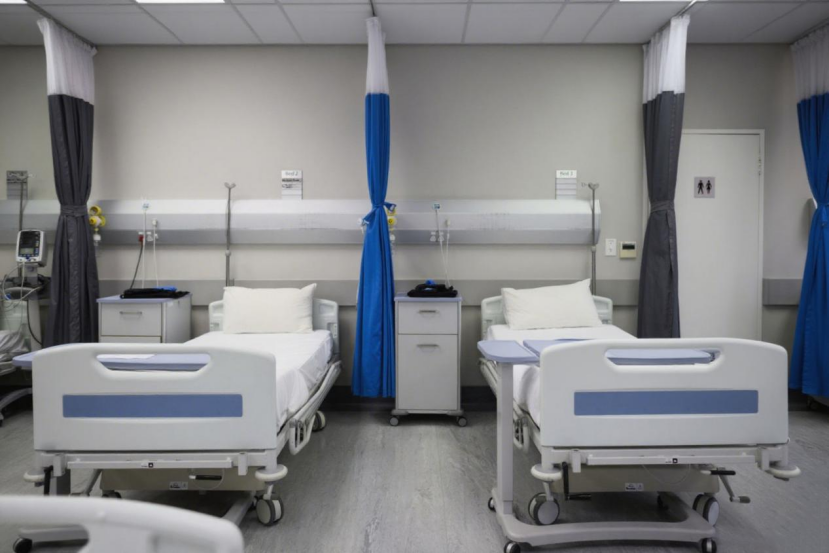
A leading medical supply distributor in Finland, serving hospitals and international export markets, has recently upgraded its infection prevention product line after identifying critical limitations in traditional antimicrobial medical curtain treatments.
Background: Hidden Infection Risks in Conventional Curtains
The distributor previously sourced medical curtains treated with a dry spray antimicrobial process. While widely used in the industry, this method only achieves 85%–90% surface coverage, leaving microscopic gaps untreated.
These untreated areas can become breeding grounds for bacteria, increasing the risk of cross-contamination in hospital environments. Clinical feedback from downstream hospital clients highlighted concerns that incomplete coverage could contribute to elevated nosocomial infection risks.
Technical Limitation Comparison
| Dimension | Dry Spray Process | Wet Impregnation Process |
| Coverage Rate | 85% – 90% | 98% – 100% |
| Fiber | Surface adhesion only | Deep fiber penetration |
| Dimension | Dry Spray Process | Wet Impregnation Process |
| Interaction | ||
| Microstructure | “Droplet-like” surface coating | Fully saturated fiber network |
| Infection Risk | Higher (potential cross-infection zones) | Very low (no dead zones) |
| Durability | Weak after repeated washing | Long-lasting, wash-resistant |
Solution: Full-Fiber Wet Impregnation Technology
To address these challenges, the supplier introduced a wet impregnation antimicrobial process, in which antimicrobial agents are fully embedded into every fiber strand of the curtain material.
Unlike surface-only treatments, this process ensures:
Complete penetration of antimicrobial agents into fiber cores
No untreated “blind spots” on the fabric surface
Strong molecular bonding between fibers and antimicrobial compounds
Sustained performance even after repeated hospital-grade laundering cycles
This creates a continuous antimicrobial barrier across the entire curtain surface, effectively blocking bacterial colonization and transmission pathways.
Clinical and Economic Impact
Hospital infection control teams emphasize that even a single case of hospital-acquired infection (HAI) can lead to significant financial burden.
Estimated cost per infection case: $15,000 – $30,000
For a 200-bed hospital: Annual infection-related losses: $450,000 – $900,000
By improving antimicrobial coverage from partial to full-fiber protection, hospitals can significantly reduce cross-infection risks while achieving measurable cost savings.
Industry Significance
This upgrade reflects a broader shift in the healthcare textile industry:
From “surface protection” → to “structural infection prevention”
Medical consumables are no longer evaluated only by compliance, but by their ability to actively reduce infection pathways at the material level.
Conclusion
The Finnish distributor’s adoption of full-fiber wet impregnation antimicrobial technology marks a significant advancement in hospital curtain safety standards. By eliminating coverage gaps and improving wash durability, the solution provides both clinical safety improvement and substantial long-term economic benefits for healthcare institutions.
FAQ
Q1: Why is dry spray antimicrobial treatment insufficient?
Because it only coats the surface, leaving untreated fiber gaps that can still harbor bacteria.
Q2: What makes wet impregnation more effective?
It allows antimicrobial agents to penetrate and bind with each fiber, ensuring full-surface protection.
Q3: Does the antimicrobial effect remain after washing?
Yes. The active agents are embedded within fibers, maintaining long-term performance even after repeated laundering.
Q4: How does this impact hospital costs?
By reducing infection incidents, hospitals can save hundreds of thousands of dollars annually depending on bed capacity.