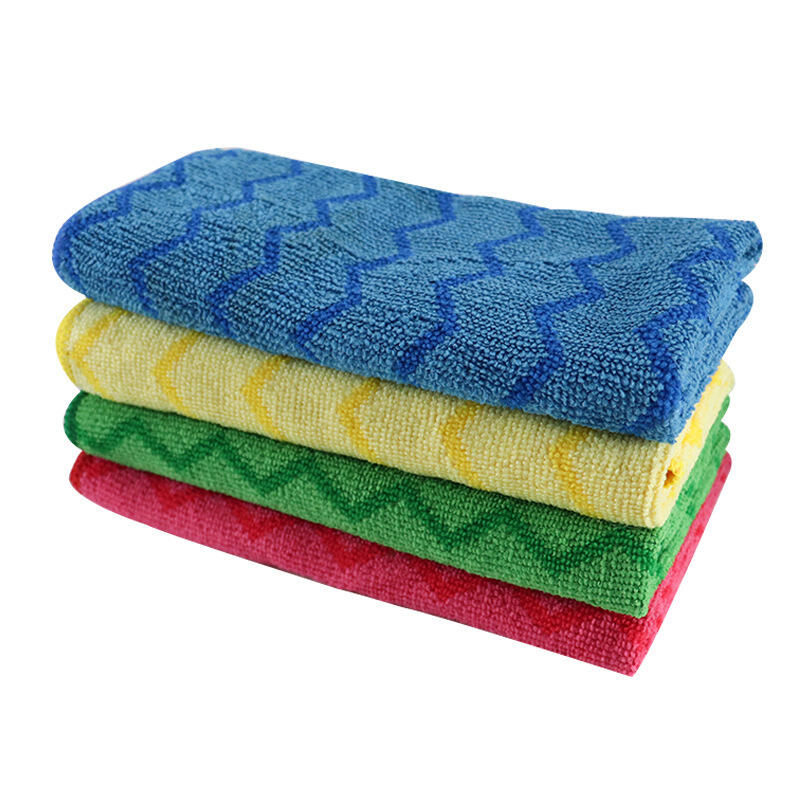
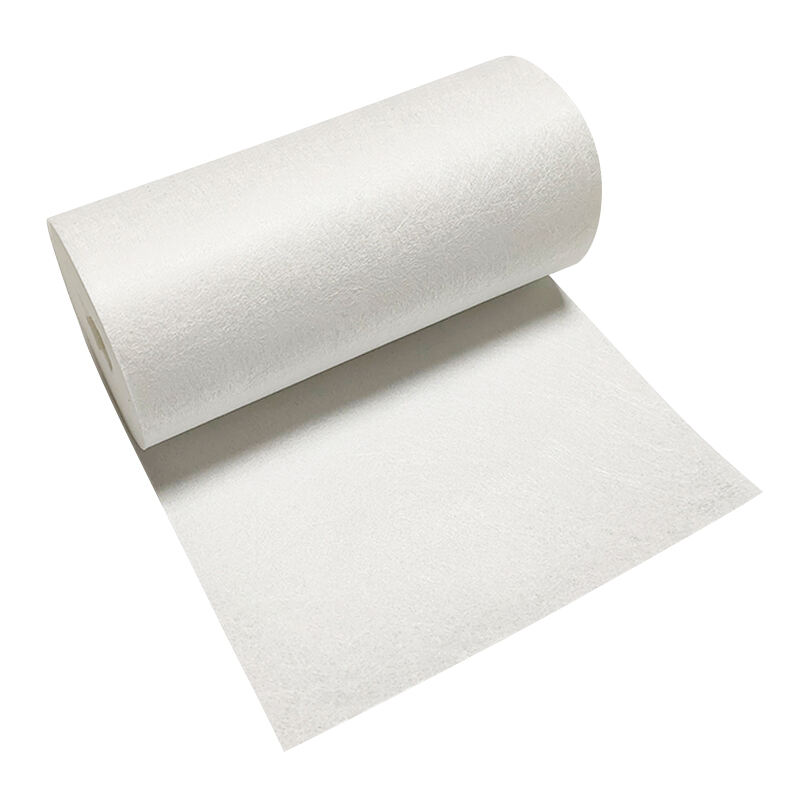
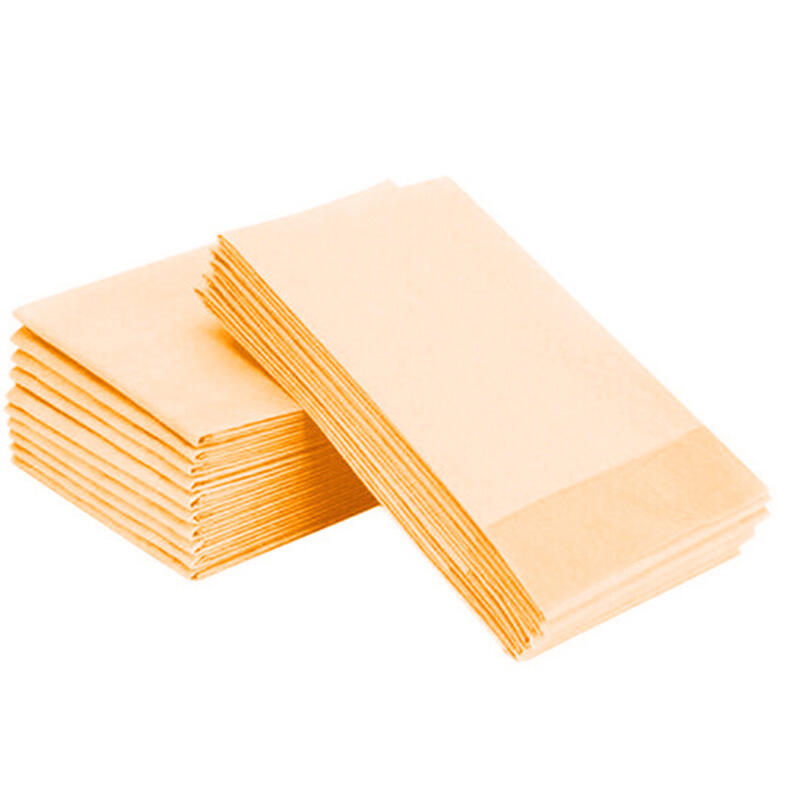
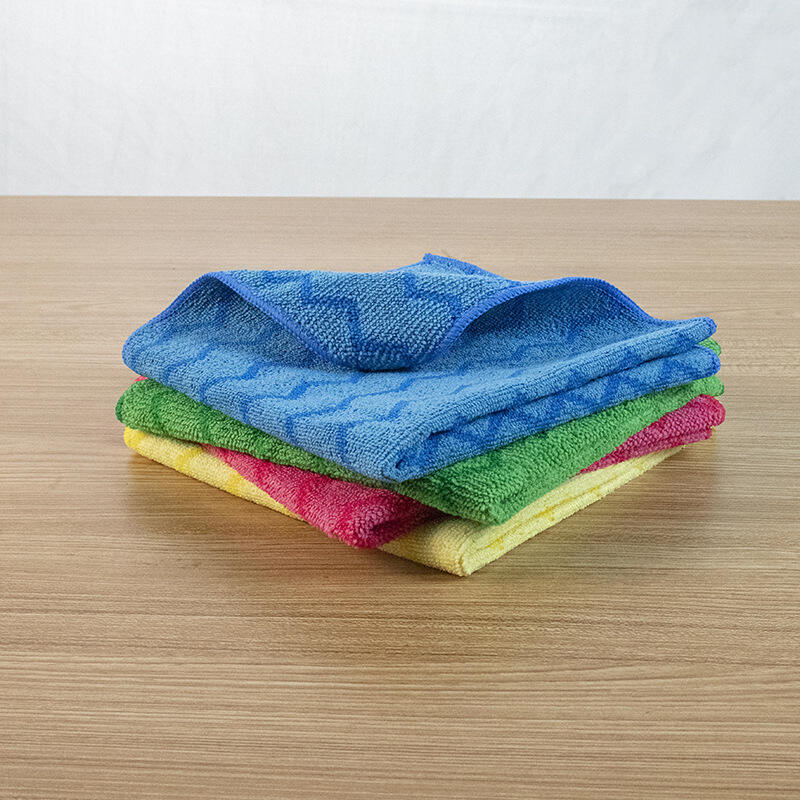
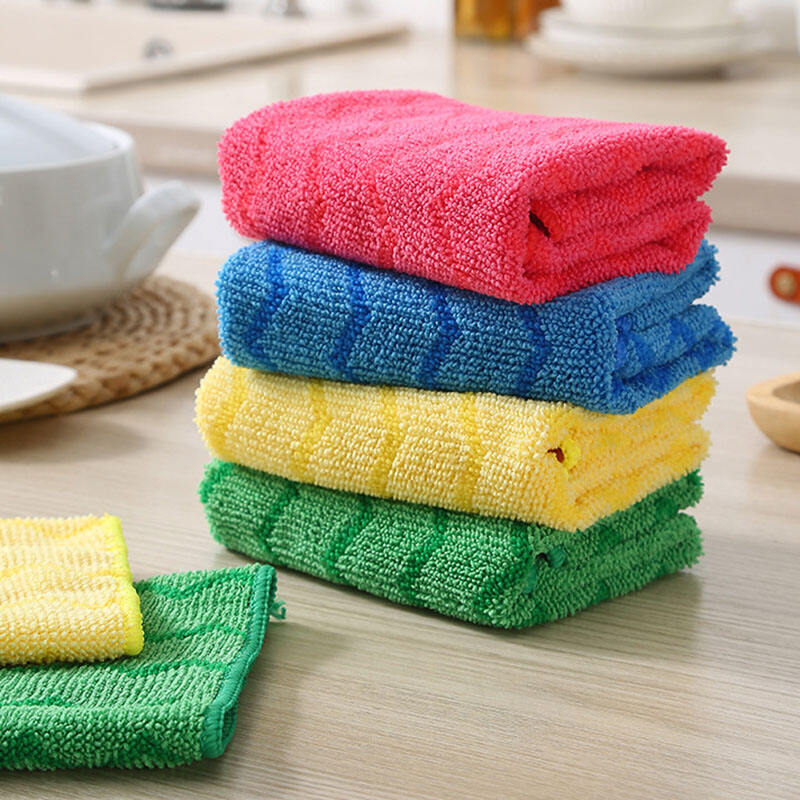
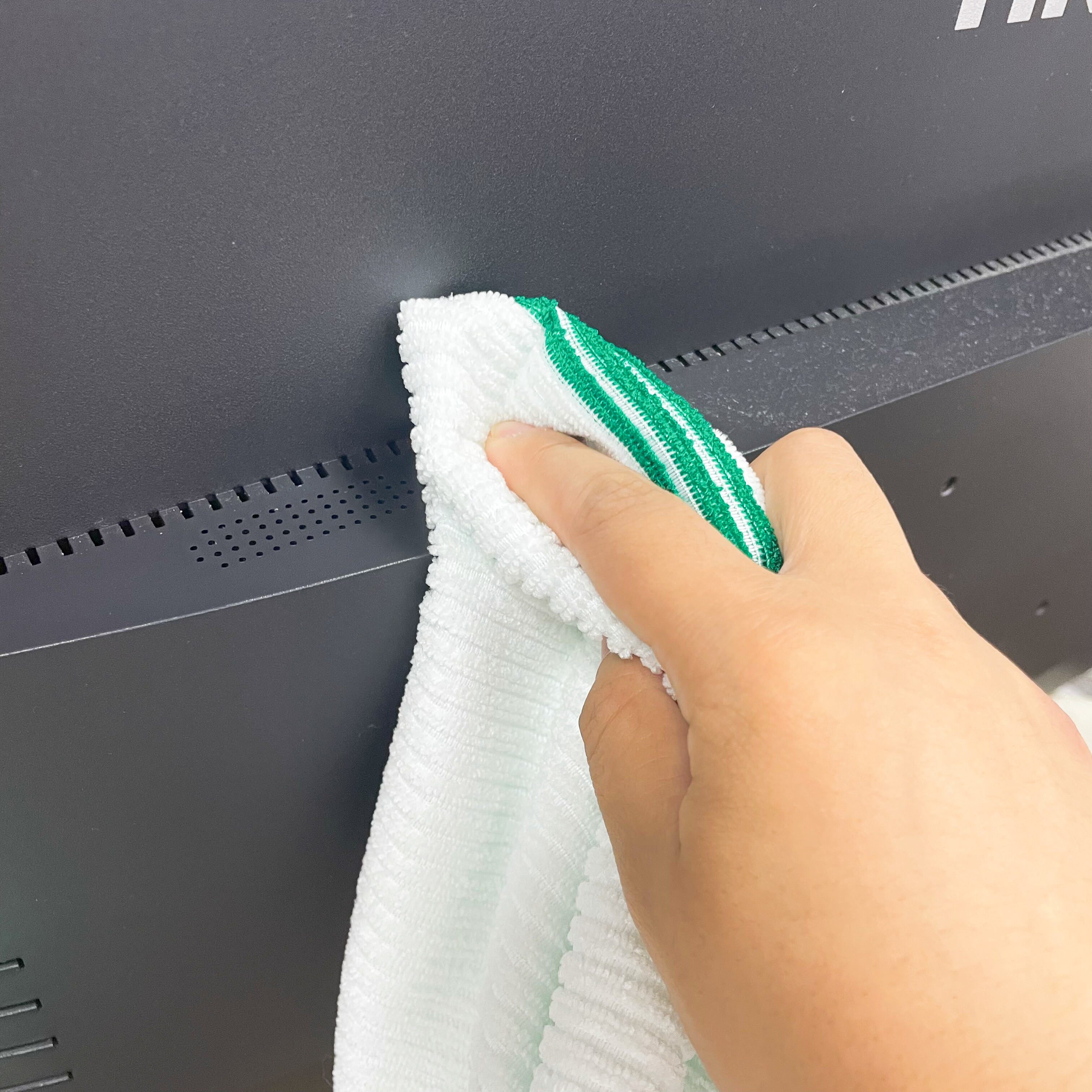
A tea towel occupies a unique position in domestic and commercial settings, serving as a primary interface between the user and nearly every aspect of kitchen hygiene and maintenance. Its functionality extends far beyond its name, encompassing drying, buffing, cleaning, insulating, and even decorative purposes. The efficacy of a tea towel is fundamentally determined by its material composition and structural design. At Zhejiang Esun Environmental Technology Co., Ltd., our development process for a tea towel begins with selecting the appropriate base fabric. For instance, a tea towel constructed from high-quality, split-microfiber leverages millions of ultra-fine filaments to create a massive surface area. This structure enables exceptional capillary action, allowing the towel to rapidly wick moisture away from surfaces like ceramic plates, glassware, and polished stone countertops without leaving lint or fibers behind. This makes it ideal for final-stage polishing where clarity and streak-free results are paramount.
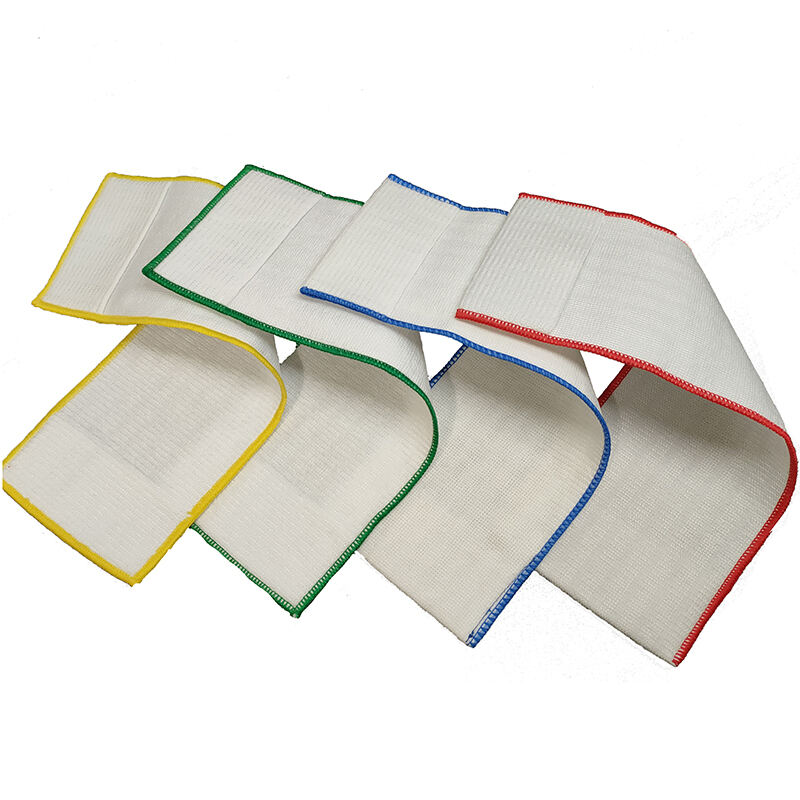
Alternatively, a tea towel woven from a cotton or cotton-blend yarn offers a different set of advantages. The natural fibers provide inherent softness and high absorbency, while a blended construction with polyester enhances the fabric's tensile strength and reduces drying time for the towel itself. The weave density—the number of threads per square inch—is a critical factor. A tighter weave increases durability and creates a smoother surface for polishing, while a slightly looser terry or looped weave can boost absorbency for tasks like drying large quantities of hand-washed dishes. The finishing of a tea towel, including hemming, is equally crucial. A securely stitched, reinforced hem prevents fraying during frequent use and rigorous laundering, a non-negotiable feature for commercial kitchens and a mark of quality for home products. This attention to detail ensures the towel remains a reliable tool over its entire lifespan.
The practical applications of a tea towel are vast and culturally nuanced. In a domestic kitchen, it is a daily companion: used to dry hands, cover rising bread dough, line a basket for serving bread, or cautiously remove a hot tray from the oven. In the context of tea or coffee service, a dedicated, clean tea towel is essential for wiping drips from a teapot spout, polishing a carafe to a shine, or drying the delicate interior of a porcelain cup. For professional environments like cafes, bakeries, and restaurants, the demands intensify. Here, a tea towel must withstand constant use, frequent laundering with industrial detergents, and exposure to heat and moisture. Its role expands to include swiftly cleaning espresso machine steam wands, wiping down pastry stations, and ensuring serving platters are impeccably presented. The right tea towel enhances workflow efficiency, supports stringent hygiene protocols, and contributes to a professional aesthetic.
Ultimately, selecting the optimal tea towel involves balancing material properties with intended use-cases. A household may value a soft, attractive towel that performs well and complements the kitchen decor. A food service business, however, will prioritize durability, high-volume absorbency, color-coding options for different tasks (to prevent cross-contamination), and cost-effectiveness over time. The modern market also shows increasing preference for sustainable options, such as towels made from organic fibers or blends designed for longevity to reduce waste. At Esun, our commitment is to provide solutions across this spectrum. We encourage distributors, retailers, and procurement managers to view a tea towel not as a commodity, but as a strategically selected tool that impacts daily operations and customer perception. By contacting our team with your specific requirements—be it for a private-label home collection or bulk supply for a hotel chain—we can guide you to the most suitable fabric, weight, and design to ensure this simple yet vital product delivers maximum utility and value in its intended environment.
 EN
EN