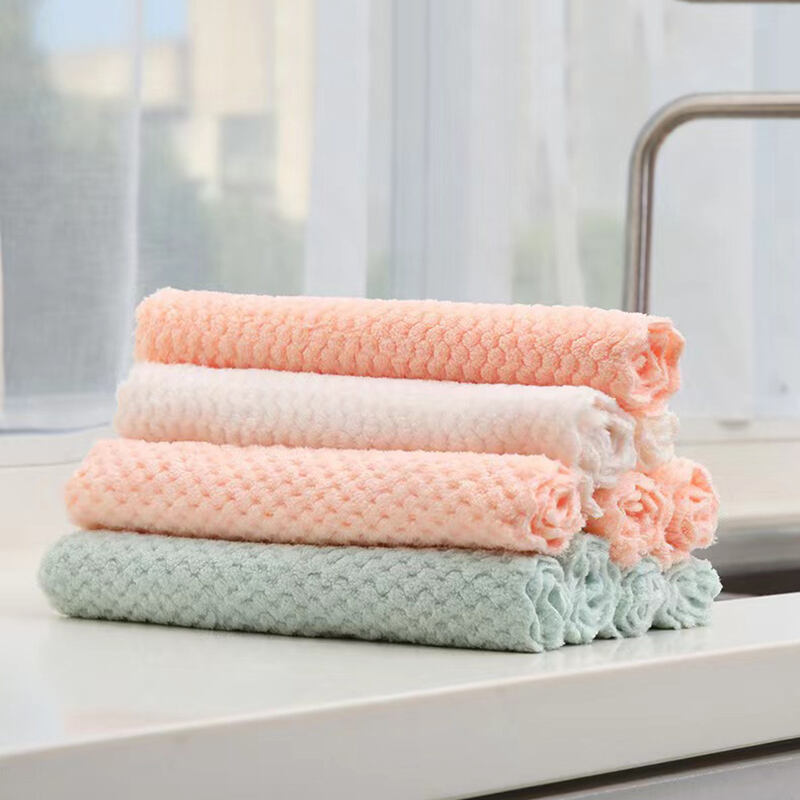
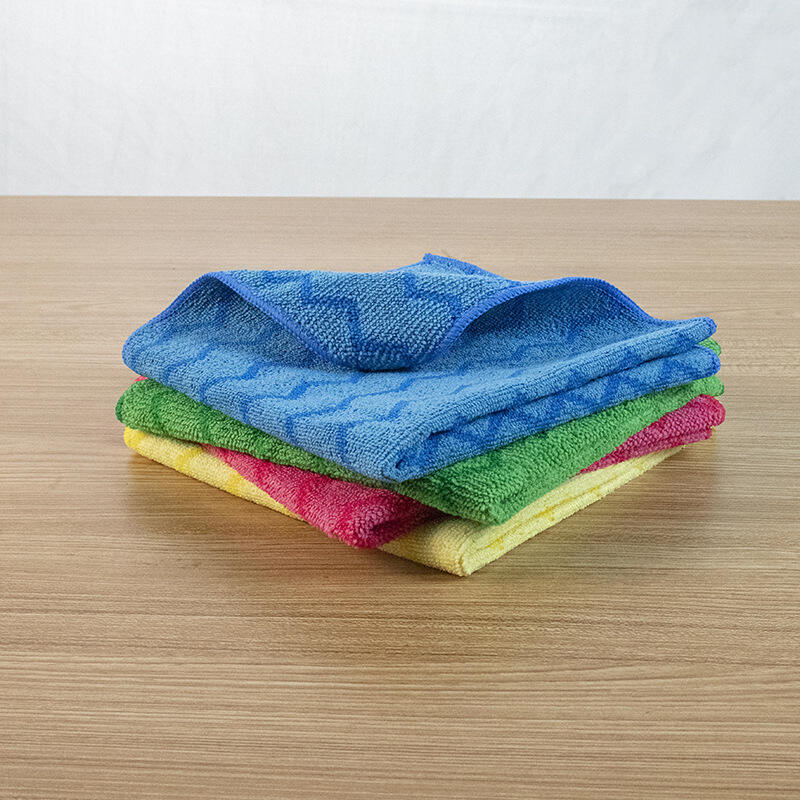
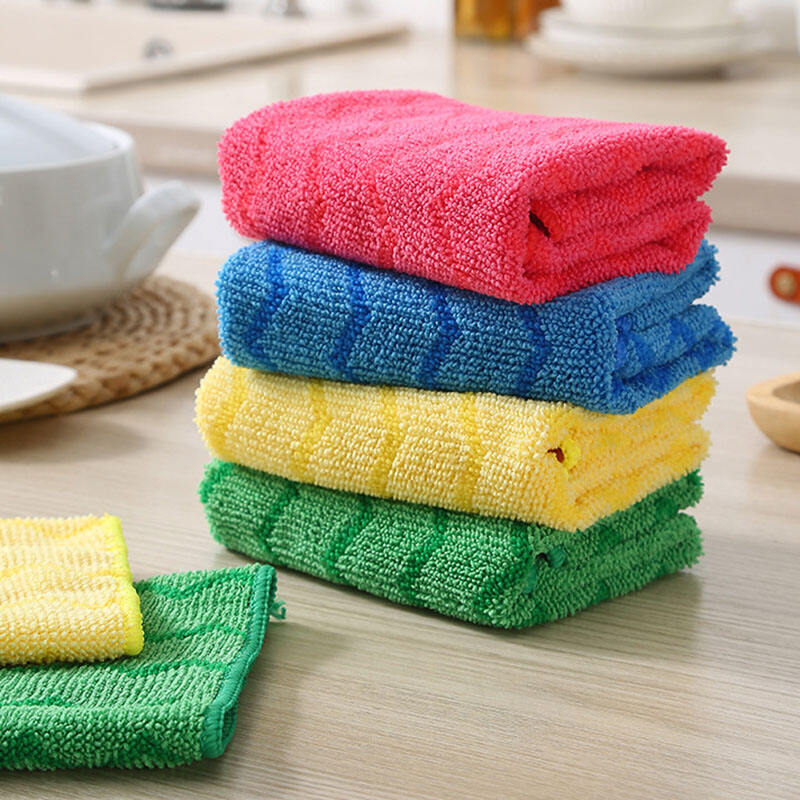
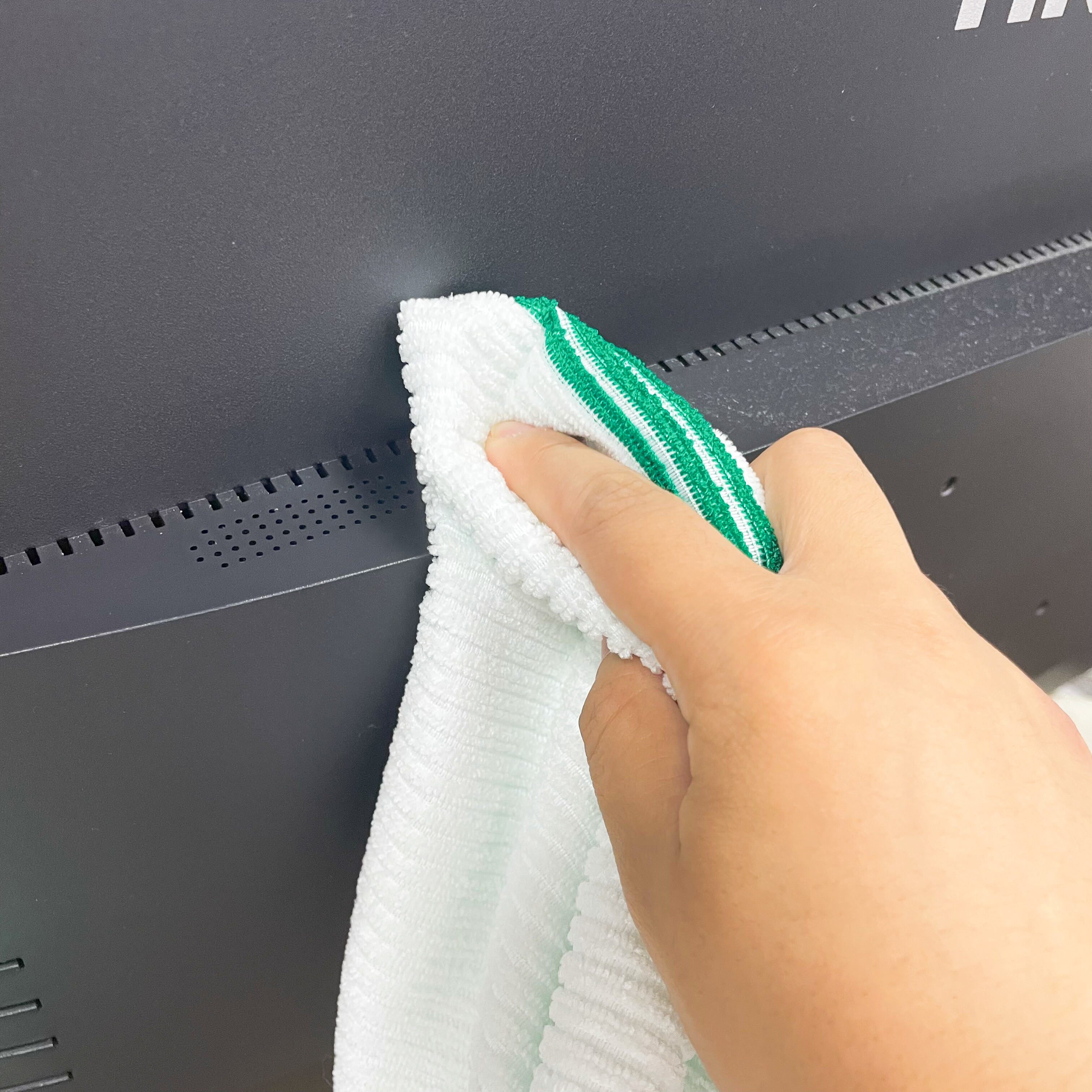
In the operational ecosystem of a professional kitchen, managing liquids—from water and sauces to oils and cleaning solutions—is a constant, critical task. The efficiency and safety with which this is handled directly impact workflow, staff safety, and overall hygiene compliance. An ordinary cloth merely redistributes moisture; a truly Absorbent Kitchen Towel, such as those engineered by Zhejiang Esun Environmental Technology, acts as a high-capacity liquid management system. This distinction is fundamental. Superior absorbency is not a minor convenience; it is a measurable operational asset that enhances kitchen performance on multiple levels, from the moment a spill occurs to the long-term accounting of consumable expenses.
The primary benefit of exceptional absorbency is immediate hazard control. A fast-absorbing towel instantly mitigates slip-and-fall risks, which are among the most common causes of injury in commercial kitchens. When a pot boils over or a container tips, the speed of response is crucial. A highly Absorbent Kitchen Towel can contain and remove a large volume of liquid in one action, allowing staff to secure the area quickly and return to their primary duties with minimal disruption. This rapid response is vital for maintaining service flow during peak hours. Furthermore, effective absorption is intrinsically linked to hygiene. Standing water or greasy films on countertops, equipment handles, and floors are breeding grounds for bacteria and cross-contamination. By enabling staff to leave surfaces not just visually clean but also dry, these towels actively contribute to a higher sanitation standard, supporting HACCP principles and food safety protocols.
The material science behind high-performance absorbency is precise. Microfiber towels achieve their capacity through ultra-fine fibers that are split during production, creating a vast network of microscopic channels. This structure uses capillary action to pull liquid deep into the core of the towel. For a kitchen manager, this translates to tangible efficiency gains. Staff spend less time repeatedly wiping the same spill, use fewer towels per task, and encounter fewer instances of "rewiping" due to residual dampness. This efficiency extends to cleaning tasks like drying freshly washed vegetables, salad greens, or kitchenware. A towel with high absorbency and retention completes these tasks faster and more thoroughly, directly contributing to kitchen prep speed and food quality preservation by removing excess moisture that can accelerate spoilage.
From a financial and sustainability perspective, investing in high-quality absorbent towels delivers significant returns. The durability and reusable nature of products like Esun's microfiber towels directly combat the recurring cost and waste generated by disposable paper towels or low-quality rags that require constant replacement. A single, well-made absorbent towel can replace hundreds of rolls of paper towels over its lifespan, representing a substantial reduction in ongoing supply costs and landfill waste. For large-scale operations like hotel chains, school cafeterias, or catering companies, this operational cost-saving is quantifiable. Additionally, the reduced laundry frequency (because each towel handles more liquid per use) and lower water/energy consumption per cleaning cycle further enhance the environmental and economic benefits. We invite you to contact our team for a detailed analysis of how integrating our high-absorbency solutions can optimize your specific operational workflow and cost structure. Our experts can provide samples and data to demonstrate the performance differential and help you calculate the potential savings for your business.
 EN
EN