The selection of Cleaning Mops for Floors is a critical operational decision that impacts hygiene outcomes, labor productivity, and facility management budgets. Moving beyond commodity purchasing to a strategic specification requires an understanding of how mop design, material composition, and deployment protocols interact to achieve defined cleaning standards.
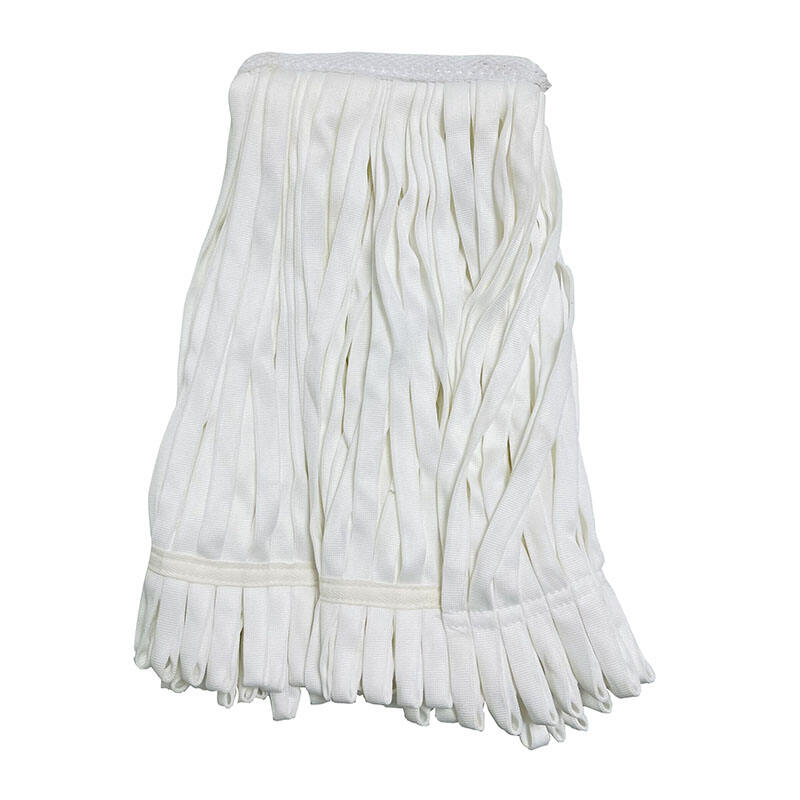
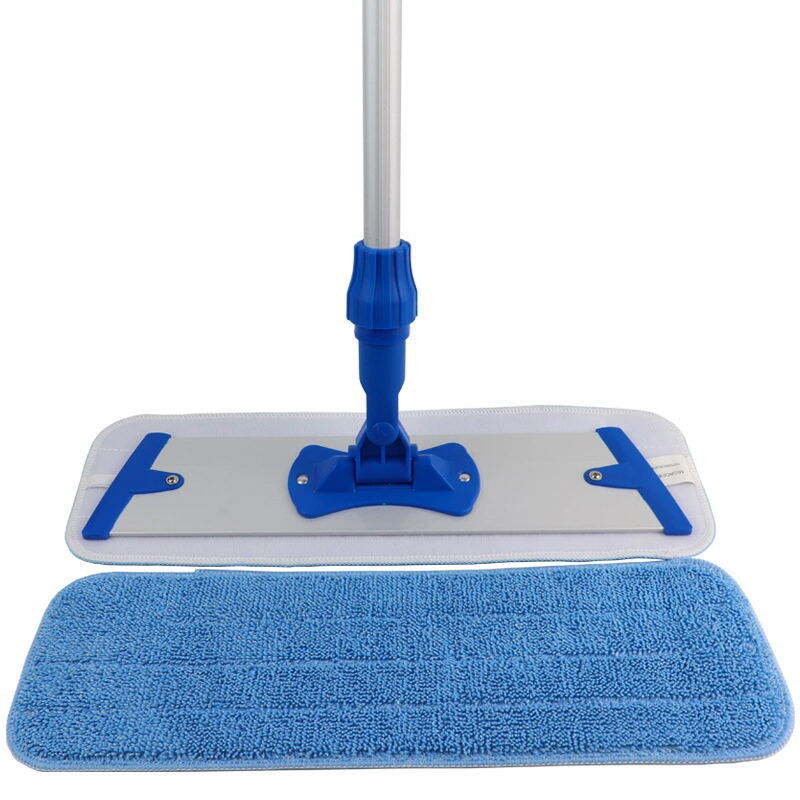
The evolution from traditional looped-end string mops to modern flat mop systems represents a paradigm shift in floor care. The traditional mop, with its thick cotton strands, holds a large volume of dirty water, which is then redeposited across the floor, leaving streaks and a film that attracts new soil. In contrast, modern flat mop systems use a thin, precisely controlled layer of cleaning solution applied via a sprayer or bucket, while the flat microfiber pad agitates and, crucially, absorbs the dirty solution back into the pad. This "clean, don't smear" methodology is fundamental to achieving a genuinely clean, residue-free surface, essential in environments like schools, retail spaces, and healthcare facilities where slip resistance and indoor air quality are priorities.
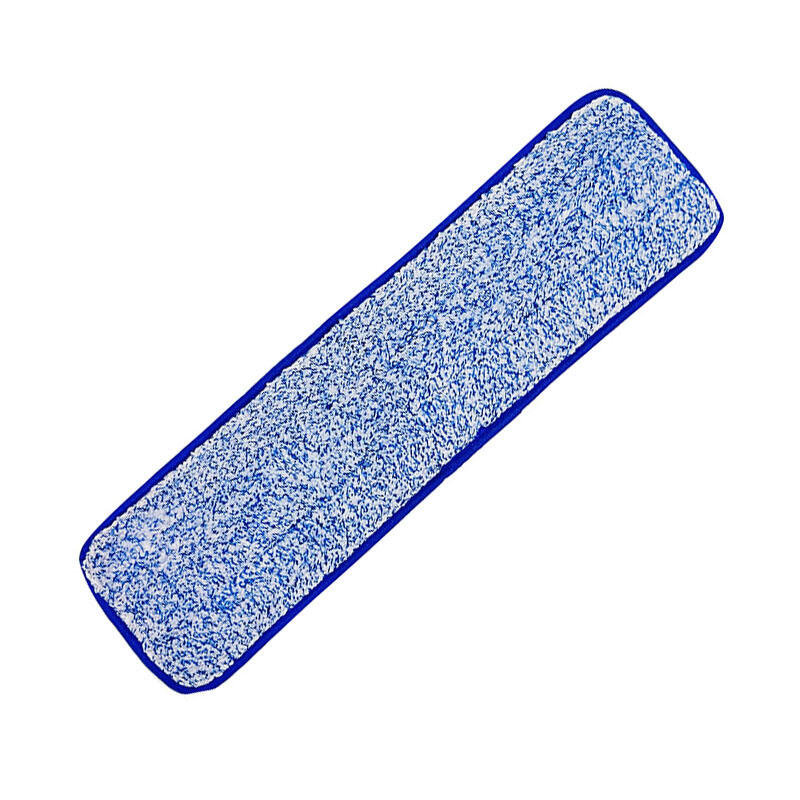
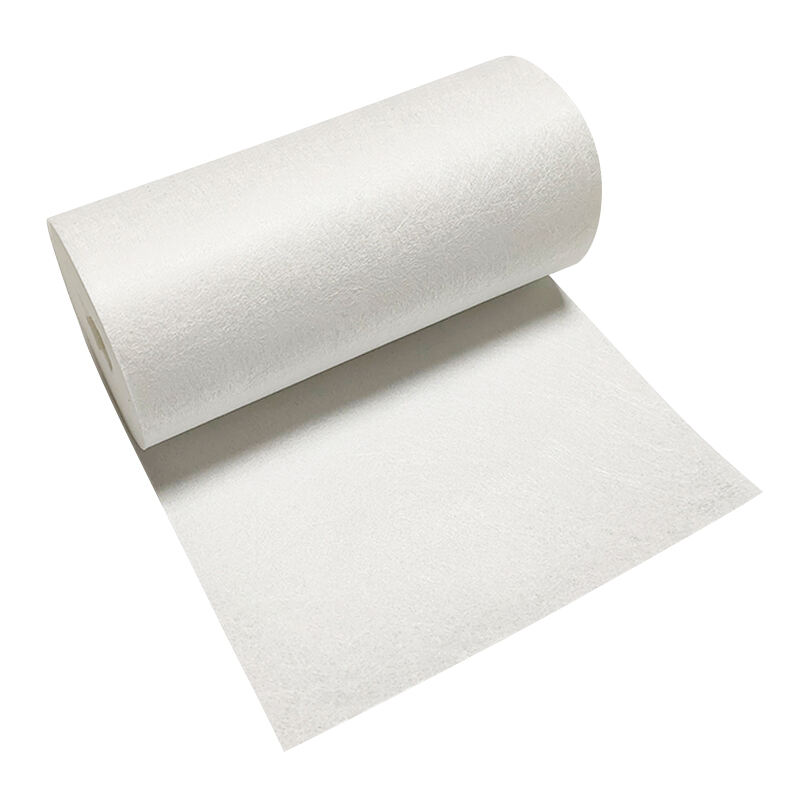
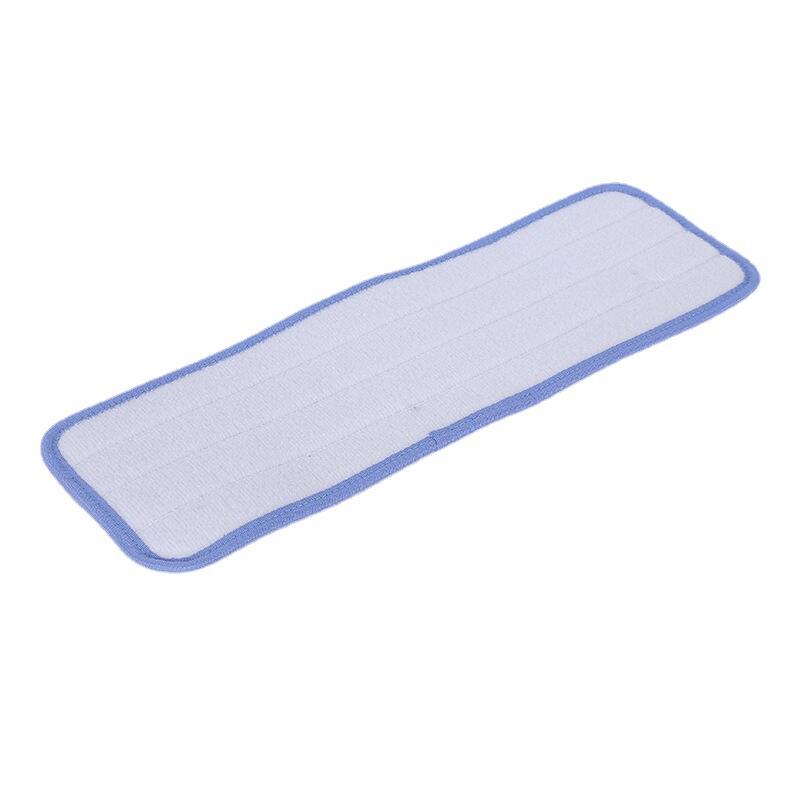
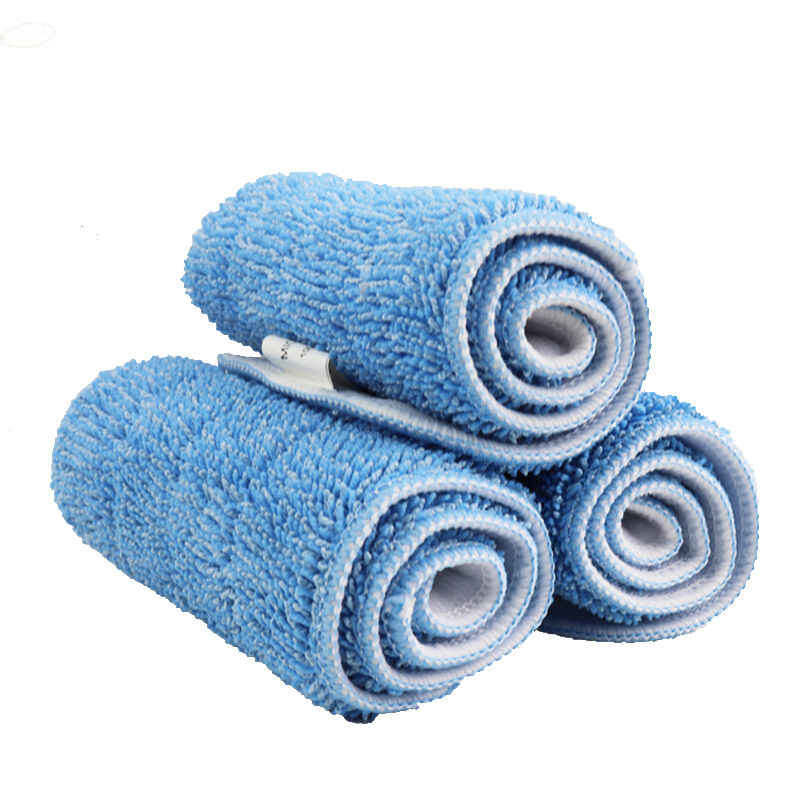
Material specification is paramount. For general dust control and damp mopping, a fine-fiber microfiber pad (e.g., 300-400 GSM) is ideal. Its electrostatic properties make it exceptional for capturing fine dust from polished concrete or laminate. For scrubbing tasks in industrial kitchens, garages, or entryways with greasy or embedded dirt, a heavier terry-style or cross-weave microfiber pad (500+ GSM) or a robust non-woven pad provides the necessary abrasion and solution-holding capacity. Non-woven pads, made from spun-bonded polymers, are particularly effective for one-time, heavy-soiling tasks or in controlled infection prevention scenarios, as they can be disposed of after use, eliminating cross-contamination risk.
The mop frame is the engine of the system. Commercial-grade frames are constructed from aircraft-grade aluminum or fiberglass-reinforced polymers for a perfect balance of lightness and strength. A full 360-degree swivel joint is non-negotiable for cleaning around furniture legs, toilet bases, and complex floor plans without awkward repositioning. The clamping mechanism must secure the mop head firmly to prevent slippage during aggressive scrubbing, yet allow for a quick, tool-free change—a feature that saves valuable minutes during shift changes or when switching between pad types for color-coded cleaning zones.
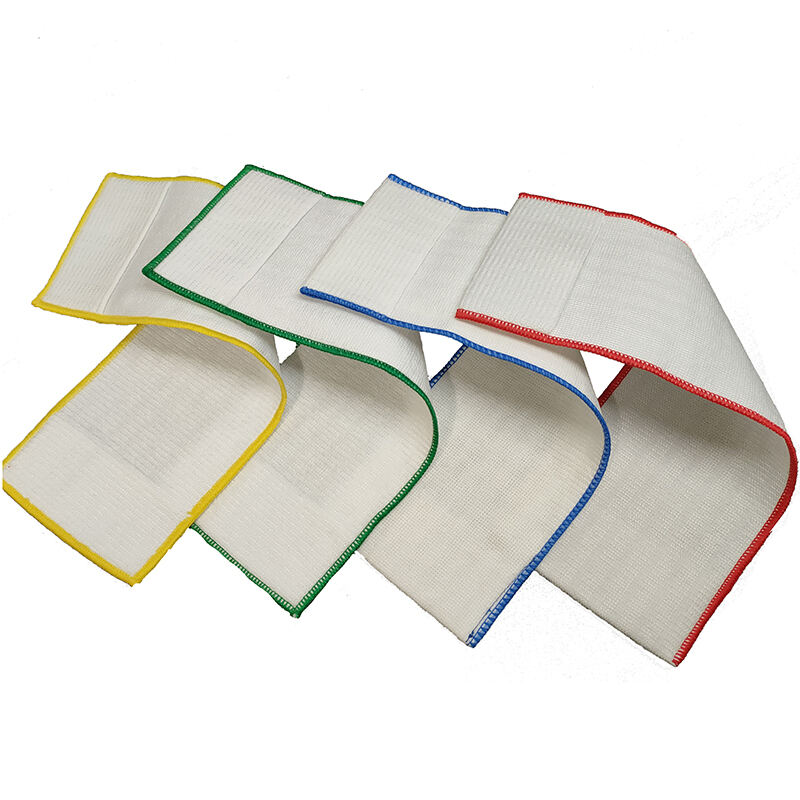
Implementing a systematic approach maximizes ROI. A color-coding protocol—assigning specific pad colors to distinct areas (e.g., red for restrooms, green for food service, blue for general office areas)—is a best-practice infection control strategy that prevents the transfer of contaminants from high-risk to low-risk zones. This system is only viable with durable, launderable pads that maintain their color integrity. Furthermore, establishing a clear laundering SOP (Standard Operating Procedure) is essential. Microfiber must be washed separately from other linens, without fabric softener (which coats the fibers and destroys their electrostatic properties), and at the correct temperature to ensure both hygiene and material longevity.
From a procurement perspective, partnering with a direct manufacturer like Esun offers strategic advantages beyond price. It provides supply chain transparency, consistency in product quality, and the agility to develop custom solutions. For a large hotel chain, this might mean creating a specific mop head size to fit proprietary frames. For a janitorial supply distributor, it could involve developing a private-label product line with custom packaging. The ability to control the entire production process, from polymer selection to finished pad, allows for innovation that directly addresses pain points, such as developing a mop pad with enhanced scrubbing strips for grout lines or one with a hydrophobic layer for controlled moisture application on sensitive wooden floors.
Ultimately, the most cost-effective Cleaning Mops for Floors are those that clean right the first time, reduce labor hours, and endure. A failure in any of these areas leads to recleaning, dissatisfied occupants, and frequent repurchasing. To conduct a thorough evaluation for your facility, we encourage you to contact our technical sales team. We can provide detailed specifications, performance data, and samples of our various mop systems tailored to your specific floor types and cleaning challenges, ensuring you select the optimal tool for the job.
 EN
EN