In the high-stakes worlds of semiconductor fabrication, pharmaceutical sterile fill-finish, and biomedical device assembly, the control of airborne particulate contamination is not merely a guideline—it is the fundamental determinant of product yield, efficacy, and safety. An ISO Class 5 environment, as defined by ISO 14644-1, permits no more than 3,520 particles of size 0.5 microns or larger per cubic meter of air. To put this into perspective, typical office air contains millions of such particles. Maintaining this pristine state requires a holistic strategy where every element, including cleaning tools, is engineered as a precision component. Standard cleaning tools are prolific sources of contamination, shedding fibers, and generating static that attracts and redistributes particles. This is where specialized ISO Class 5 Cleanroom Mops transition from simple tools to critical control instruments.
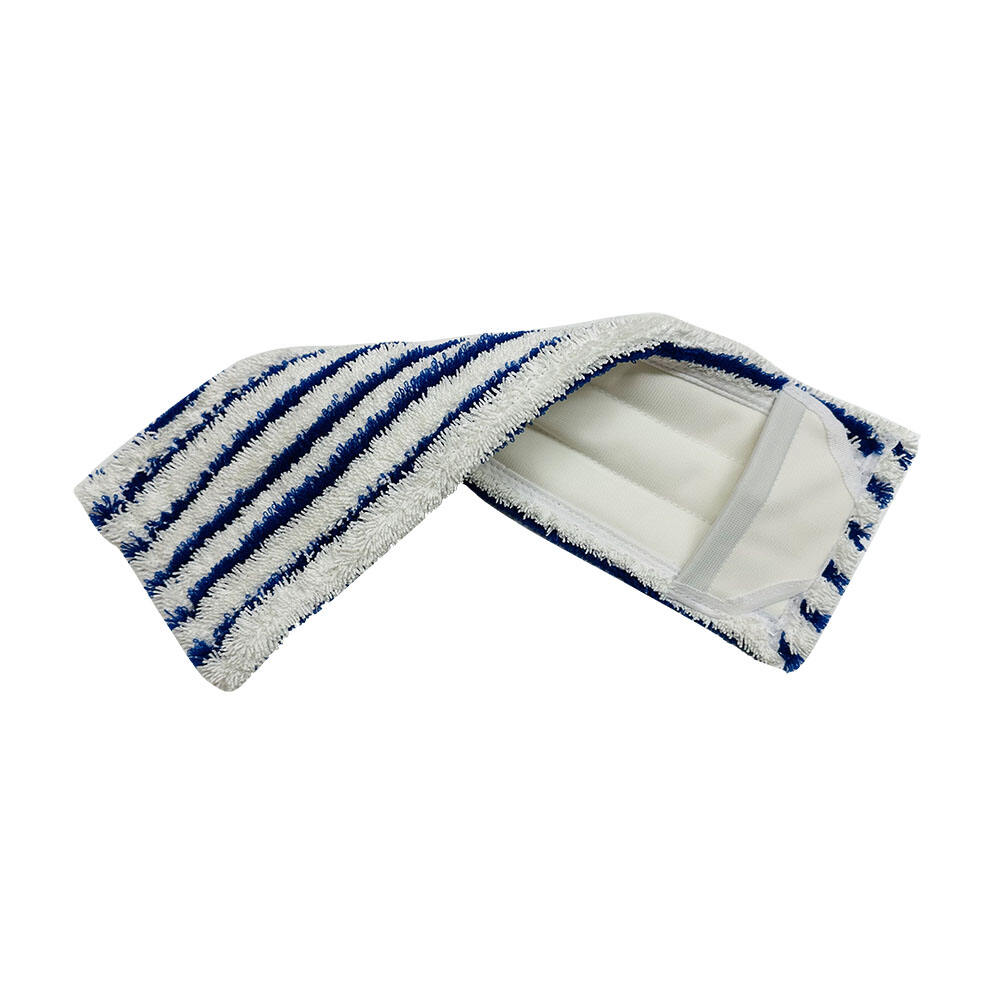
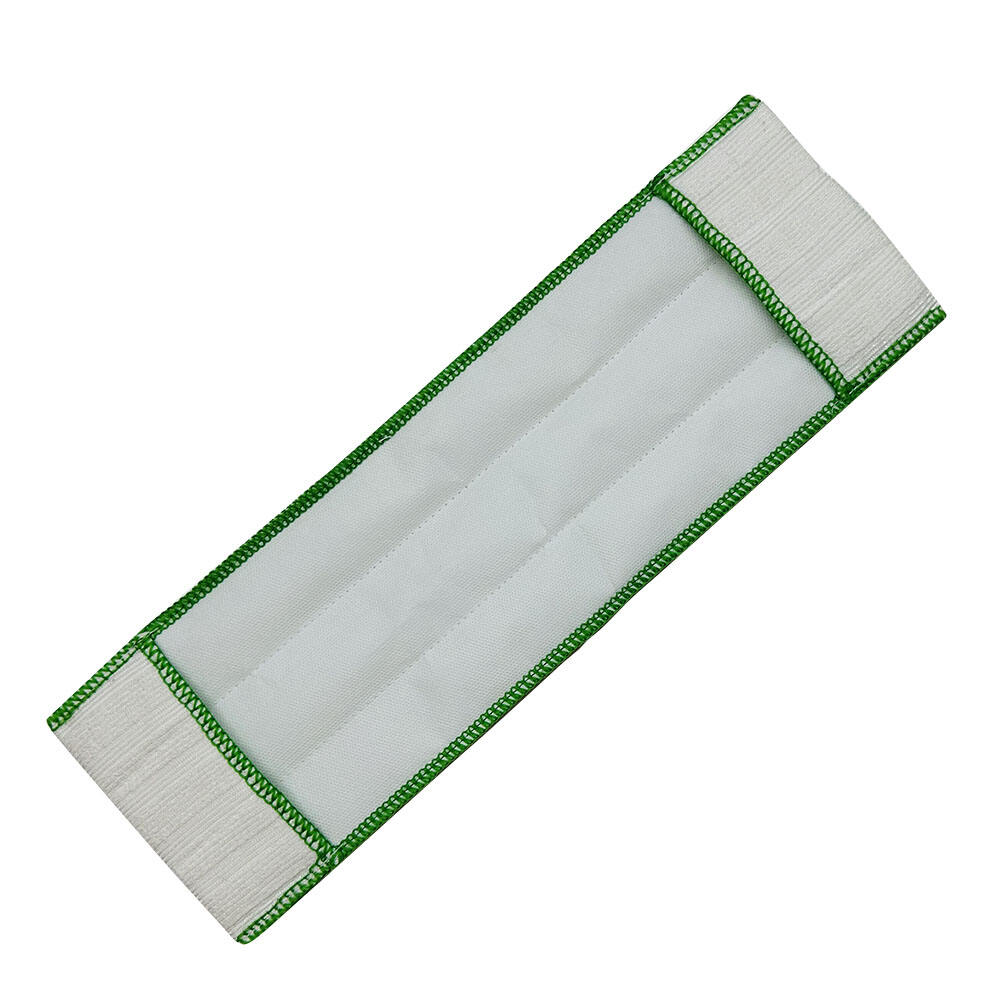
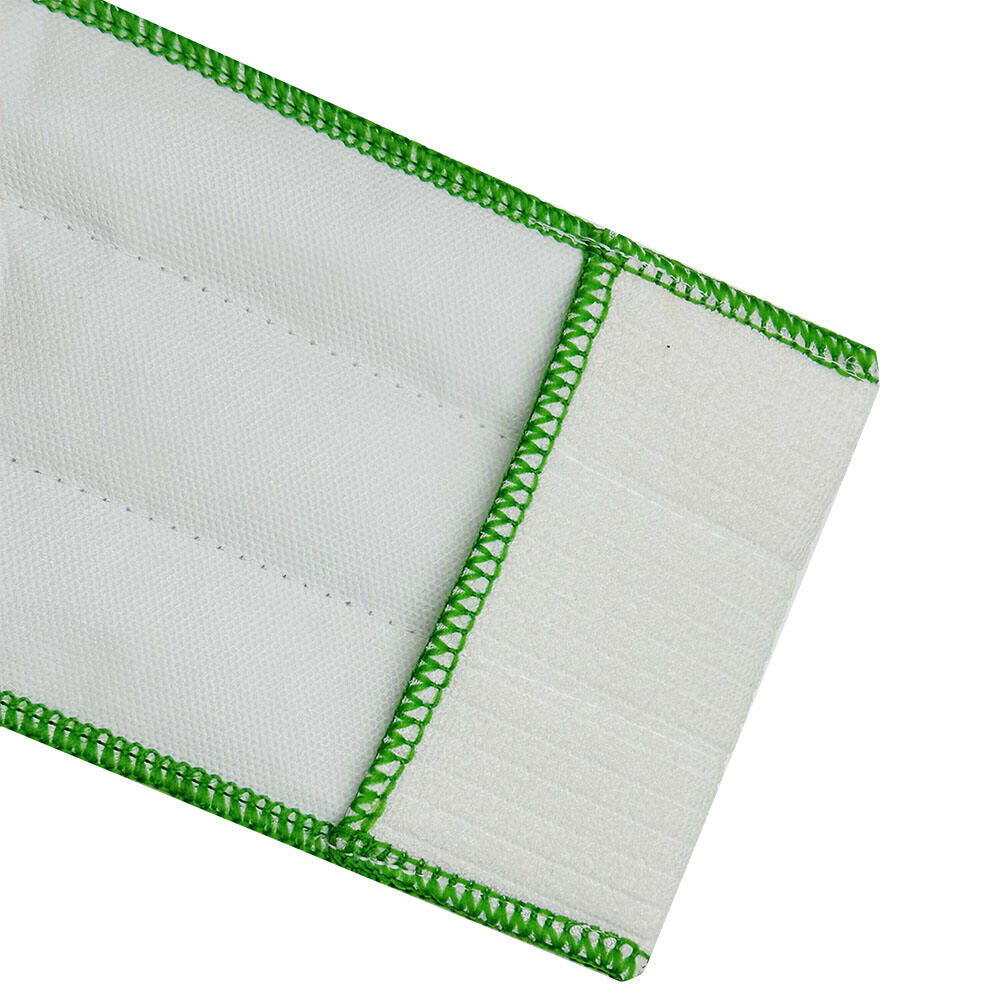
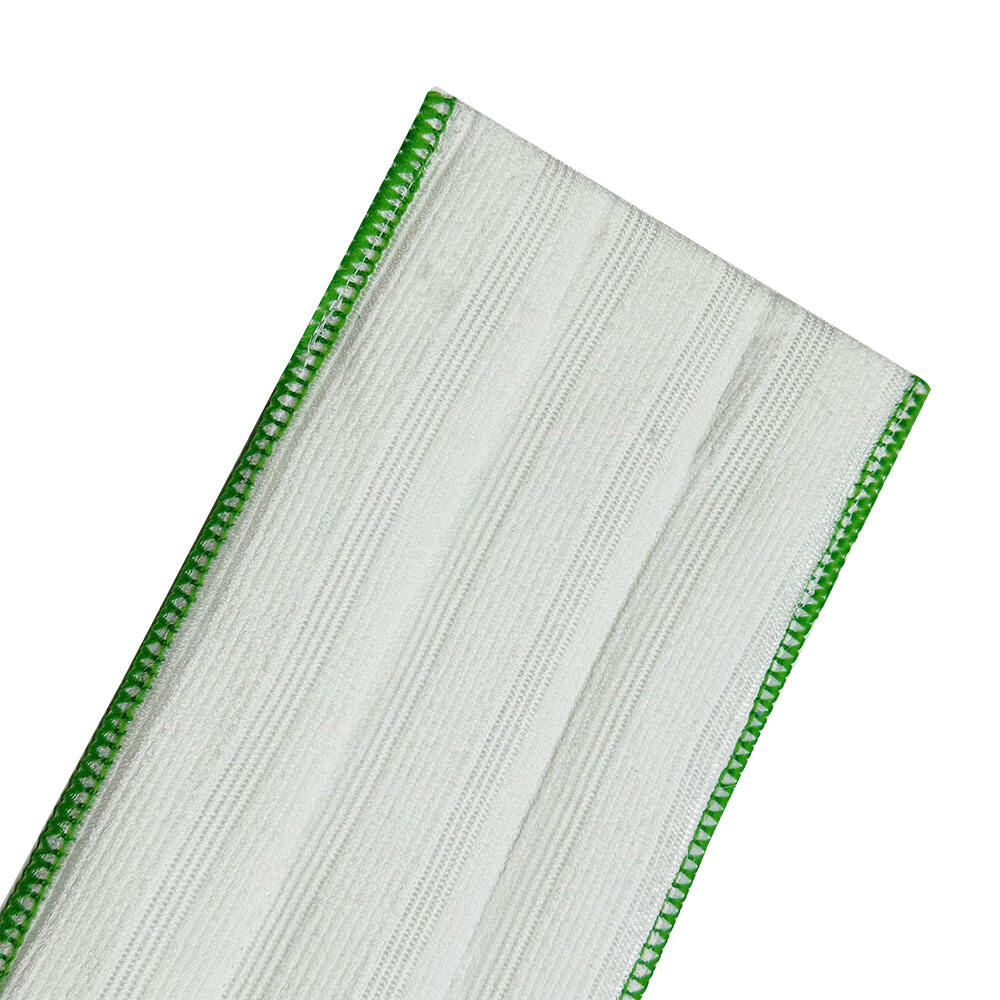
The design philosophy behind a true ISO Class 5 Cleanroom Mop addresses multiple failure points simultaneously. Firstly, the material must be inherently low-linting. At Esun, our expertise in microfiber technology is pivotal. We engineer blends using ultra-fine, continuous filaments that are tightly bonded. This structure excels at capturing and locking away sub-micron particles within the weave, rather than releasing them back into the environment. Furthermore, every mop head undergoes a precision edging process where the perimeter is thermally sealed or ultrasonically welded. This eliminates the frayed cut edges common in traditional mops, which are a primary source of thread and fiber shedding. For environments involving sensitive electronics, such as a Class 100 (Fed-Std-209 equivalent) cleanroom for disk drive assembly, the mop must also manage electrostatic discharge (ESD). A passing technician or the friction of mopping can generate thousands of volts, enough to silently destroy integrated circuits. Our ESD-safe variants incorporate carbon or other conductive threads woven into the fabric, creating a continuous path to safely dissipate charges to a grounded handle when used with a complete conductive system.
Consider a practical application scenario in a pharmaceutical biologics suite. The cleaning and disinfection of the ISO Class 5 core filling area is a validated process. The cleaning agent is specified, the disinfectant contact time is validated, and the personnel are rigorously trained. The mop, however, must be the reliable vector for applying these solutions without becoming a source of contamination itself. A non-conforming mop could introduce viable particles or microbial spores, compromising the sterility of the product. Our mops are designed to be highly compatible with cleanroom disinfectants like sporicides and alcohols, maintaining their integrity and low-lint properties through repeated wash and sterilization cycles in accredited cleanroom laundries. The result is a reliable, predictable performance that supports, rather than jeopardizes, the cleaning validation protocol. For facilities without on-site laundering, we offer disposable, gamma-irradiated options that provide guaranteed sterility and particle counts for single, critical-use applications.
Selecting the right mop is a technical decision. Factors such as the cleanroom classification, the nature of the contaminants (dry particulates vs. chemical spills), the required ESD properties, and the facility's laundering capabilities must all be weighed. This is not a one-size-fits-all product category. As a manufacturer with deep R&D capabilities, we understand these nuances. We encourage facility managers, contamination control engineers, and QA/QC professionals to engage with us directly. By discussing your specific operational environment, cleaning agents, and protocols, we can provide the most effective ISO Class 5 Cleanroom Mop solution. Please contact our technical support team to initiate a consultation and receive tailored product recommendations for your critical application.
 EN
EN