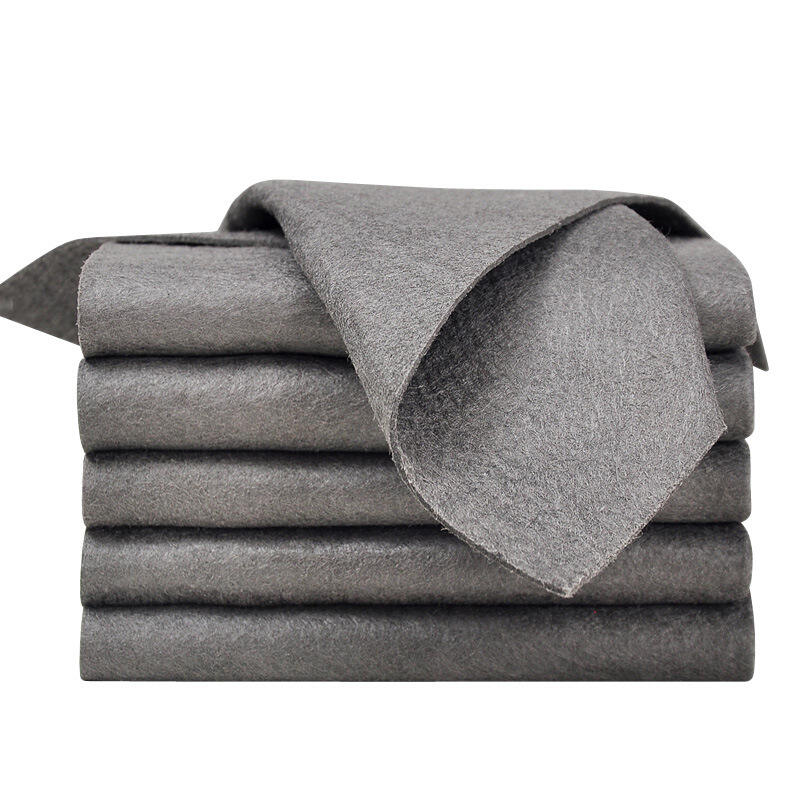
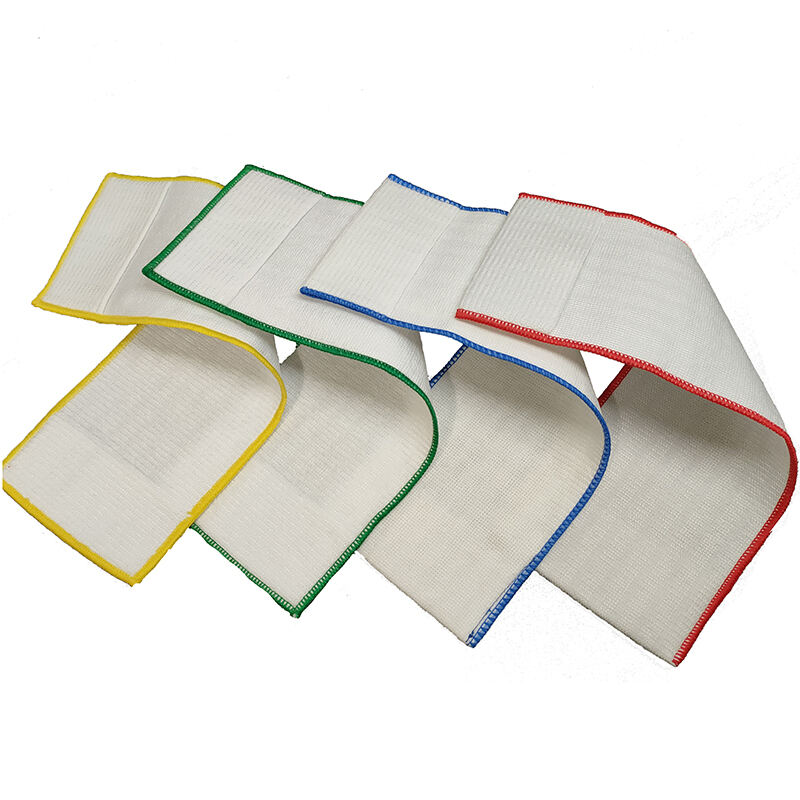
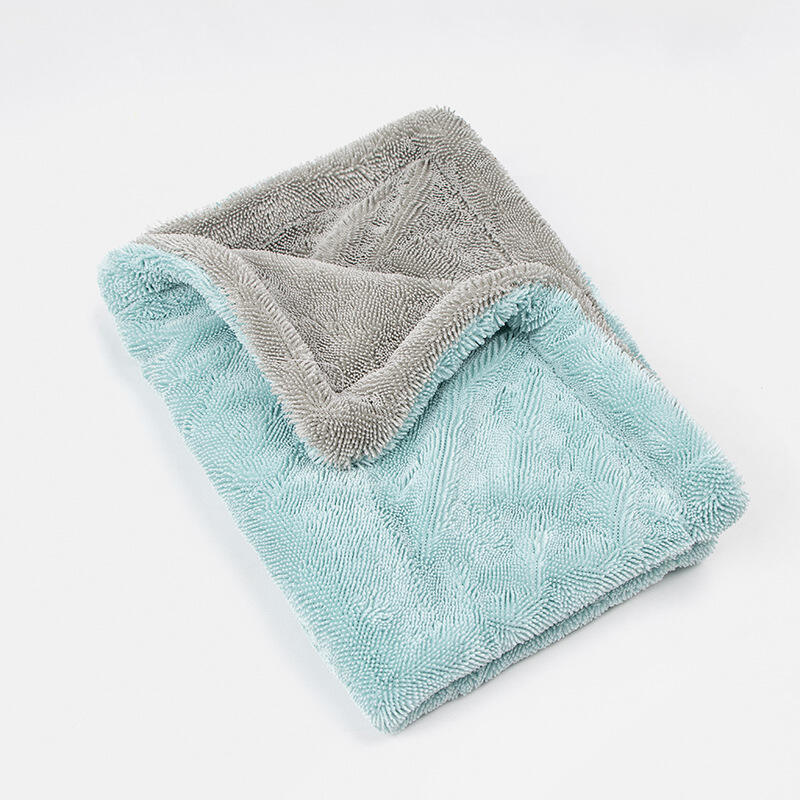
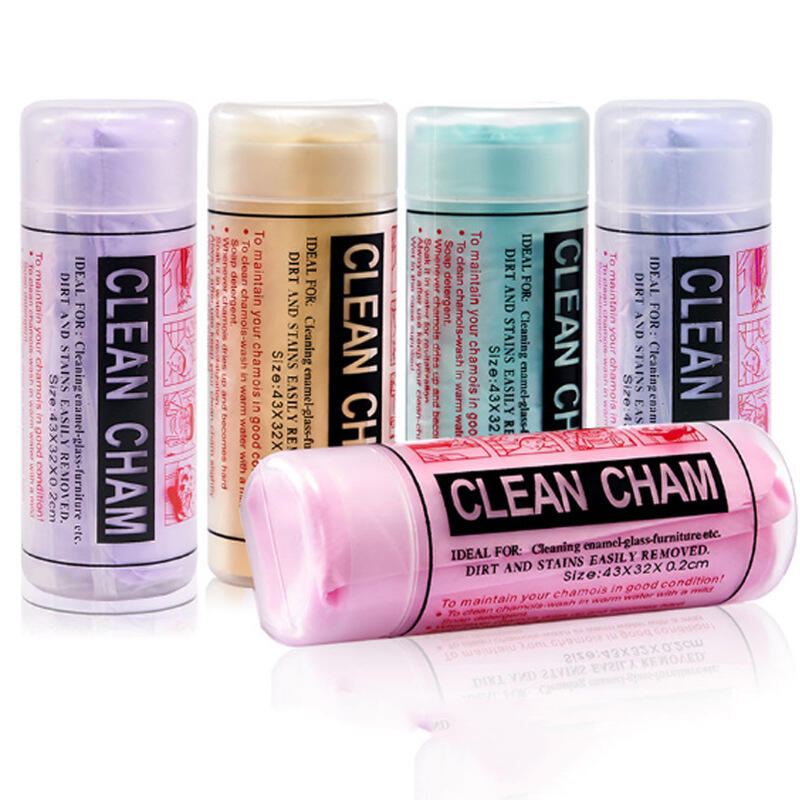
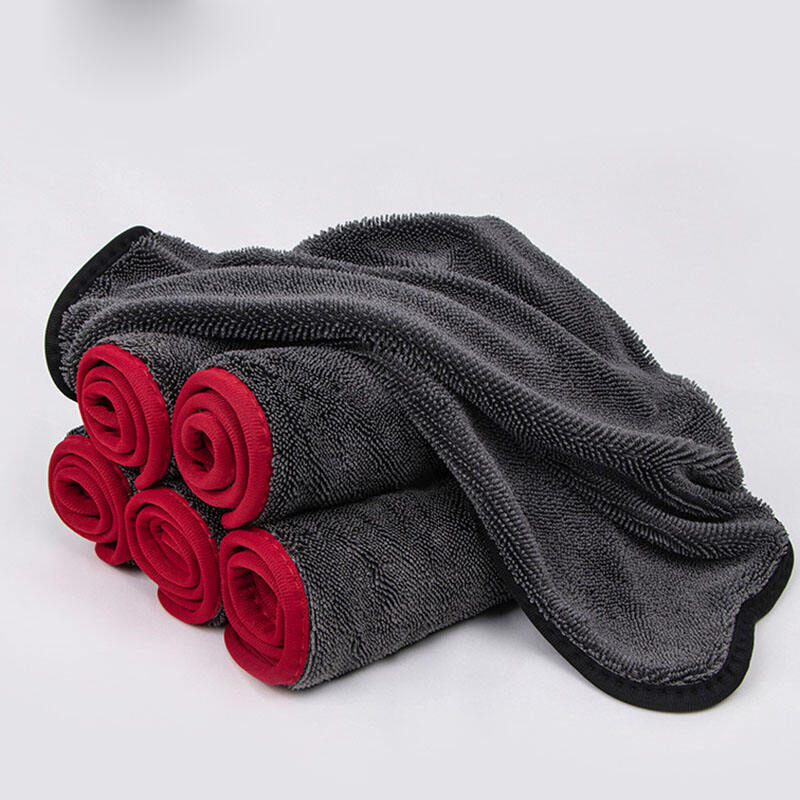
In the specialized domain of vehicle care, the term towel car represents a critical category of consumables that directly impacts the outcome of every wash, detail, and maintenance routine. The distinction between a standard towel and a purpose-engineered towel car product lies in its deliberate design to interact safely and effectively with automotive surfaces. At Zhejiang Esun Environmental Technology, our approach to this category is rooted in applied material science and a deep understanding of end-user workflows. The journey of a professional-grade car towel begins at the molecular level with polymer selection and extends through advanced manufacturing processes like fiber splitting and precision weaving, all orchestrated within our integrated facility to meet the exacting standards of a global clientele.
The primary function of a towel car product is twofold: to remove unwanted substances (water, dirt, polish) and to protect the underlying surface. This demands a careful balance of properties. For exterior paintwork, the paramount concern is scratch prevention. Modern clear coats are surprisingly soft and susceptible to micro-marring from abrasive particles or coarse fabrics. A high-quality microfiber towel car product addresses this through its construction. The ultrafine, split fibers create a vast surface area with millions of tiny hooks that encapsulate and lift contaminants, trapping them within the towel's pile rather than dragging them across the paint. Simultaneously, the spaces between these fibers create capillaries that wick away moisture with exceptional efficiency. This is why a proper drying towel can absorb many times its weight in water, reducing the number of passes needed and, consequently, the risk of friction-induced swirl marks. For interior surfaces, the requirements shift. Cleaning a touchscreen or piano black trim requires a towel that is non-abrasive and anti-static, while cleaning fabric seats may require a towel with more nap and texture to lift debris.
The commercial applications for specialized towel car products are vast and dictate specific product specifications. In a professional detailing studio, time is money, and a systematic “multiple towel method” is employed. This involves using a dedicated set of towels for different tasks—one for pre-wash, another for wheels, separate towels for polish application and removal, and a final set for drying. This system, which relies on a large inventory of high-quality, identifiable towels, prevents cross-contamination that could ruin a perfect finish. It also creates a recurring demand for durable, launderable products, a need our manufacturing scale is built to fulfill. For high-volume car wash operations, the calculus revolves around durability, absorbency rate, and cost-per-use. Here, larger format, heavyweight non-woven or specific microfiber blend towel car products might be deployed in automated drying systems or used manually for a rapid final dry. Their ability to withstand hundreds of industrial wash cycles directly impacts operational profitability.
Furthermore, the rise of environmentally sustainable car care practices, particularly in regions with water restrictions, has given rise to rinseless and waterless wash systems. These methods are entirely dependent on the capability of premium towel car products. They utilize a lubricating solution that emulsifies dirt, which is then safely lifted away by a series of specialized towels. The success of this method hinges on the towel’s ability to hold a significant amount of solution, release dirt easily during laundering, and maintain its softness over time. As an OEM manufacturer, Esun’s role is to provide the foundational product excellence that allows brands and service providers to meet these evolving market demands. We enable our partners to offer solutions that are not only effective but also align with growing consumer preferences for efficiency, safety, and environmental responsibility, thereby adding tangible value to their service offerings and product lines.
 EN
EN