 EN
EN

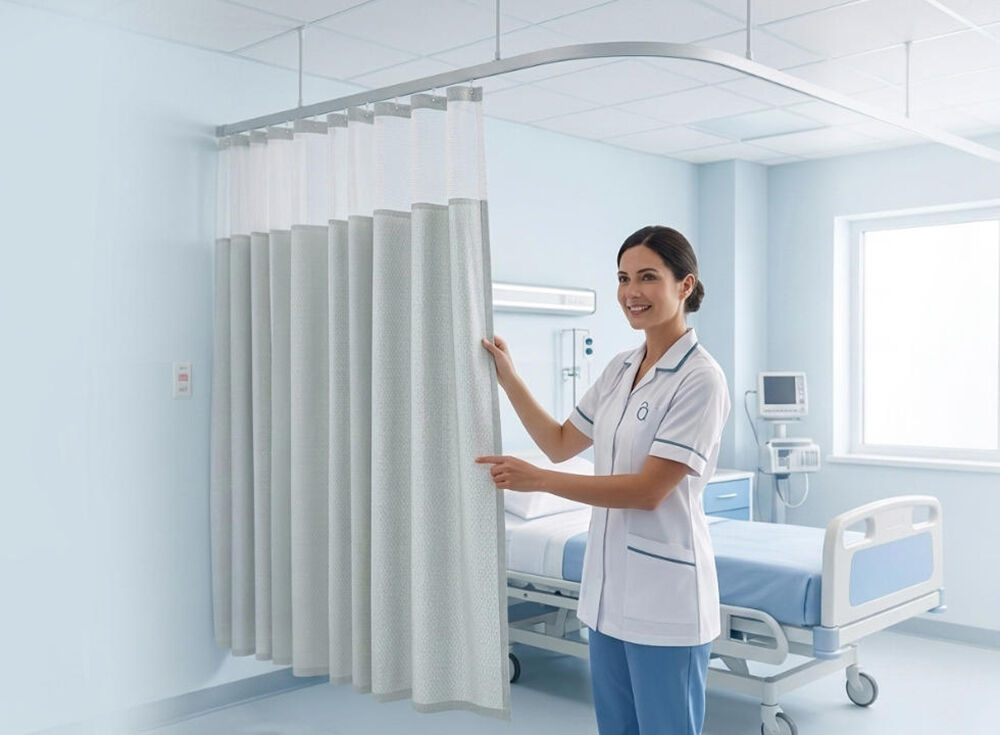
ضرورة التحكم في العدوى: لماذا تقلل الستائر المضادة للميكروبات المستخدمة في المستشفيات من العدوى المكتسبة فيها
العدوى المكتسبة في المستشفيات المرتبطة بستائر الأجنحة الملوثة
تُصيب العدوى المكتسبة في المستشفيات مريضًا واحدًا من بين كل 31 مريضًا في المستشفيات يوميًا في الولايات المتحدة، مما يُضيف أكثر من 28 مليار دولار سنويًا إلى تكاليف الرعاية الصحية، وفقًا لبيانات مراكز السيطرة على الأمراض والوقاية منها (CDC) ووكالة أبحاث الرعاية الصحية والجودة (AHRQ). تُعدّ ستائر الخصوصية من بين أكثر الأسطح التي يتم لمسها في غرف المرضى، ومع ذلك، لا يتم تنظيفها إلا بضع مرات في السنة وفقًا للبروتوكولات القياسية. يُؤدي التعامل الروتيني معها من قِبل الموظفين والمرضى والزوار إلى نقل مسببات الأمراض من الأيدي إلى القماش، مما يجعل الستائر خزانات مستمرة للتلوث. تُشير الدراسات إلى أنه في غضون 72 ساعة من تركيبها، تحتوي جميع الستائر القياسية تقريبًا على مستويات قابلة للكشف من الكائنات المقاومة للأدوية المتعددة (MDROs)، بما في ذلك المكورات العنقودية الذهبية المقاومة للميثيسيلين (MRSA) والمكورات المعوية المقاومة للفانكومايسين (VRE). يرتبط هذا التلوث ارتباطًا مباشرًا بارتفاع خطر انتقال العدوى المكتسبة في المستشفيات، لا سيما في الوحدات ذات معدل دوران المرضى المرتفع مثل أقسام الطوارئ ووحدات العناية المركزة. يُقلل استبدال الستائر القياسية ببدائل مضادة للميكروبات مُسجلة لدى وكالة حماية البيئة (EPA) من حمل مسببات الأمراض على الأسطح بنسبة تصل إلى 90%، مما يُوفر طبقة سلبية للتحكم في العدوى لا تُؤثر على سير العمل.
استمرارية مسببات الأمراض: المكورات العنقودية الذهبية المقاومة للميثيسيلين (MRSA)، والعدوى المعوية المقاومة للفانكومايسين (VRE)، وعصية كلوستريديوم ديفيسيل (C. difficile) على أقمشة الستائر المستخدمة في المستشفيات
تبقى مسببات الأمراض الشائعة في المستشفيات نشطةً لفترة أطول بكثير على الأقمشة غير المعالَجة المصنوعة من البوليستر أو خليط القطن مقارنةً بما يفترضه العديد من الأطباء والممارسين الصحيين: إذ تظل المكورات العنقودية الذهبية المقاومة للميثيسيلين (MRSA) قادرةً على التكاثر لأكثر من ٧ أيام، بينما تظل العدوى المعوية المقاومة للفانكومايسين (VRE) نشطةً لمدة تصل إلى ٥ أيام، و بكتيريا C. difficile الأبواغ لعدة أشهر—حتى بعد التنظيف البيئي الروتيني. وتزدهر هذه الكائنات الدقيقة في المناطق ذات التلامس العالي، مثل حواف الستائر القريبة من درابزين الأسرّة، حيث تتراكم الاحتكاك والرطوبة. وبما أن الستائر القياسية نادرًا ما تُغسل بين المرضى—ولا يمكن تعقيمها فعليًّا في مكانها دون خطر إتلاف النسيج—فإن دورها في التلوث المتبادل يزداد بشكلٍ ملحوظ. أما الستائر المستخدمة في المستشفيات والمُصنَّعة بخواص مضادة للميكروبات، فهي تدمج عوامل مثل أيونات الفضة أو المركبات الأمونيومية الرباعية مباشرةً داخل هيكل الألياف، مما يوفِّر تثبيطًا مستمرًّا للكائنات الدقيقة بين عمليات التنظيف. وعلى عكس الحواجز السلبية، فإن هذه الحماية النشطة تُعطِّل استيطان مسببات الأمراض عند نقطة التلامس، وتدعم بذلك استراتيجية مراكز السيطرة على الأمراض والوقاية منها (CDC) المُعنونة بـ«الدفاع المتعدد الطبقات» للوقاية من العدوى المرتبطة بالرعاية الصحية.
أهمية علم مواد النسيج: نوع القماش وأسلوب دمج المواد المضادة للميكروبات
يعتمد الاختيار بين البوليستر والبولي بروبيلين على المتانة وسهولة التنظيف والأداء المضاد للميكروبات المتسق، وليس فقط على التكلفة أو الجوانب الجمالية. ويتميز البوليستر بقوة شدٍّ فائقة ومقاومة عالية للتمزق والتكتل، ما يجعله مناسبًا جدًّا للبيئات السريرية عالية الحركة، حيث تُسحب الستائر وتُعدَّل بشكل متكرر. ومع ذلك، فإن طبيعته الكارهة للماء قد تحدُّ من انتشار عامل مضاد للميكروبات بشكل متجانس عند تطبيقه عبر معالجة السطح. أما البولي بروبيلين، في مقابل ذلك، فيمتلك طاقة سطحية منخفضة بطبيعته ومقاومة جيدة للرطوبة — وهما خاصيتان تقللان من التصاق الميكروبات وتدعمان دمج الإضافات المضادة للميكروبات بشكل مستقر أثناء عملية البثق. كما أن سطحه الأملس غير المسامي يستجيب أيضًا بشكل أكثر انتظامًا لمطهرات المستشفيات القياسية، مما يمكِّن من إزالة التلوث بشكل موثوق دون المساس بالسلامة البنائية للمادة.
وما يساوي هذه الأهمية هو كيف يتم توفير النشاط المضاد للميكروبات. وتُدمج العوامل المضادة للميكروبات—مثل جسيمات الفضة النانوية أو أيونات النحاس مباشرةً في البوليمر أثناء بثق الألياف—لتوفر حماية متينة ومستقرة أمام الغسيل تدوم لأكثر من ١٠٠ دورة غسيل. ويضمن هذا الأسلوب فعاليةً متسقةً طوال عمر الستارة الافتراضي، وهو ما يتماشى مع توقعات اللجنة المشتركة (Joint Commission) فيما يخص أجهزة التحكم في العدوى البيئية. أما الطلاءات المطبَّقة على السطح (مثل تلك المطبَّقة عبر عمليات النقع-التجفيف-التثبيت أو الرش)، فهي وإن كانت فعَّالة في البداية ضد المكورات العنقودية الذهبية المقاومة للميثيسيلين (MRSA) والمعويات المقاومة للفانكومايين (VRE)، فإنها تتدهور بسرعة تحت تأثير الاحتكاك الميكانيكي والتعرض المتكرر لمطهِّرات مسجلة لدى وكالة حماية البيئة (EPA)—بما في ذلك بيروكسيد الهيدروجين المُسرَّع (AHP) وهيبوكلوريت الصوديوم. وللمؤسسات التي تُجري ٥٠ دورة غسيل سنويًّا أو أكثر لكل ستارة، فإن التكنولوجيا المدمجة توفر قيمةً أعلى على المدى الطويل وثقةً تنظيميةً أكبر.
الأداء في ظروف الاستخدام الفعلي: التوافق مع عمليات التنظيف، ومقاومة البقع، وملاءمة سير العمل السريري
التحقق من الفعالية مقابل مطهرات الرعاية الصحية المسجلة لدى وكالة حماية البيئة الأمريكية (مثل بيروكسيد الهيدروجين المُركّز، والكلور)
يجب أن تحتفظ ستائر المستشفيات المضادة للميكروبات بكامل سلامتها الفيزيائية وأدائها الوظيفي عند تعرضها لطيف واسع من مطهرات الرعاية الصحية المسجلة لدى وكالة حماية البيئة الأمريكية (EPA)، بما في ذلك محلول بيروكسيد الهيدروجين المُركَّز (AHP) والمبيّض والمحاليل القائمة على الأمونيوم الرباعي. وتظهر علامات عدم التوافق في شكل تغير في اللون أو انخفاض في قوة الشد أو تمزق دقيق في النسيج أو فقدان النشاط المضاد للميكروبات — وكلٌّ من هذه العوامل يُضعف فعالية مكافحة العدوى. أما الأقمشة غير المسامية والسلسة التي ثبتت مقاومتها الكيميائية فهي تمتص كمية أقل من المحلول، وتجف بسرعة أكبر، وتجنب احتجاز مسببات الأمراض المتبقية داخل الألياف المتدهورة أو الثقوب الدقيقة. وتؤكد الاختبارات المستقلة وفقًا للمواصفات القياسية ASTM E2149 وISO 20743 أن ستائر المستشفيات المضادة للميكروبات المصممة بشكل سليم تحافظ على نسبة خفض مسببات الأمراض تزيد عن ٩٩,٩٪ بعد خمسين دورة تنظيف مُحاكاة باستخدام محلول AHP وأكثر من عشر دورات باستخدام المبيّض المخفف — دون أي تدهور مرئي. وبذلك، فإن اختيار ستائر فقط موثَّقة التوافق مع هذه المطهرات يضمن استمرارية سير العمل السريري ويتفادى حدوث فجوات غير مقصودة في النظافة البيئية.
تقييم القيمة الإجمالية: الستائر المضادة للميكروبات المستخدمة في المستشفيات القابلة لإعادة الاستخدام مقابل ذات الاستخدام الواحد
تحليل التكلفة الإجمالية للملكية — التكلفة، والامتثال، وعبء العمل على الموظفين، والاستدامة على مدار 12 شهرًا
تتجاوز تكلفة الملكية الإجمالية (TCO) للستائر المضادة للميكروبات المستخدمة في المستشفيات بكثيرٍ سعرها الظاهري. فعلى الرغم من أن الخيارات القابلة لإعادة الاستخدام تتطلب استثماراً أولياً أعلى، فإنها توفر عمر خدمة يمتد لعدة سنوات—عادةً ما يتراوح بين سنتين وثلاث سنوات—بشرط غسلها بشكل صحيح وفقاً لإرشادات AAMI ST79. وتظل التكنولوجيا المضادة للميكروبات المدمجة فيها فعّالةً عبر دورات التنظيف المتكررة، مما يدعم الامتثال المستمر لشرط المشاركة في برامج مركز الرعاية الطبية والخدمات (CMS) §482.42 ويقلل الحاجة إلى استبدالات طارئة. أما الستائر ذات الاستخدام الواحد فهي تبدو أقل تكلفةً في البداية، لكنها غالباً ما تتطلب استبدالاً شهرياً، ما يؤدي إلى ارتفاع نفقات الشراء والعمالة والتخلص من النفايات. ويستغرق كل استبدالٍ ما يقارب ٥–٧ دقائق من وقت الموظفين—ما يُكوّن مئات الساعات من الجهد البشري سنوياً لكل وحدة. ومن منظور الاستدامة، فإن الستائر القابلة لإعادة الاستخدام تُولِّد نفايات أقل بنسبة تصل إلى ٨٥٪ في مكبات النفايات خلال فترة ١٢ شهراً مقارنةً بالستائر ذات الاستخدام الواحد، وهو ما يتماشى مع «الخريطة الخضراء» التي أصدرتها منظمة «الرعاية الصحية دون ضرر» (Health Care Without Harm) والتزامات المؤسسة على مستوى الاستدامة والمسؤولية الاجتماعية والبيئية (ESG). وعند مقارنتها بنتائج الوقاية من العدوى، تُظهر الستائر المضادة للميكروبات القابلة لإعادة الاستخدام باستمرار عائداً على الاستثمار (ROI) أقوى—سواءً من الناحية السريرية أو المالية.
أسئلة شائعة
١. ما هي العدوى المكتسبة في المستشفيات (HAIs)؟
العدوى المكتسبة في المستشفيات (HAIs) هي عدوى يُصاب بها المرضى أثناء إقامتهم في مستشفى أو منشأة طبية، وهي عدوى لم تكن موجودة وقت دخولهم.
٢. لماذا تشكّل الستائر القياسية المستخدمة في المستشفيات مشكلةً في مكافحة العدوى؟
تصبح الستائر القياسية المستخدمة في المستشفيات مصادرًا لتراكم مسببات الأمراض بسبب التعامل المتكرر معها، وقلة تنظيفها، وقدرتها على استضافة الكائنات المقاومة مثل المكورات العنقودية الذهبية المقاومة للميثيسيلين (MRSA) والإنتركوكسوس المعوي المقاوم فانكوميسين (VRE).
٣. ما الميزة التي تقدمها الستائر المستخدمة في المستشفيات والمُعالجة بمواد مضادة للميكروبات؟
تقلل الستائر المستخدمة في المستشفيات والمُعالجة بمواد مضادة للميكروبات من عدد مسببات الأمراض على الأسطح بنسبة تصل إلى ٩٠٪، مما يوفّر مكافحةً سلبيةً ومستمرةً للعدوى بين جلسات التنظيف.
٤. ما المواد الشائعة الاستخدام في صنع الستائر المُعالجة بمواد مضادة للميكروبات؟
تُستخدم عادةً ألياف البوليستر والبوليبروبيلين كمواد أساسية، مع دمج عوامل مضادة للميكروبات داخل نسيجها لضمان أداءٍ دائمٍ وموثوقٍ.
٥. كيف تختلف العوامل المضادة للميكروبات المدمجة عن العلاجات المطبَّقة على السطح؟
العوامل المدمجة تُدمج أثناء بثق الألياف، وتوفّر حماية مستقرة ضد الغسل طوال عمر الستارة، في حين أن المعالجات المطبَّقة على السطح تتحلّل مع الاستخدام.
٦. هل الستائر المضادة للميكروبات القابلة لإعادة الاستخدام أكثر فعالية من حيث التكلفة مقارنةً بالخيارات ذات الاستخدام الواحد؟
نعم، فالستائر القابلة لإعادة الاستخدام توفر عمر خدمة أطول، وتخفيضًا في النفايات، وعائد استثمار أفضل على المدى الطويل، على الرغم من ارتفاع الاستثمار الأولي.
جدول المحتويات
- ضرورة التحكم في العدوى: لماذا تقلل الستائر المضادة للميكروبات المستخدمة في المستشفيات من العدوى المكتسبة فيها
- أهمية علم مواد النسيج: نوع القماش وأسلوب دمج المواد المضادة للميكروبات
- الأداء في ظروف الاستخدام الفعلي: التوافق مع عمليات التنظيف، ومقاومة البقع، وملاءمة سير العمل السريري
- تقييم القيمة الإجمالية: الستائر المضادة للميكروبات المستخدمة في المستشفيات القابلة لإعادة الاستخدام مقابل ذات الاستخدام الواحد
- أسئلة شائعة