 EN
EN

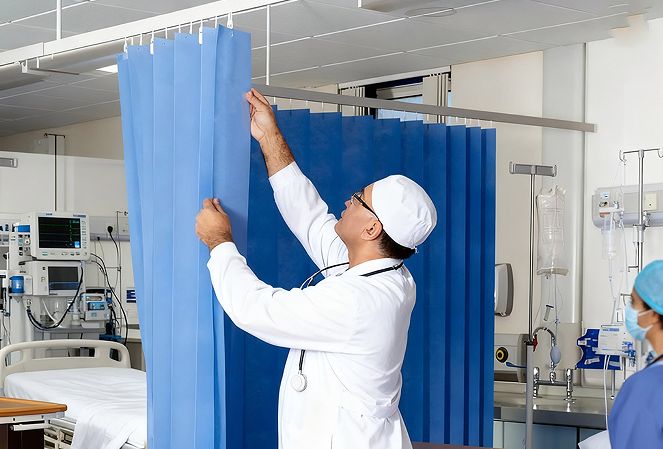
Healthcare Hygiene Standards Governing Medical Curtains
CDC, Joint Commission, and CMS Requirements for Medical Curtain Hygiene Compliance
Medical curtains in patient care areas need regular replacement according to CDC guidelines whenever they become visibly dirty or have come into contact with infectious materials. Hospital fabrics must also hold up against multiple rounds of strong disinfectants without breaking down over time. The Joint Commission keeps tabs on this through documented cleaning schedules and makes sure staff knows proper procedures. If hospitals don't follow these rules, they risk losing their accreditation status. Meanwhile, CMS connects Medicare payments directly to how well facilities maintain curtain hygiene standards. Inspectors show up without warning to check if protocols are actually being followed. When problems arise, facilities might face financial penalties that could cut into up to 5 percent of their yearly Medicare reimbursements, according to recent compliance reports. All three regulatory bodies see these seemingly simple curtains as important parts of infection control rather than just decorative items hanging on walls. Proper record keeping, staff responsibility, and using materials tested specifically for healthcare settings are all essential components of maintaining safe environments for patients.
NFPA 701 (Flammability), ISO 20743 (Antimicrobial Efficacy), and FDA 510(k) Oversight: What Each Standard Measures
Three foundational standards govern medical curtain safety and function:
| Standard | Primary Measurement | Healthcare Impact |
|---|---|---|
| NFPA 701 | Flame propagation speed | Prevents fire spread in oxygen-rich wards |
| ISO 20743 | Log reduction of pathogens | Validates antimicrobial efficacy claims |
| FDA 510(k) | Material biocompatibility | Clears curtains making medical claims |
The NFPA 701 standard basically demands that fabrics stop burning on their own within just two seconds, which is absolutely essential when dealing with materials in areas where oxygen levels are naturally higher. When it comes to proving how well something fights germs, there's ISO 20743 that actually measures reductions in pathogens like MRSA at least three logs down in lab settings. This test serves as pretty much the only real way to back up those antimicrobial claims manufacturers love making. Now here's the catch: FDA 510(k) approval only matters for curtains specifically sold as having infection prevention features, but this clearance only confirms the material isn't toxic, not whether it actually works against microbes. And let's face facts – according to the 2023 Textile Standards Audit, nearly 4 out of every 10 antimicrobial curtains don't pass the ISO 20743 test when independently checked. So what does this mean? Manufacturer promises simply aren't enough when doctors need reliable data to make decisions about patient safety.
Infection Control Risks Posed by Non-Compliant Medical Curtains
Curtains as High-Touch Vectors: MRSA, C. diff, and HAIs – Evidence from AJIC 2022 Meta-Analysis
Those hospital privacy curtains aren't just for covering patients up. They actually become breeding grounds for all sorts of germs because so many hands pass over them throughout the day. According to research published in the American Journal of Infection Control back in 2022, nearly half (about 42%) of the curtains they tested had MRSA contamination on them, and this seems to line up pretty well with higher rates of hospital acquired infections overall. Worse still, certain dangerous bacteria like C. difficile and VRE can stick around on those polyester curtain materials for weeks at a time, spreading easily whenever nurses or doctors move between rooms. The Centers for Disease Control puts the annual cost of hospital infections somewhere around $45 billion, with these fabric surfaces playing a significant role in that number if hospitals don't treat them seriously as part of their infection control strategy.
C. diff Spore Survival on Textiles: Why Standard Cleaning Fails Without Verified Fabric Performance
The C. diff spores can stick around for nearly three months on regular hospital curtain materials and they just don't budge when exposed to common quat-based disinfectants either. The act of washing these fabrics actually helps spread the live spores around, and those same quats gradually wear down the fabric itself over time. Fabrics that have passed the ISO 20743 antimicrobial certification test cut down spore survival rates by almost all (about 99.9%) within just a few hours. But here's the catch - only about one out of eight hospitals in America are using these certified materials. Because of this gap, most facilities end up replacing their old curtains every three to six months to keep outbreaks at bay. That compares to twelve months or longer for the properly treated fabrics, showing clearly how much better performing materials can save money and prevent infections simultaneously.
Evaluating Antimicrobial Medical Curtains: Certification, Efficacy, and Real-World Limitations
ISO 20743 Testing Demystified: Silver-Ion vs. Quat-Treated Fabrics in Clinical Settings
The ISO 20743 standard tests how well antimicrobial treatments work through set procedures like agar plate testing and absorption methods. These tests look at how much bacteria gets reduced in percentage terms when exposed to important germs such as MRSA and Clostridium difficile over a full day period. Silver ion technology works differently from other approaches because it interferes with the way microbes replicate their DNA, giving protection that lasts longer. On the flip side, quaternary ammonium compounds basically tear apart cell walls but need moisture to actually kick in. What happens in controlled labs though isn't really what we see out there in practice. Research indicates that changes in regular humidity levels can affect how these antimicrobials perform anywhere between 15% to almost half their effectiveness, especially in drier settings where Quats just don't cut it. So while getting that ISO 20743 certification matters, what really counts for actual results is making sure the fabric chemistry matches up with the specific environmental factors present in each facility location.
FDA Warning Letters and Certification Gaps: When 'Antimicrobial' Claims Don’t Equal Infection Prevention
The FDA's 510(k) clearance process checks whether materials used in antimicrobial labeled curtains are safe for contact with humans, but doesn't actually back up any claims about preventing infections. Looking at recent data from medical device inspections in 2023, around one third of these products don't meet the ISO 20743 standards for proper antimicrobial testing, which puts hospitals at risk both legally and medically. From 2022 through last year, the FDA sent out seven official warnings to companies making false statements about infection prevention, failing to mention risks of surface contamination, or using prohibited chemicals such as triclosan derivatives. What matters most is understanding that getting certified only shows effectiveness against pathogens in controlled lab settings, not necessarily in actual hospital environments where HAIs occur. Research published in the American Journal of Infection Control looked at ICU wards and discovered essentially no difference in healthcare associated infection rates between rooms with treated curtains versus regular ones when staff followed exactly the same cleaning procedures. This suggests that while special fabrics might help, they can't substitute for thorough cleaning practices across the board.
Operational Protocols for Medical Curtain Management: Replacement, Documentation, and Audit Readiness
Managing hospital curtains effectively means creating policies that balance infection control risks with what regulators expect. When deciding when to replace these curtains, facilities should focus on actual contamination incidents like Clostridium difficile exposure rather than following generic schedules. The replacement window varies depending on the fabric type too - around three months for regular textiles versus over twelve months for those meeting ISO 20743 standards. Good records are essential here. Facilities need to track when curtains were installed or replaced, keep detailed cleaning records with exact times, store all material certifications particularly ISO 20743 documents, and maintain information about each batch in case recalls become necessary. Many hospitals are now moving toward digital documentation systems, some even starting to implement blockchain technology according to new industry guidelines set for 2025. This makes audits much smoother since missing paperwork causes about one third of CMS compliance issues during Joint Commission checks. Hospitals must always have clear evidence showing they follow CDC cleaning rules, meet fire safety standards from NFPA 701, and properly validate their curtain materials through ISO 20743 testing. These practices aren't just bureaucratic hurdles but real protections against fines when inspectors show up unexpectedly.
Table of Contents
- Healthcare Hygiene Standards Governing Medical Curtains
- Infection Control Risks Posed by Non-Compliant Medical Curtains
- Evaluating Antimicrobial Medical Curtains: Certification, Efficacy, and Real-World Limitations
- Operational Protocols for Medical Curtain Management: Replacement, Documentation, and Audit Readiness