 EN
EN

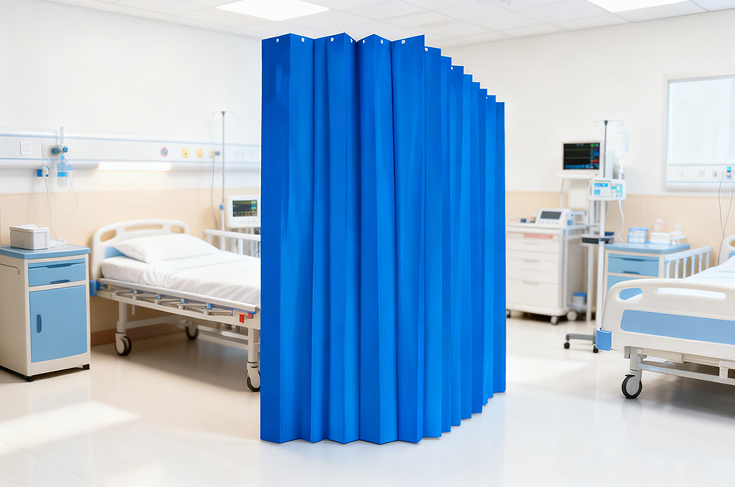
The Infection Control Imperative: Why Disposable Hospital Curtains Matter
Cubicle Curtains as Fomites in Healthcare-Associated Infections (HAIs)
In hospitals, those curtain panels hanging behind patient beds actually act as breeding grounds for germs. Studies have found that these materials start picking up harmful bacteria within just seven days of being put up, and after two weeks, about 92 percent test positive for dangerous microbes like MRSA and VRE. These fabric surfaces become real trouble spots for healthcare acquired infections (HAIs). The Centers for Disease Control reports that roughly one out of every thirty-one people in hospital beds gets infected each day from sources like this. Regular wash cycles don't cut it either because the fabric's texture catches and holds onto these pathogens. That's why many facilities are switching to disposable alternatives now. These single use curtains stop the spread from one patient to another completely. Made from special polypropylene material, they form a barrier against contamination that regular cloth just can't replicate.
CDC and CQC Evidence: Curtain Contamination Linked to Pathogen Transmission
The Centers for Disease Control and the UK's Care Quality Commission both list hospital room curtains as one of the top five dirtiest surfaces in clinical settings. According to CDC research, nearly half (around 42%) of all tested curtains had multidrug resistant germs on them. Meanwhile, studies from the CQC showed that hospitals still using reusable curtains saw about 30% more healthcare associated infections than those switching to disposables. When staff members grab hold of these contaminated fabrics and then go on to examine patients, they're basically passing along whatever bugs are lurking there. That's why many infection control policies now recommend getting rid of reusable textiles altogether. We're seeing this reflected in real world practices too, with more facilities making the switch to single use options as part of their ongoing efforts to keep patients safe from preventable illnesses.
Selecting the Right Disposable Hospital Curtains: Key Criteria
Material Science: Nonwoven Polypropylene vs. Laminated Fabrics for Barrier Integrity
When picking out disposable hospital curtains for infection control purposes, how well they block contaminants matters most. Nonwoven polypropylene materials have built-in resistance against fluids and microbes thanks to their special spunbond construction. This helps stop pathogens from getting through even at microscopic levels where our eyes can't see them. Laminated fabrics tell a different story though. They depend on chemical coatings that tend to break down after multiple rounds of disinfection or when subjected to regular wear and tear. Healthcare facilities need to keep these differences in mind when evaluating curtain options for their infection prevention protocols.
| Property | Nonwoven Polypropylene | Laminated Fabrics |
|---|---|---|
| Barrier Efficacy | High (intrinsic structure) | Variable (coating-dependent) |
| Fluid Resistance | Immediate repellency | Risk of delamination |
| Cost per Installation | Lower | 30–40% higher |
CDC studies confirm that contaminated surfaces like curtains contribute to 14% of HAIs–underscoring the need for materials with uncompromised integrity.
Antimicrobial Treatment vs. True Single-Use Design: What Reduces Risk Most?
While antimicrobial treatments temporarily inhibit microbial growth, they do not prevent biofilm accumulation in fabric weaves or eliminate reprocessing risks. A landmark study found 92% of treated curtains harbored viable pathogens within three weeks despite routine cleaning. True infection control prioritizes single-use design:
- Eliminates reprocessing risks and cross-contamination
- Guarantees barrier integrity for every patient admission
- Aligns with CQC’s evidence-based guidance for high-risk zones
The CDC’s HAI reduction strategy emphasizes disposable barriers over surface treatments, citing a 57% lower transmission rate in units using non-reusable curtains.
Regulatory Compliance and Certification Requirements for Disposable Hospital Curtains
Healthcare facilities must rigorously verify compliance frameworks when sourcing disposable hospital curtains, as non-compliant products expose patients to preventable infection risks and regulatory penalties.
FDA Clearance, ISO 13485 Manufacturing Standards, and CQC Hygiene Validation
In the United States, getting FDA 510(k) clearance becomes necessary when manufacturers want to make antimicrobial claims about their hospital curtains. This process includes doing biocompatibility tests according to ISO 10993 standards to prove materials are safe for patients. When looking at suppliers, healthcare facilities would be wise to focus on those with ISO 13485 certification. This quality management system has actually cut down manufacturing problems by around 43% in the textile industry for medical products. Over in the UK, things work differently but similarly strict. The Care Quality Commission requires hospitals to have their curtain materials tested by independent labs against dangerous germs such as C diff and MRSA. Research indicates that when hospitals follow these CQC guidelines properly, they see about a 31% drop in how often healthcare associated infections spread through contaminated surfaces.
Optimizing Infection Control Through Implementation Best Practices
Evidence-Based Replacement Schedules: Aligning with CQC’s 3–6-Month Guidance
According to the Care Quality Commission (CQC), hospital staff should replace those single-use curtains somewhere between three to six months. Why? Well, studies have found that after about half a year, germs start building up quite significantly, with contamination levels jumping around 65%. Hospitals are now turning to digital tools and color coded tags to keep track of when things need changing. These systems help avoid situations where someone just guesses if a curtain is old enough to be swapped out. When facilities actually stick to this replacement schedule, it makes a real difference in cutting down on harmful microbes floating around the environment. And let's face it, fewer pathogens means better chances at preventing healthcare associated infections overall.
Safe Handling Protocols: PPE, Workflow Integration, and Waste Stream Management
Proper handling starts with following PPE rules strictly. Workers need to put on gloves and gowns when taking down curtains so they don't touch anything contaminated directly. Getting rid of these items shouldn't just happen whenever someone feels like it but needs to fit into regular cleaning routines. Best practice is to schedule this work during times when there aren't many people around, which helps keep things running smoothly without causing too much hassle. Once used, those curtains go straight into special clinical waste bags right away. Then they follow whatever local rules exist for biomedical waste disposal. Training sessions for staff about separating different types of waste and how everything fits together in daily operations makes sure everyone stays compliant with regulations while also protecting both patients and hospital staff from potential risks.