 EN
EN

Disposable Hospital Curtains: A Smarter Solution for Infection Control in Healthcare Facilities
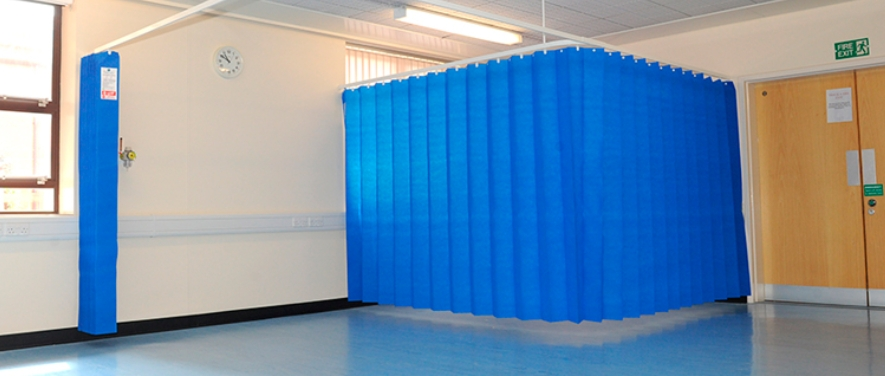
In modern healthcare environments, infection control goes far beyond surface disinfection and hand hygiene. Hospital privacy curtains, one of the most frequently touched soft surfaces, have become a hidden risk factor for cross-contamination and healthcare-associated infections (HAIs). As a result, disposable hospital curtains are increasingly being adopted as a safer and more efficient alternative to traditional reusable curtains.
Research shows that hospital curtains often harbor dangerous pathogens such as MRSA, VRE, Clostridium difficile, and Staphylococcus aureus, making them a direct transmission pathway between patients, visitors, and healthcare staff. Because curtains are touched daily and rarely cleaned effectively, they become high-risk contamination surfaces in wards, ICUs, and emergency departments.
When Should Disposable Hospital Curtains Be Replaced?
Immediate replacement is required when curtains are:
・ Visibly soiled or stained
・ Contaminated with body fluids
・ Used in isolation rooms
・ Removed after patient discharge from high-risk areas
In addition to immediate triggers, structured replacement schedules are essential:
・ General wards: Every 1–3 months
・ High-traffic areas (ER, ICU, clinics): Monthly or more frequently
・ Low-risk areas: Every 3–6 months
This structured approach balances hygiene safety with operational efficiency.
Why Disposable Hospital Curtains Improve Infection Control
Disposable curtains provide a clean barrier for every patient, effectively reducing bacterial accumulation and eliminating cross-contamination risks. Unlike reusable curtains, they do not require laundering, preventing residual pathogen survival and reinfection cycles.
Key benefits include:
・ Reduced HAIs and infection risks
・ Improved environmental hygiene
・ Lower operational complexity
・ Faster replacement processes
・ Better compliance with infection control protocols
Cost Efficiency and Operational Value
Beyond safety, disposable hospital curtains deliver measurable cost advantages. Hospitals reduce expenses related to laundering, logistics, labor, and infection-related treatments. Studies have shown that structured curtain replacement programs can generate significant annual cost savings, while improving hygiene standards and workflow efficiency.
Conclusion
Disposable hospital curtains are no longer just a product upgrade—they are a strategic infection control solution. By combining immediate replacement protocols with scheduled change cycles, healthcare facilities can significantly reduce infection risks, improve patient safety, and optimize operational efficiency.
In today’s healthcare environment, disposable hospital curtains represent a smarter, safer, and more sustainable approach to infection prevention.