 EN
EN

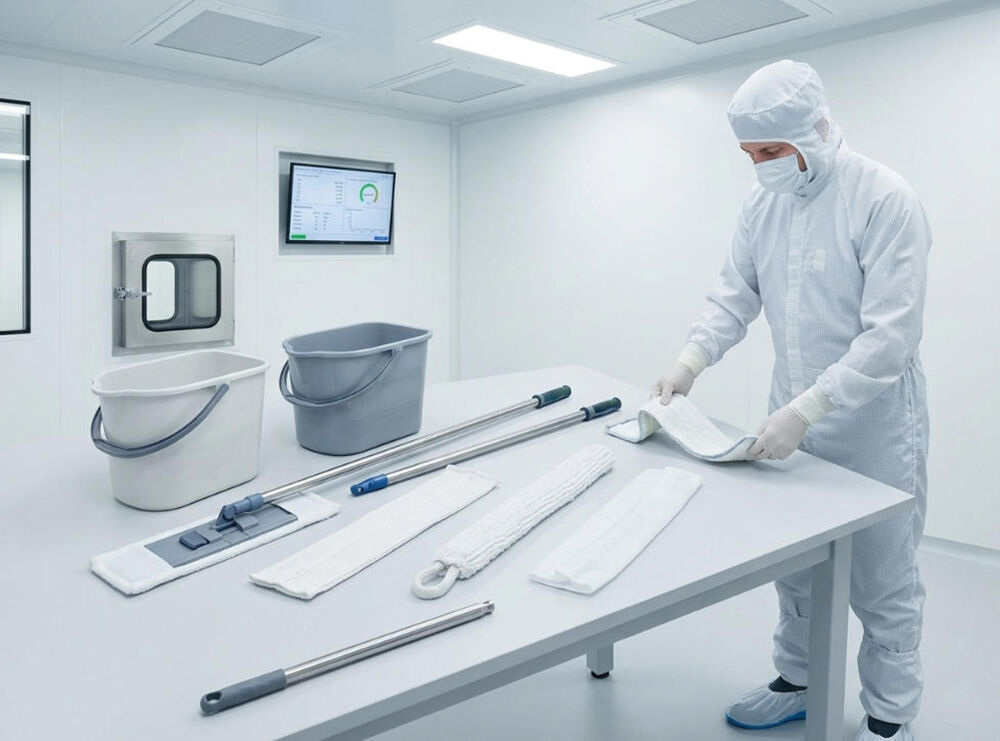
Pagsunod sa ISO 14644-1: Pagtutugma ng mga Basahan para sa Cleanroom sa mga Klasipikasyon ng Kapaligiran
Kung paano tinutukoy ng mga limitasyon sa bilang ng partikulo sa ISO Class 1–9 ang katanggap-tanggap na pagkawala (shedding) at kahusayan sa paglilinis ng mga basahan para sa cleanroom
Ang pamantayan ng ISO 14644-1 ay nagtatakda ng pinakamataas na konsentrasyon ng mga partikulong nasa hangin para sa bawat klase ng cleanroom—na direktang sumasakop sa payagan o pinapayagang pagkawala (shedding) at pagganap sa paglilinis ng mga basahan para sa cleanroom. Halimbawa, ang isang kapaligiran na ISO Class 5 ay nagpapahintulot lamang ng hindi hihigit sa 3,520 partikulo na may sukat na ≥0.5 µm bawat kubikong metro. Upang manatiling sumusunod sa pamantayan, ang mga basahan ay dapat gawa sa mga materyales na may mababang pagkawala ng alikabok (low-linting) at hindi nagpapakawala ng mga hibla (non-shedding), tulad ng mikrofiber na may patuloy na hibla (continuous-filament microfiber) o mga nonwoven na may gilid na nakaseal. Sa mas mahigpit na kapaligiran—mga ISO Class 1–3—ang kaluwangan para sa kamalian ay nawawala: anumang basahan na gagamitin dito ay kailangang dumadaan sa Helmke Drum testing upang mapatunayan na ang paglabas ng partikulo ay nananatiling malayo sa ibaba ang hangganan ng klase (halimbawa, ≤10 partikulo/m³ sa ≥0.1 µm para sa ISO Klase 3). Mahalaga, ang kahusayan sa paglilinis ay nakabase sa klase—ang isang basahan na epektibo sa ISO Klase 8 ay maaaring magdulot ng hindi tinatanggap na kontaminasyon sa hangin sa ISO Klase 5. Ang pagpili, kaya, ay nakasalalay sa pagpapatunay ng pagganap ng basahan sa pagbubuhos ng mga partikulo laban sa numerikal na threshold ng partikulo ng kanyang ninanais na kapaligiran.
Bakit dapat sumabay ang pagpapatunay ng basahan sa mga threshold ng konsentrasyon ng partikulo sa hangin (halimbawa, ≤10 partikulo/m³ sa 0.1 µm para sa ISO Klase 3)
Ang pagpapatunay ng basahan ay hindi opsyonal—kinakailangan nitong magsabay nang pang-quantitatibo sa mga limitasyon sa konsentrasyon ng partikulo sa hangin ng target na ISO klase. Sa ISO Klase 3, kung saan pinahihintulutan lamang ang ≤10 partikulo na may sukat na ≥0.1 µm bawat kubikong metro, ang anumang maliit na pagbubuhos ng hibla o paglabas ng mikro-partikulo habang ginagamit ay maaaring magdulot ng pagkakamali sa datos ng pagsubaybay sa kapaligiran at mag-trigger ng hindi pagkakasunod sa regulasyon. Kinakailangan ang pamantayang pagsusulit—tulad ng Helmke Drum test o mga pagsusulit sa paglabas ng partikulo sa ilalim ng kondisyon na basa—upang mapatunayan na ang mga emisyon ay nananatiling nasa ibaba ang tiyak na threshold para sa klase. Ang pagpapatunay ay dapat ring sumasalamin sa mga kondisyon ng operasyon sa pinakamasamang kaso, kabilang ang paulit-ulit na mekanikal na stress, kemikal na saturasyon, at maramihang siklo ng paglalaba. Kung wala ang ganitong rigor, ang paglilinis ay nagdudulot ng hindi kontroladong mga variable ng kontaminasyon—na sinisira ang garantiya ng esterilidad sa Grade A/B na aseptic na mga zona at binabantaan ang integridad ng produkto.
Mga Pamantayan sa Agham ng Materyales: Mga Cleanroom na Walis na May Mababang Pagkakalint, Hindi Nagbabagang, at Tinitiyak ang Resistensya sa Kemikal
Microfiber laban sa polyester–polypropylene na halo: Datos mula sa Helmke Drum test (≤50 partikulo >0.5 µm/m²) para sa mga sertipikadong cleanroom na walis
Ang pagpili ng materyales ay nakabatay sa sinusukat na pagkakalabas ng mga particle. Ang mga sertipikadong walis na ginagamit sa cleanroom ay kailangang magpakita ng ≤50 partikulo na may sukat na >0.5 µm bawat metro kuwadrado sa Helmke Drum test—ang pamantayan na ito ay sumasalamin sa tunay na mekanikal na stress sa kapaligiran. Ang mga walis na gawa sa microfiber—na karaniwang binubuo ng halo ng split polyester at polyamide—ay gumagamit ng ultra-mahihinang mga hibla at elektrostatikong atraksyon upang mahuli ang mga partikulong mas maliit sa isang micron habang pinipigilan ang kanilang paglabas. Ang mga halo ng polyester at polypropylene ay nag-aalok ng mas mataas na tensile strength at mas malawak na resistensya sa kemikal, ngunit nangangailangan ng mga gilid na may seal upang maiwasan ang pagkakalabas ng mga fiber sa gilid. Para sa mga kapaligiran na ISO Class 4–5, ang mga walis na gawa sa double-knitted polyester ay nagpapakita ng na-probekang balanseng pagitan ng mababang pagkakalabas ng lint, tibay, at kalinisan. Bagaman ang mga nonwoven at foam-wrapped na disenyo ay may tiyak na gamit sa ilang espesyalisadong aplikasyon, bihira silang makakamit ang threshold na ≤50 partikulo/m². Mahalaga, anumang walis na gagamitin sa mga GMP Grade A/B na lugar ay kailangang may sertipikasyon mula sa third-party Helmke Drum—not just manufacturer claims—upang mapatunayan ang pagsunod sa mga kinakailangan.
Mga batayan para sa kah совместимость ng disinfectant ayon sa ASTM F2990: pagtutol sa IPA, hydrogen peroxide, at quaternary ammonium sa mga mop na ginagamit ulit sa cleanroom
Ang mga mop para sa cleanroom na maaaring gamitin muli ay kailangang panatilihin ang kanilang istruktural at pang-fungsyon na integridad sa kabuuan ng paulit-ulit na pagdidisinfect. Ang ASTM F2990 ay nagbibigay ng opisyal na pamamaraan para sa pagsusuri ng pagtutol sa kemikal—na sinusukat ang mga pagbabago sa lakas ng paghila (tensile strength), timbang, at anyo ng ibabaw matapos ang pagkakalantad sa 70% isopropyl alcohol (IPA), hydrogen peroxide (3–6%), at mga compound na quaternary ammonium. Ang mataas na performans na halo ng polyester at polypropylene ay karaniwang nananatiling may ≥90% ng orihinal na lakas ng paghila kahit pagkatapos ng 25 ulit na paggamit kasama ang lahat ng tatlong ahente. Samantalang ang mga microfiber mop ay lubhang tumutol sa IPA at sa mga quats, nagpapakita sila ng unti-unting pagkabrittle ng mga hibla kapag patuloy na inilalantad sa hydrogen peroxide—na nagdudulot ng patuloy na pagtaas ng paglabas ng mga partikulo sa paglipas ng panahon. Dapat humiling ang mga operator ng buong ulat ng pagsusuri ayon sa ASTM F2990 na naaayon sa tiyak na pag-ikot ng mga disinfectant sa kanilang pasilidad. Ito ay nagsisiguro ng pangmatagalang katiyakan, binabawasan ang di-inaasahang pagpapalit, at tinatanggal ang kemikal na degradasyon bilang isang nakatagong vector ng kontaminasyon.
Mga Kinakailangan sa Disenyo at Konstruksyon para sa Maaasahang Pagganap ng Basahan sa Cleanroom
Mga gilid na pinainit at pinagsama gamit ang ultratunog: binabawasan ang pagkawala ng mga hibla sa mga aseptic na zona ng Baitang A/B
Sa mga aseptic na zona ng Baitang A/B, ang pagkawala ng mga hibla ay hindi maaaring mabawasan—kailangan itong idisinyo upang maiwasan . Ang mga gilid na pinainit at pinagsama gamit ang ultratunog ay nag-aalis ng mga malalayang hibla sa pamamagitan ng pagpapakadikit ng mga layer ng materyal sa paligid, kabaligtaran ng mga gilid na tinutupi o tinatahi na nagkakaroon ng fraying sa paglipas ng panahon. Ang konstruksyon na ito ay tumatagal ng paulit-ulit na paglalaba, agresibong mga disinfectant, at mekanikal na pagpapalambot nang hindi nawawala ang kanyang mababang pagkakalabas ng lint—kaya ito ay hindi pwedeng balewalain para sa mga aplikasyon na ISO Class 1–5.
Mga frame na ligtas sa ESD at kahusayan ng wringer: pinipigilan ang electrostatic discharge at mekanikal na kabiguan habang isinasagawa ang mahalagang paglilinis
Ang electrostatic discharge (ESD) ay umaakit ng mga particle na nasa hangin at nanganganib na makapinsala sa mga sensitibong electronics o makagambala sa mga sterile na proseso. Ang mga cleanroom mop para sa paggamit sa parmasyutiko at semiconductor ay dapat maglaman ng mga frame na ligtas sa ESD—gawa sa mga conductive na plastik o metal—na maaasahang naglalabas ng mga static charge sa lupa. Gayundin kahalaga ang integridad ng wringer: ang mga mekanismo ay dapat maghatid ng pare-pareho at paulit-ulit na kontrol sa moisture nang hindi nasisira, nabibitak, o nababago ang hugis sa ilalim ng paulit-ulit na pagkakalantad sa kemikal. Ang isang nakompromisong wringer ay humahantong sa hindi pare-parehong pagdikit sa ibabaw, hindi makontrol na pagtulo, o muling paggawa ng operator—na pawang nagdudulot ng panganib ng kontaminasyon sa mga kritikal na daloy ng trabaho sa paglilinis.
Pagsusuri at Sertipikasyon: Pagkamit ng ISO 14644-18:2023 para sa mga Basahan para sa Cleanroom
Inilathala noong 2023, ang ISO 14644-18 ay nagtatatag ng unang nakatuon na internasyonal na balangkas para sa pagtataya ng mga kagamitang pang-linis ng malinis na silid—kabilang ang mga walis-punot—sa lahat ng antas ng kontroladong kapaligiran. Ito ay nangangailangan ng pagsusulit na pang-fungsyon upang matiyak na ang mga walis-punot ay hindi sisira sa kontrol ng kapaligiran, kalidad ng produkto, o pagkakasunod sa regulasyon. Ang pamantayan ay may parehong aplikasyon sa mga walis-punot na gamit-isang-panahon at muling gagamitin, at nangangailangan ng dokumentadong ebidensya ng pagganap sa ilalim ng mga tiyak at muling maisasagawang kondisyon.
Ang pagsusulit na pang-fungsyon ay nangangailangan ng pagsusuri ng paglabas ng mga partikulo, profiling ng mga ekstraktibol, at kontrol sa mikrobial na bioburden (SAL 10⁻⁶) para sa mga esteril na walis-punot ng malinis na silid
Ang ISO 14644-18 ay tumutukoy sa tatlong haligi ng pagpapatibay na hindi pwedeng balewalain para sa mga walis-punot ng malinis na silid:
- Pagsusuri ng paglabas ng mga partikulo nauukol sa pagkuha ng dami ng pagkakalabas sa ilalim ng iminulat na paggamit, kung saan ang mga limitasyon para sa pagpasa/o pagkabigo ay direktang nauugnay sa target na ISO class—na pinatatatag ang pangunahing prinsipyo na ang pagganap ng walis-punot ay dapat tugma sa mga threshold ng partikulo ng kapaligiran.
- Pagsusuri sa Extractables nag-iidentipika ng mga compound na maaaring lumabas—mga residual na solvent, plasticizer, o monomer—na maaaring makapasok sa kapaligiran o makagambala sa kemikal na gamit sa pagdidisenyento. Ang mga materyales ay kailangang ipakita ang kanilang inertness sa ilalim ng mga relevanteng pH, temperatura, at kondisyon ng solvent.
- Pagsugpo ng microbial na bioburden nangangailangan ng esteril na mga walis para makamit ang isang sterility assurance level (SAL) na 10⁻⁶—ibig sabihin, hindi lalampas sa isang buhay na mikroorganismo bawat isang milyong yunit. Kasama sa validation ang mga napatunayang sterilization cycle (halimbawa: gamma, E-beam), bioburden monitoring, at pagsubok sa huling produkto ayon sa ISO 11137.
Ang lahat ng protokol sa pagsubok, mga parameter, at resulta ay dapat ma-track pabalik sa tiyak na disenyo ng walis, batch ng materyales, at lokasyon ng paggawa—upang matiyak ang pananagutan at muling pagkakaroon ng parehong resulta mula sa supplier hanggang sa punto ng paggamit.
Madalas Itanong
Ano ang pamantayan ng ISO 14644-1?
Ang ISO 14644-1 ay nagtatakda ng pinakamataas na payagan na konsentrasyon ng airborne particle para sa mga cleanroom ng iba’t ibang klase, na direktang nakaaapekto sa pagganap at mga materyales ng mga cleanroom mop.
Bakit mahalaga ang pagpapatunay sa walis-panghugas para sa pagsunod sa regulasyon?
Ang pagpapatunay sa walis-panghugas ay nagpapatiyak na ang pagkalabas ng mga partikulo at emisyon ay hindi lalampas sa mga threshold ng klase ng ISO, na nag-iimpede sa pagkabigo sa regulasyon at pananatiling kontrolado ang kalagayan ng kapaligiran.
Anong mga materyales ang inirerekomenda para sa mga walis-panghugas na ginagamit sa cleanroom?
Ang mga materyales na may mababang paglabas ng lint at hindi nagpapalabas ng mga partikulo—tulad ng microfiber at mga halo ng polyester-polypropylene—ay karaniwang ginagamit, depende sa mga tiyak na kinakailangan ng klase ng ISO.
Anong mga pamamaraan ng pagsusuri ang mahalaga para sa pagpapatunay sa walis-panghugas?
Ang pagsusuri gamit ang Helmke Drum, mga pagsusuri sa paglabas ng partikulo sa kinaliskis na estado (wet particle release assays), at ang pagsusuri sa pagtutol sa kemikal ayon sa ASTM F2990 ay mahalaga upang mapatunayan ang pagganap at pagsunod sa regulasyon ng isang walis-panghugas na ginagamit sa cleanroom.
Ano ang saklaw ng ISO 14644-18:2023?
Ang ISO 14644-18:2023 ay nagbibigay ng balangkas para sa pagsusuri sa mga konsumable na ginagamit sa cleanroom, kabilang ang paglabas ng partikulo, profiling ng mga extractables, at kontrol sa microbial bioburden, upang matiyak ang pagsunod sa regulasyon sa mga kontroladong kapaligiran.
Talaan ng Nilalaman
-
Pagsunod sa ISO 14644-1: Pagtutugma ng mga Basahan para sa Cleanroom sa mga Klasipikasyon ng Kapaligiran
- Kung paano tinutukoy ng mga limitasyon sa bilang ng partikulo sa ISO Class 1–9 ang katanggap-tanggap na pagkawala (shedding) at kahusayan sa paglilinis ng mga basahan para sa cleanroom
- Bakit dapat sumabay ang pagpapatunay ng basahan sa mga threshold ng konsentrasyon ng partikulo sa hangin (halimbawa, ≤10 partikulo/m³ sa 0.1 µm para sa ISO Klase 3)
-
Mga Pamantayan sa Agham ng Materyales: Mga Cleanroom na Walis na May Mababang Pagkakalint, Hindi Nagbabagang, at Tinitiyak ang Resistensya sa Kemikal
- Microfiber laban sa polyester–polypropylene na halo: Datos mula sa Helmke Drum test (≤50 partikulo >0.5 µm/m²) para sa mga sertipikadong cleanroom na walis
- Mga batayan para sa kah совместимость ng disinfectant ayon sa ASTM F2990: pagtutol sa IPA, hydrogen peroxide, at quaternary ammonium sa mga mop na ginagamit ulit sa cleanroom
- Mga Kinakailangan sa Disenyo at Konstruksyon para sa Maaasahang Pagganap ng Basahan sa Cleanroom
- Pagsusuri at Sertipikasyon: Pagkamit ng ISO 14644-18:2023 para sa mga Basahan para sa Cleanroom
-
Madalas Itanong
- Ano ang pamantayan ng ISO 14644-1?
- Bakit mahalaga ang pagpapatunay sa walis-panghugas para sa pagsunod sa regulasyon?
- Anong mga materyales ang inirerekomenda para sa mga walis-panghugas na ginagamit sa cleanroom?
- Anong mga pamamaraan ng pagsusuri ang mahalaga para sa pagpapatunay sa walis-panghugas?
- Ano ang saklaw ng ISO 14644-18:2023?