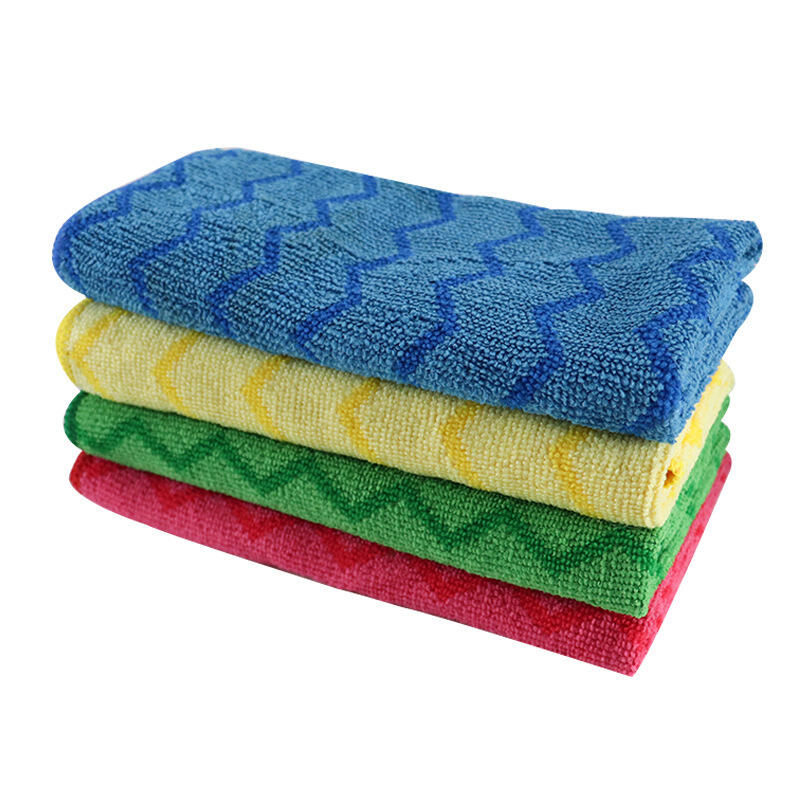
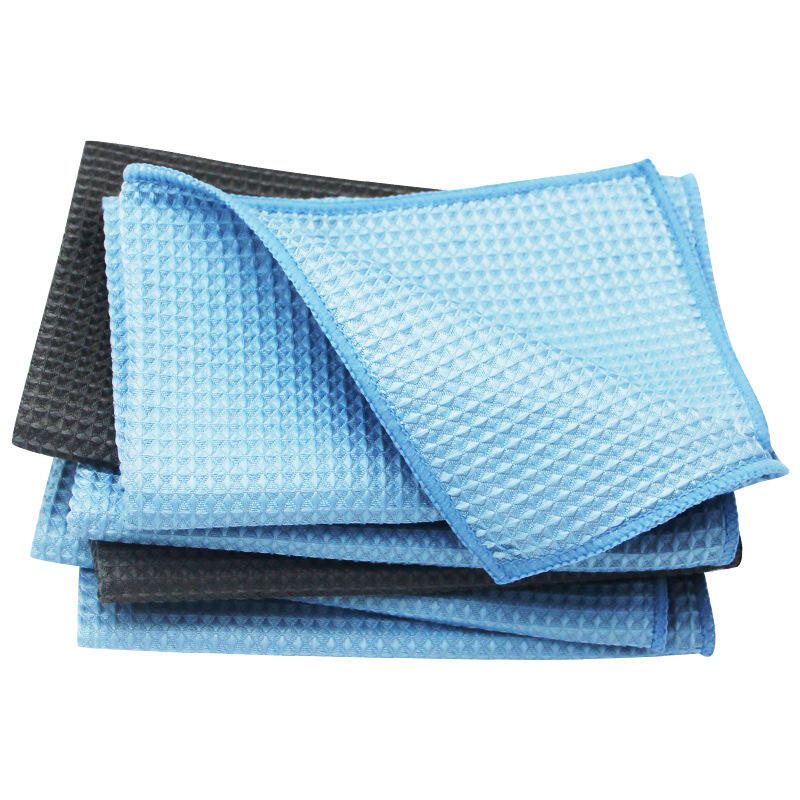
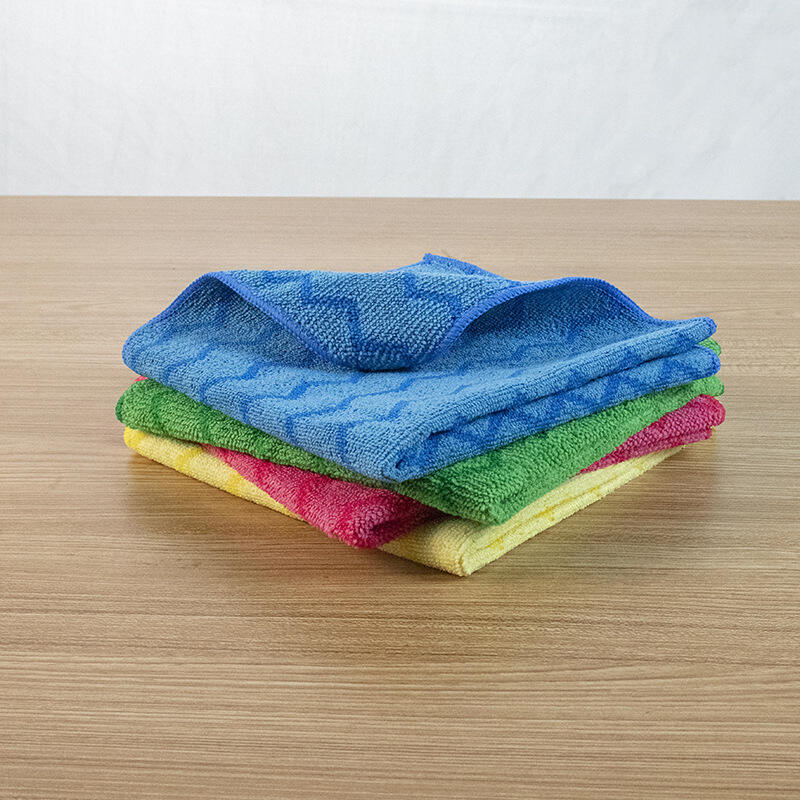
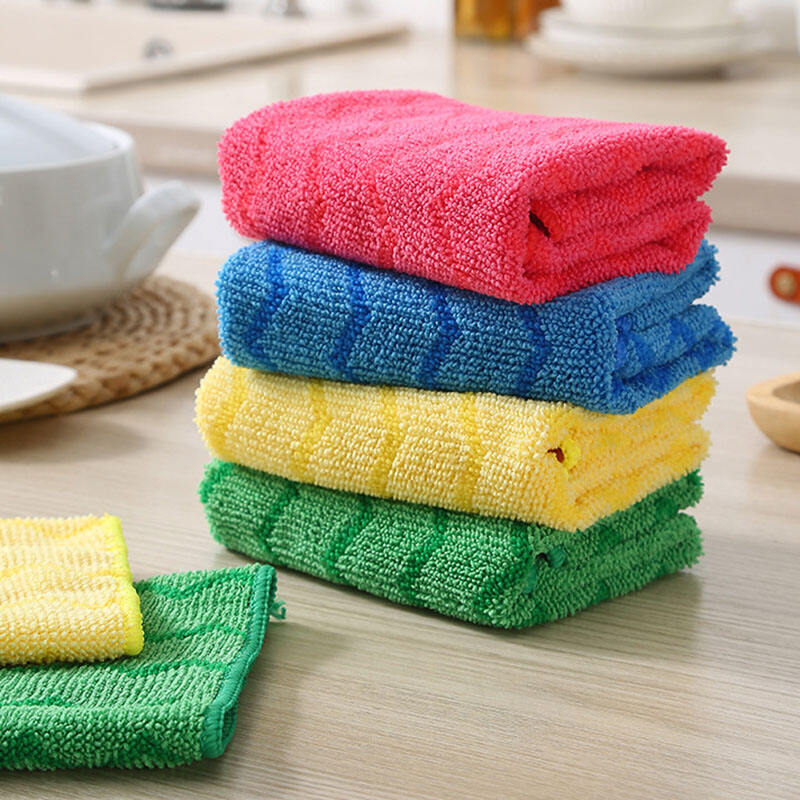
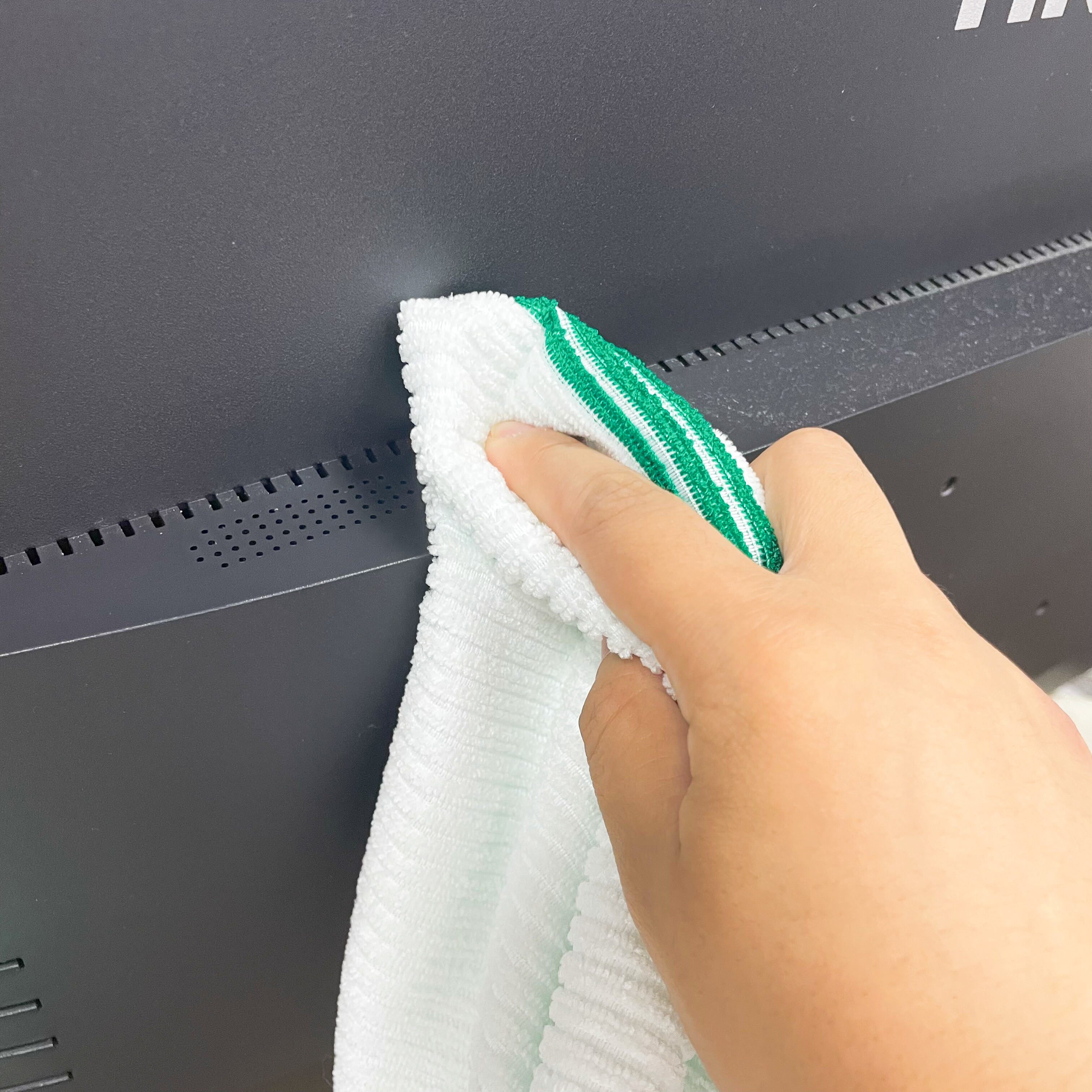
The tea towel, a staple in domestic and commercial kitchens worldwide, has evolved from a simple linen cloth into a highly engineered textile product. The contemporary towelling tea towel, characterized by its looped terry fabric, represents a deliberate application of material science to meet specific functional demands: superior liquid management, durability, hygiene, and tactile comfort. The efficacy of a towelling tea towel is fundamentally rooted in its fabric structure. The signature loops, whether made from cotton, polyester, or a strategic blend, are engineered to maximize surface area. Each loop acts as a tiny reservoir, capable of holding a significant volume of water through capillary action. The density, height, and twist of these loops are critical variables. A higher loop density with a medium pile often provides the optimal balance of quick absorption, adequate airflow for drying, and a soft surface that won't scratch delicate tableware. This engineering transforms the towel from a passive wipe to an active moisture-wicking tool, efficiently pulling water off wet dishes, glasses, and counter surfaces.
The choice of fiber composition is a strategic decision that dictates performance. Traditional 100% cotton towelling is prized for its natural softness and high absorbency. However, incorporating synthetic fibers like polyester, a core expertise at Esun drawn from our microfiber and non-woven background, introduces advanced performance characteristics. A cotton-polyester blend, for instance, significantly increases the towel's tensile strength and abrasion resistance, allowing it to withstand the rigors of commercial kitchen use and frequent industrial laundering without excessive wear or tearing. Polyester fibers also reduce drying time for the towel itself, inhibiting the damp environment where bacteria and mildew can proliferate. This blend approach directly addresses key concerns in the foodservice industry: operational longevity and hygienic maintenance. For high-volume environments like hotel banquet services or busy restaurants, a durable, fast-drying towel that maintains its appearance over hundreds of wash cycles is not a luxury but a cost-effective necessity.
Beyond pure functionality, the towelling tea towel holds significant practical and aesthetic value in service settings. In a professional kitchen or a front-of-house tea station, it is a multi-tool. Its absorbency makes it ideal for drying washed utensils or wiping down mise-en-place stations. Its fabric provides enough substance to offer a safe grip on hot handle lids or tray rims. The looped texture can also provide just enough gentle abrasion to buff a glass to a spot-free shine or scrub a stubborn spot off a countertop, all while remaining safe for surfaces. This versatility reduces the need for multiple single-use cloths, streamlining operations. Furthermore, its appearance contributes to brand perception. A clean, neatly hemmed, and uniformly colored stack of towelling tea towels in a café or bakery conveys a sense of order, professionalism, and care for detail. Through customization options like colored borders, jacquard weaving, or discrete logo embroidery, businesses can integrate this utilitarian item into their branded aesthetic, enhancing the overall customer experience.
Ultimately, selecting the right towelling tea towel involves a calculated assessment of use-case scenarios, durability requirements, and lifecycle costs. For a household user, it might prioritize softness and aesthetic appeal. For a catering company, the paramount factors are volume absorption, laundry resilience, and cost-per-use. The modern market demands towels that perform consistently under pressure while aligning with values like sustainability—hence the development of blends that last longer, reducing textile waste. At Esun, our commitment is to leverage our manufacturing and R&D capabilities to provide solutions across this spectrum. We encourage distributors, hospitality procurement managers, and retailers to contact our team. By sharing your specific application challenges—whether for a private-label home goods line or uniform kitchen textiles for a hotel chain—we can collaborate to specify the perfect fabric weight, blend ratio, and construction to create a towelling tea towel that delivers reliable performance and tangible value.
 EN
EN