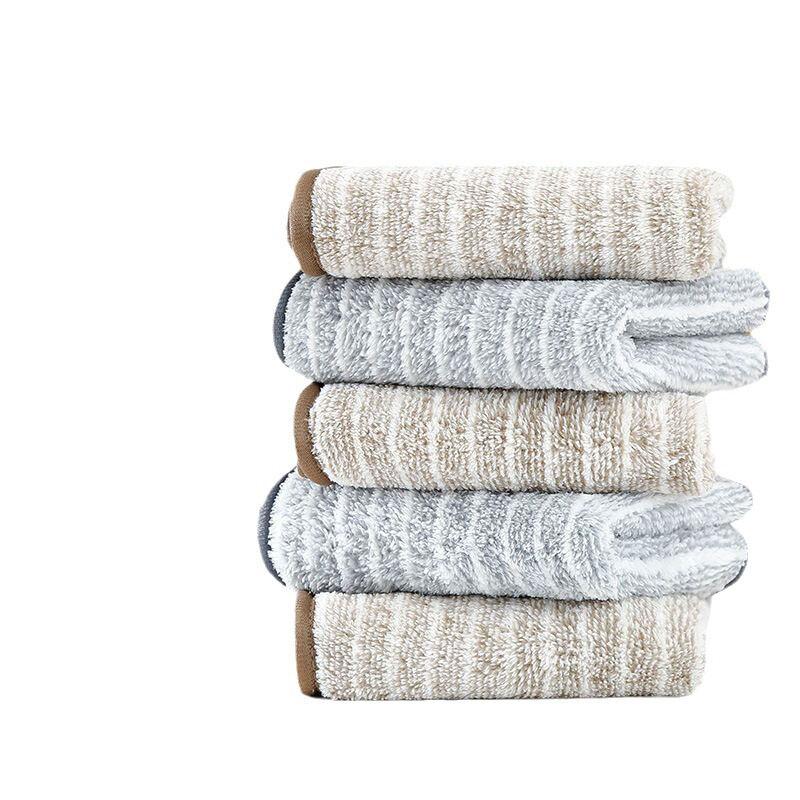
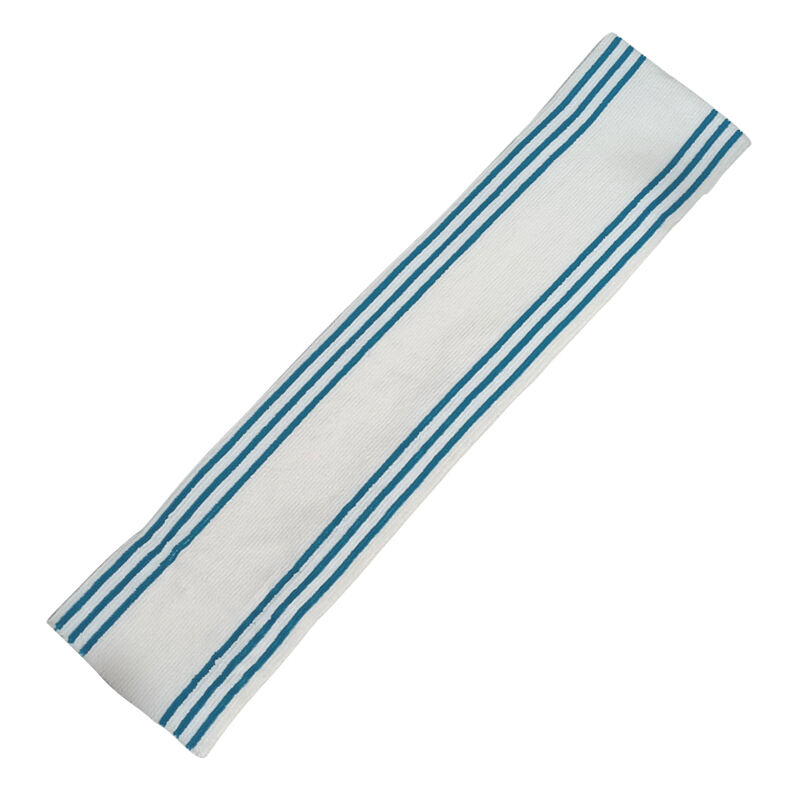
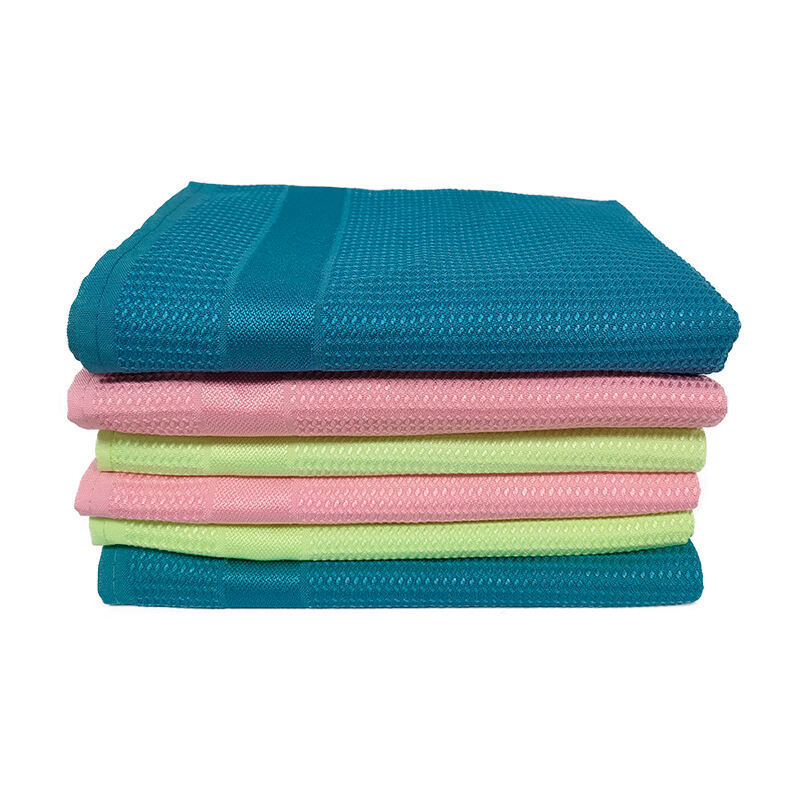
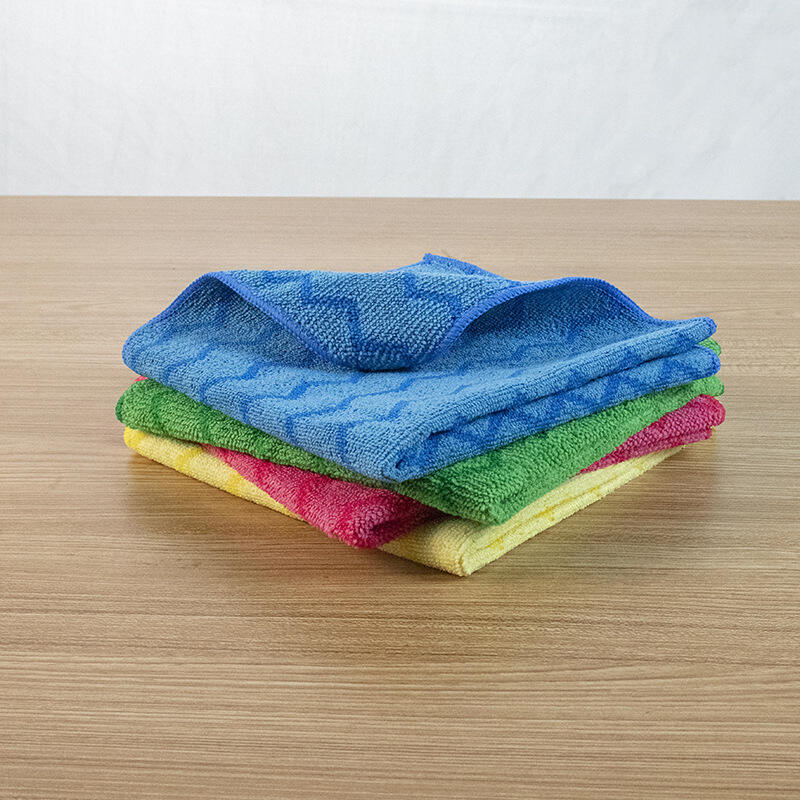
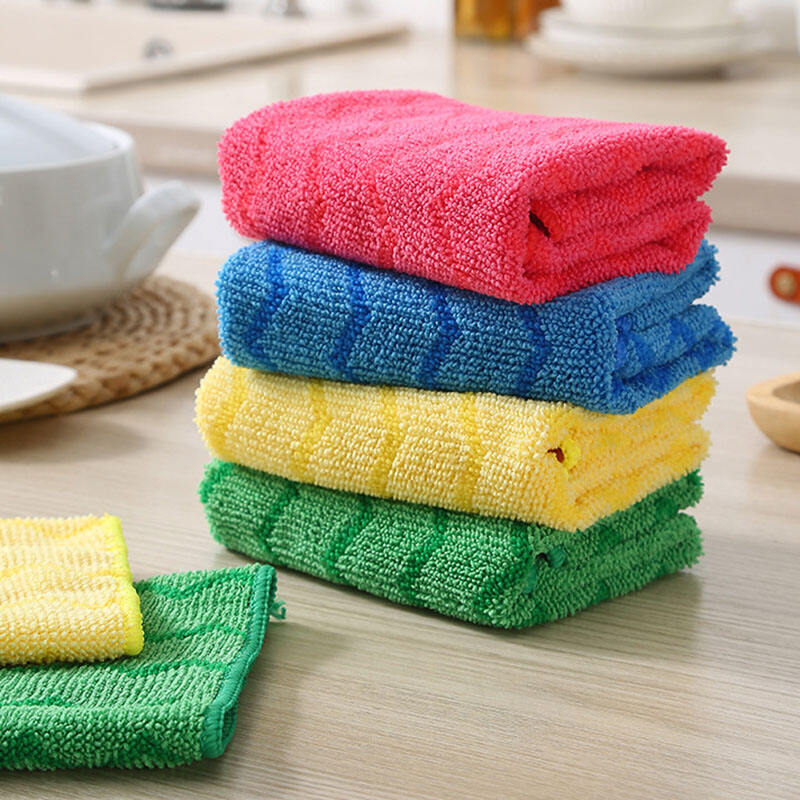
Within any culinary environment, from a bustling hotel galley to a home kitchen, maintaining cleanliness is a continuous process intertwined with every other activity. At the heart of this process lies a deceptively simple tool: the Kitchen Cloth. However, not all cloths are created equal. At Zhejiang Esun Environmental Technology, we approach the kitchen cloth not as a commodity, but as a critical component of an effective cleaning and sanitation system. A professionally engineered kitchen cloth directly influences efficiency, cross-contamination risk, surface care, and long-term operational costs, making its selection a decision of substantive importance.
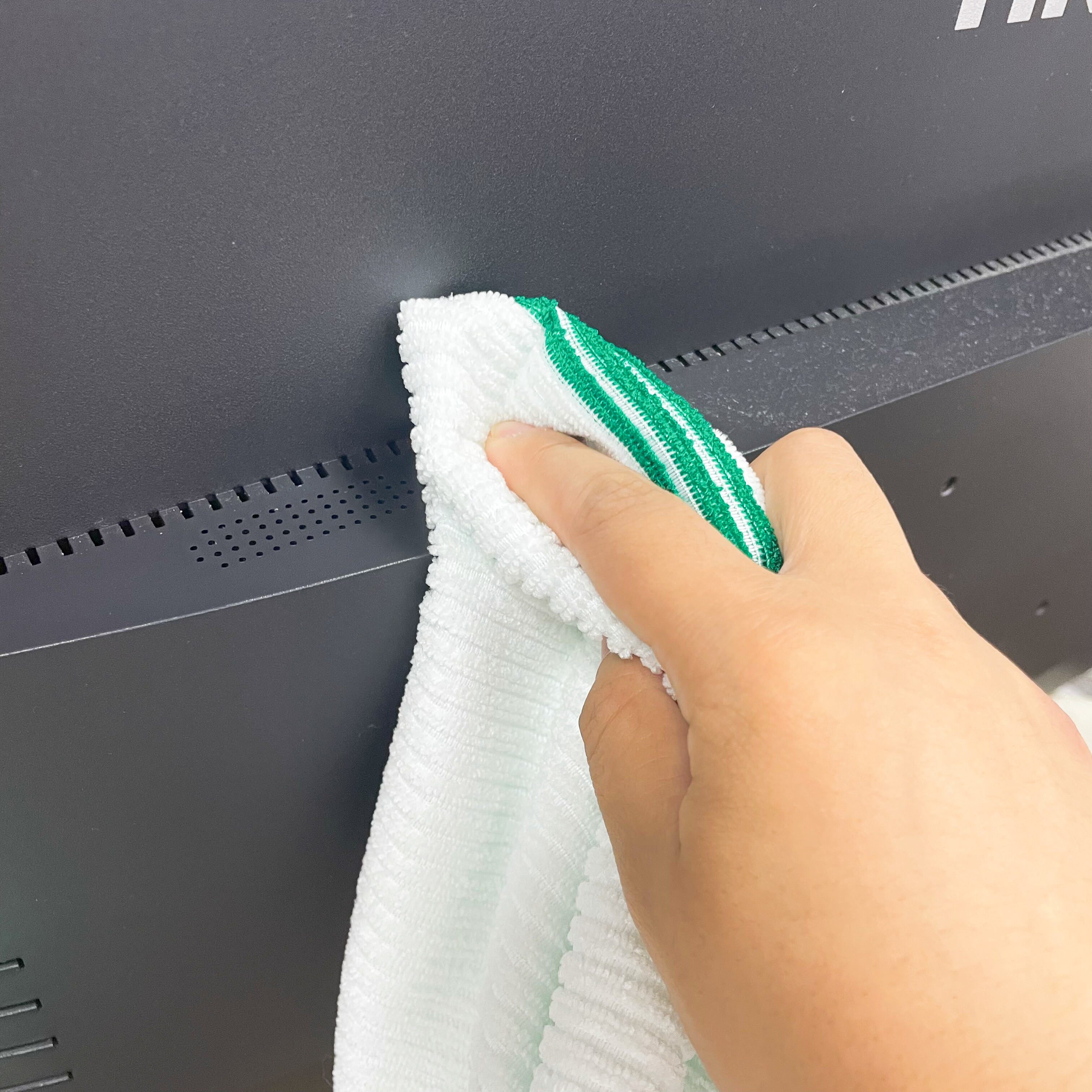
The primary function of a kitchen cloth is surface management—removing unwanted substances like food particles, liquids, oils, and soils. A high-quality microfiber cloth performs this task fundamentally differently than a traditional cotton rag. Microscopically, microfiber filaments are split to create a vast network of channels. This structure generates a strong capillary action, actively pulling and trapping contaminants within the cloth rather than merely spreading them. For a kitchen worker wiping a counter after preparing poultry, this means potential pathogens are captured and removed from the surface, rather than pushed to the edges. Similarly, when drying dishes or glassware, a premium microfiber cloth absorbs all moisture in a single pass, leaving a spotless, streak-free finish that enhances presentation—a critical detail in hospitality. This efficient capture-and-hold action reduces the number of passes needed per task, saving time and labor.
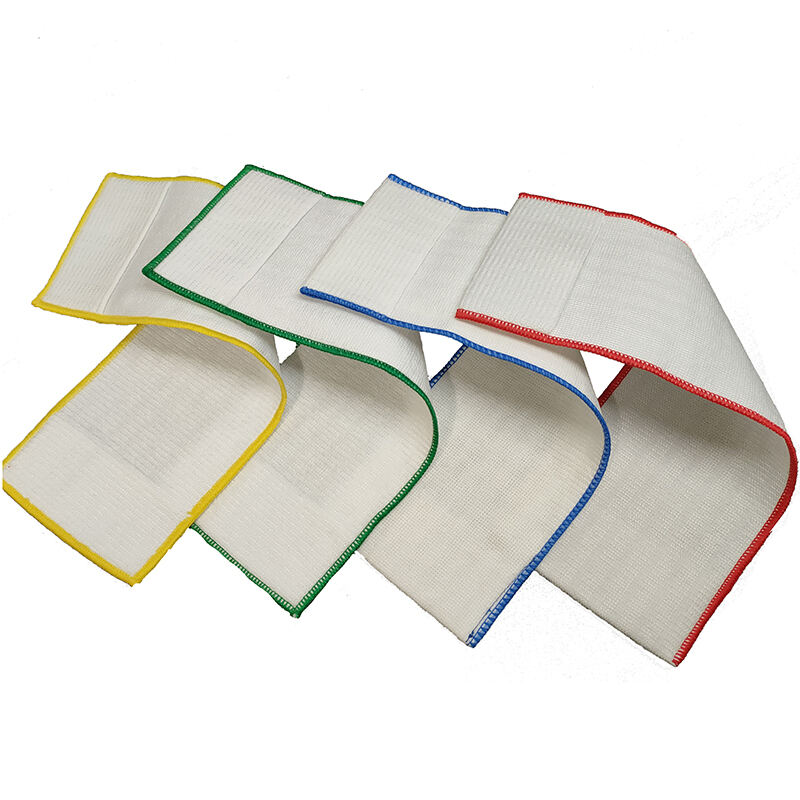
The application scope for a versatile, high-performance kitchen cloth is extensive. In a commercial setting, different colors can be integrated into a Hazard Analysis and Critical Control Points (HACCP)-inspired color-coding system to prevent cross-contamination—for example, using blue cloths exclusively for general surface cleaning and red cloths for areas involving raw meat. The cloth’s ability to be thoroughly sanitized in high-temperature wash cycles supports this protocol. In baking sections, a lint-free cloth is indispensable for dusting flour or gently greasing pans without leaving fibers. For bartenders, a soft, absorbent cloth ensures bar tops and glass rims are perfectly clean and dry. At home, a durable Esun kitchen cloth can transition seamlessly from washing dishes to cleaning kitchen appliances to wiping dining tables, offering households a reliable and sanitary alternative to sponges or paper towels that often harbor bacteria.
From a management and sustainability perspective, the choice of kitchen cloth has direct financial and environmental implications. Disposable paper towels and low-quality cloths that require frequent replacement create ongoing procurement costs and waste streams. A durable, reusable kitchen cloth, designed for hundreds of uses, presents a compelling economic argument. The initial investment is quickly offset by the drastic reduction in disposable product purchases. For large institutions like schools, corporate cafeterias, or restaurant chains, this translates to measurable annual savings. Environmentally, shifting to reusable cloths significantly reduces the volume of paper and textile waste sent to landfills. Furthermore, because high-quality microfiber cloths often require less water and detergent for effective cleaning during use, and can be laundered efficiently in full loads, their overall environmental footprint is minimized. We encourage you to contact our sales team to request samples and a detailed consultation. Our experts can discuss the specific fiber compositions, weights, and formats available to best match your operational needs, volume requirements, and sustainability goals, providing a tailored solution that delivers practical, day-to-day value.
 EN
EN