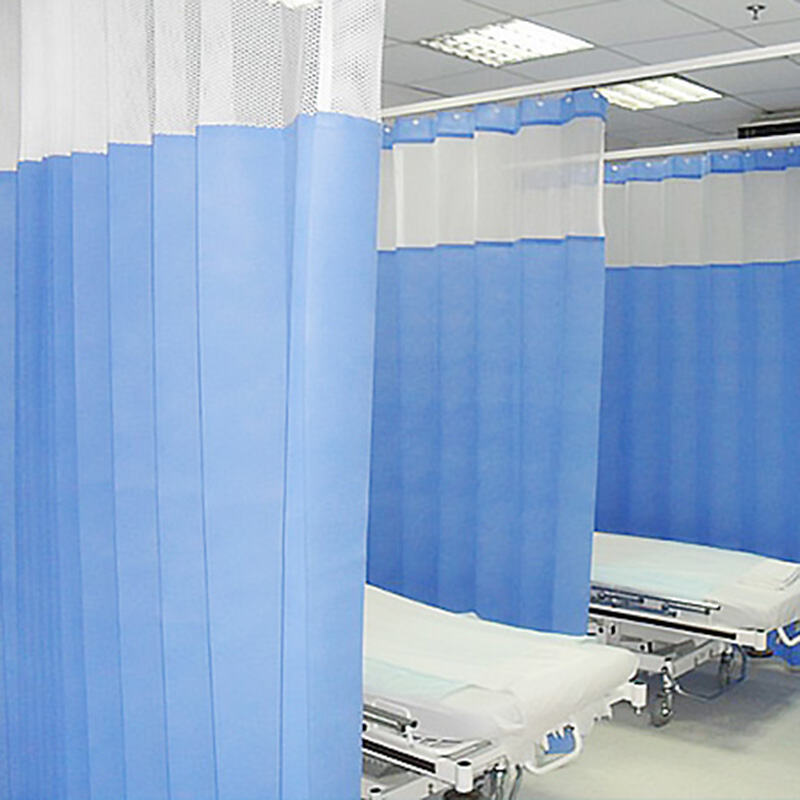
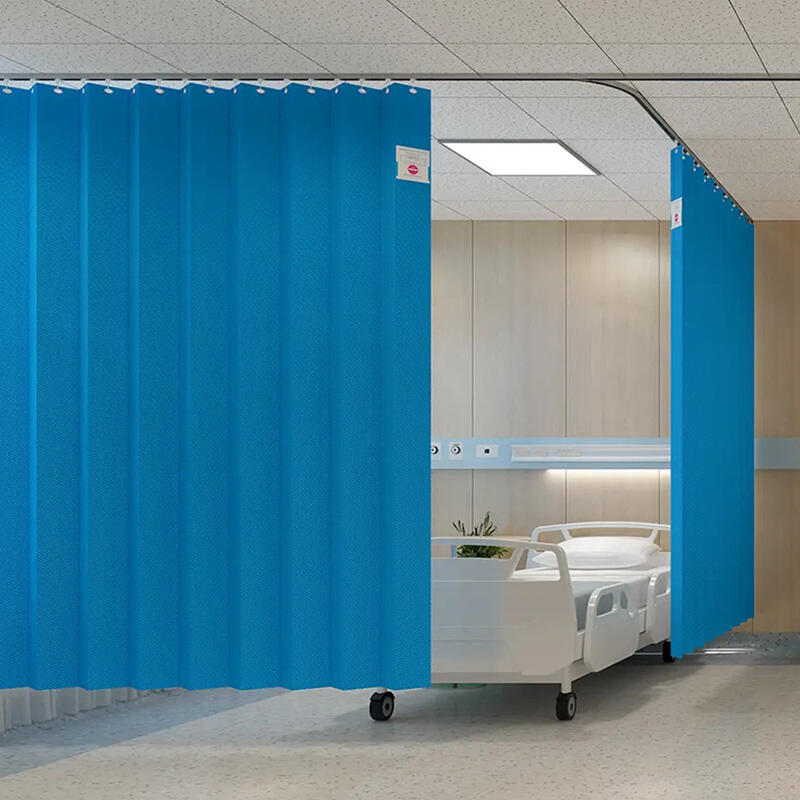
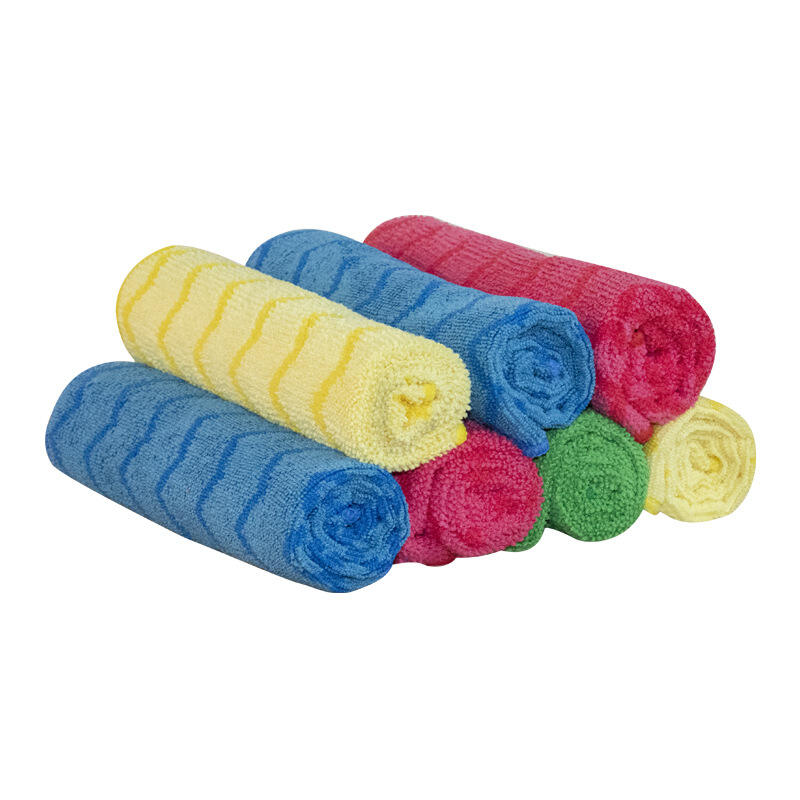
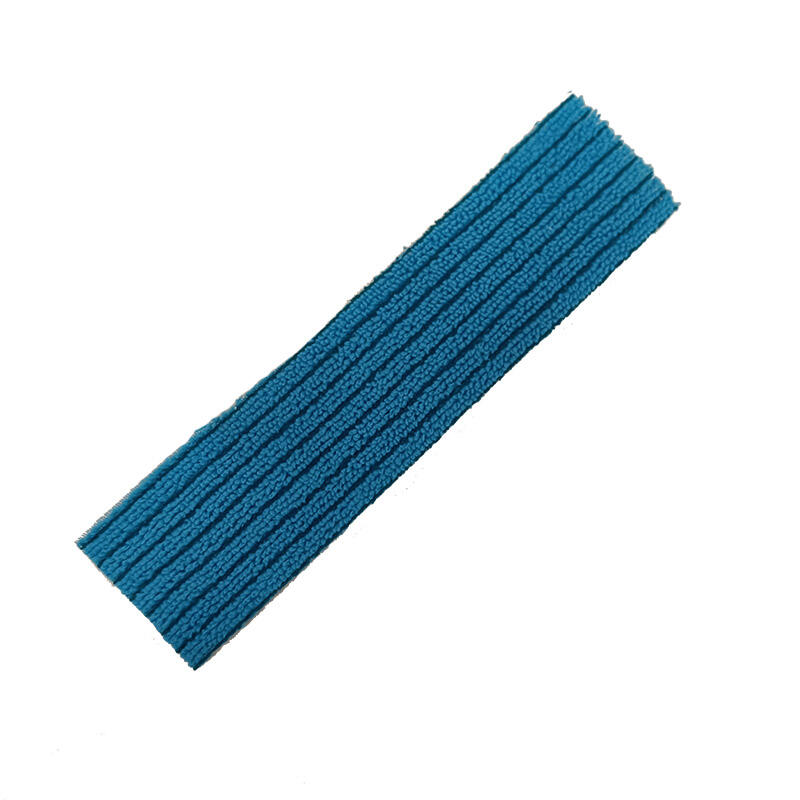
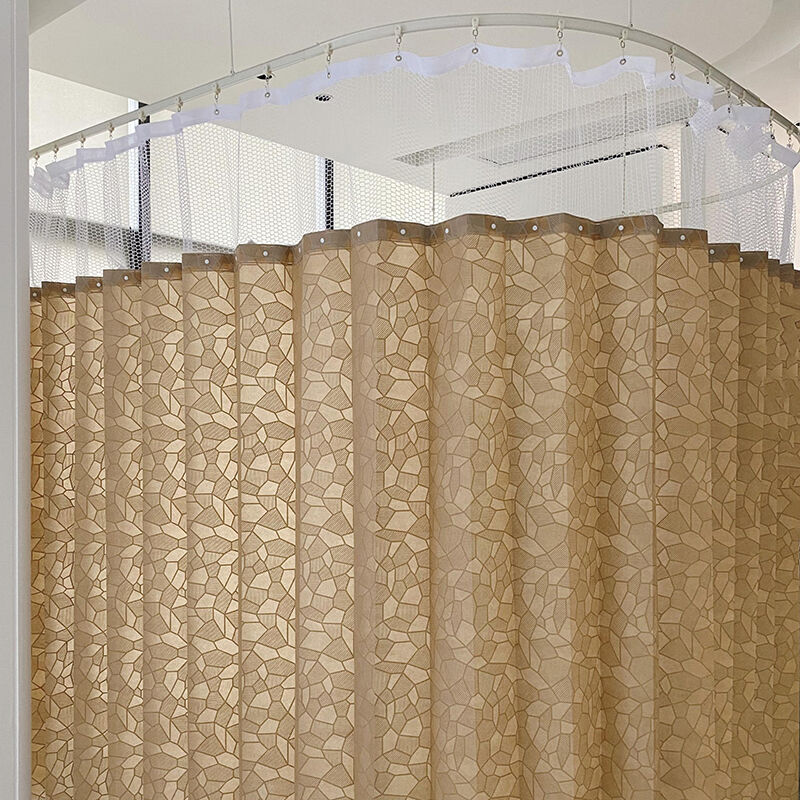
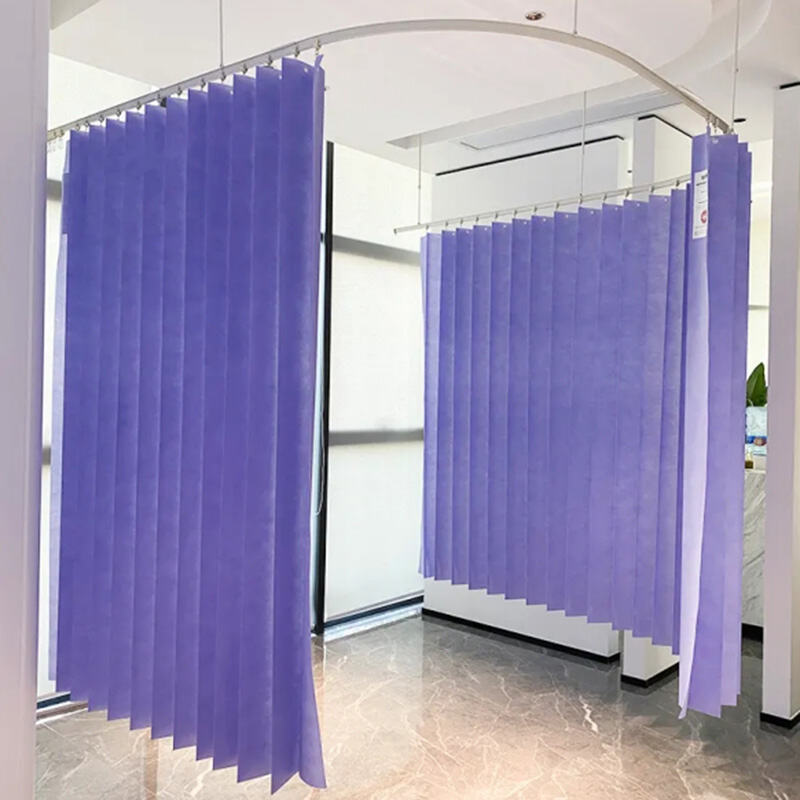
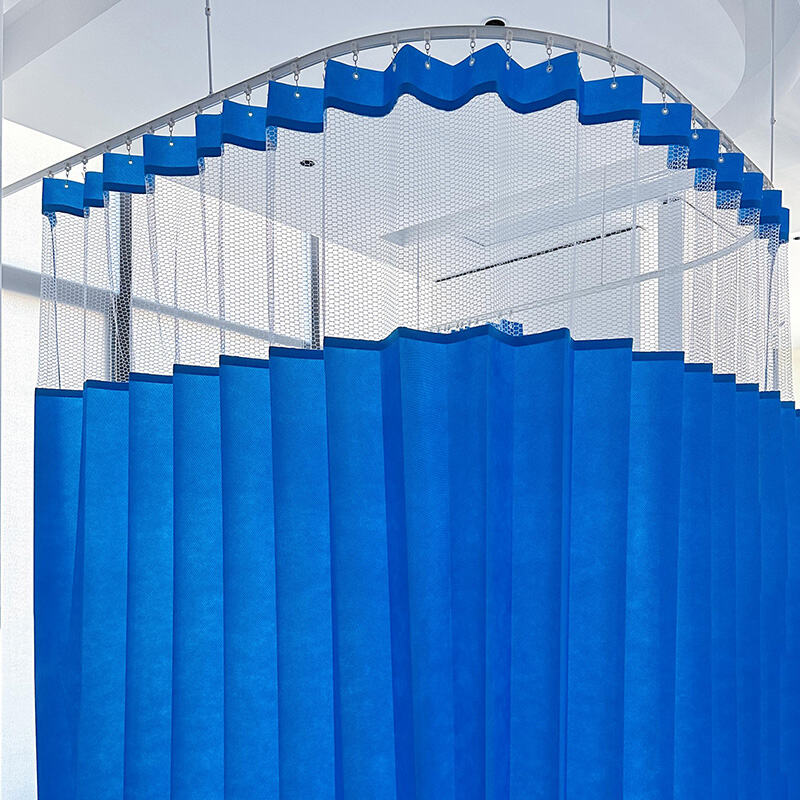
Within the dynamic environment of a hospital ward, the area immediately surrounding a patient's bed—the "patient zone"—is the focal point of care and the frontline for infection control. Hospital Bed Curtains are a ubiquitous and frequently manipulated fixture in this zone. Their primary function of providing visual privacy is well-understood; however, their role as a high-touch environmental surface capable of harboring and transmitting pathogens necessitates a far more sophisticated approach to their design and material composition. At Esun Environmental Technology, we apply our specialized knowledge in hygiene-focused textiles to re-engineer the standard bed curtain into an active component of a facility's safety protocol. The challenge with traditional curtains is their propensity to become contaminated through direct contact from healthcare workers' hands, splash from procedures, or airborne settling. Studies have documented the presence of multidrug-resistant organisms on curtain surfaces, with contamination often occurring within days of cleaning. Our development philosophy addresses this directly. By utilizing advanced microfiber and non-woven technologies from our proprietary brands, we create fabrics with a tight, dense weave that presents a less penetrable surface to fluids and particulate matter. This inherent material property provides a crucial first line of defense, reducing the risk of strike-through contamination that could compromise the sterile field or other surfaces within the patient zone.
The operational demands on a Hospital Bed Curtain are intensive. In a busy medical-surgical ward, a single curtain may be drawn and retracted dozens of times per day. This constant mechanical stress, combined with regular exposure to cleaning chemicals, requires exceptional fabric strength and stability. Our materials are engineered for high tensile strength and dimensional consistency, ensuring they resist tearing, fraying, and significant shrinkage through repeated industrial laundering cycles. This durability is not merely a convenience; it is an economic and operational imperative for hospital materials management. Reducing the frequency of curtain replacements lowers direct procurement costs, minimizes inventory logistics, and decreases environmental waste from discarded textiles—aligning with both budgetary constraints and sustainability initiatives. The application scenario extends to isolation rooms and outbreak management. While full room isolation is managed through negative pressure, the curtain surrounding an isolation bed serves as an additional physical reminder and barrier. A curtain that is easy to effectively disinfect and can withstand more frequent, aggressive cleaning protocols is a vital tool in containing outbreaks. Furthermore, for facilities undertaking new construction or renovation, selecting the right bed curtain system impacts long-term operational efficiency. Our solutions consider factors like flame retardancy (meeting international standards such as NFPA 701), acoustic dampening properties to reduce noise transmission between beds, and even color options that can support wayfinding or contribute to a calming patient environment.
For a hospital procurement officer or infection control nurse, the decision criteria extend beyond price per unit. The total cost of ownership—encompassing lifespan, cleaning efficacy, and impact on HAI rates—becomes paramount. Imagine a mid-sized hospital aiming to improve its infection control metrics while managing operational budgets. By partnering with a specialist manufacturer like Esun, they gain access to products built from the ground up for this specific challenge. The facility can implement a curtain that supports, rather than complicates, its environmental hygiene goals. The result is a tangible contribution to a safer patient environment and potentially lower long-term costs. To discuss specific technical specifications, including detailed data on fluid resistance, breathability, antimicrobial treatment options, and to request samples for evaluation, we encourage hospital administrators and procurement teams to contact us directly. Our experts are ready to provide detailed information and tailored quotations based on your facility's unique requirements and volume needs.
 EN
EN