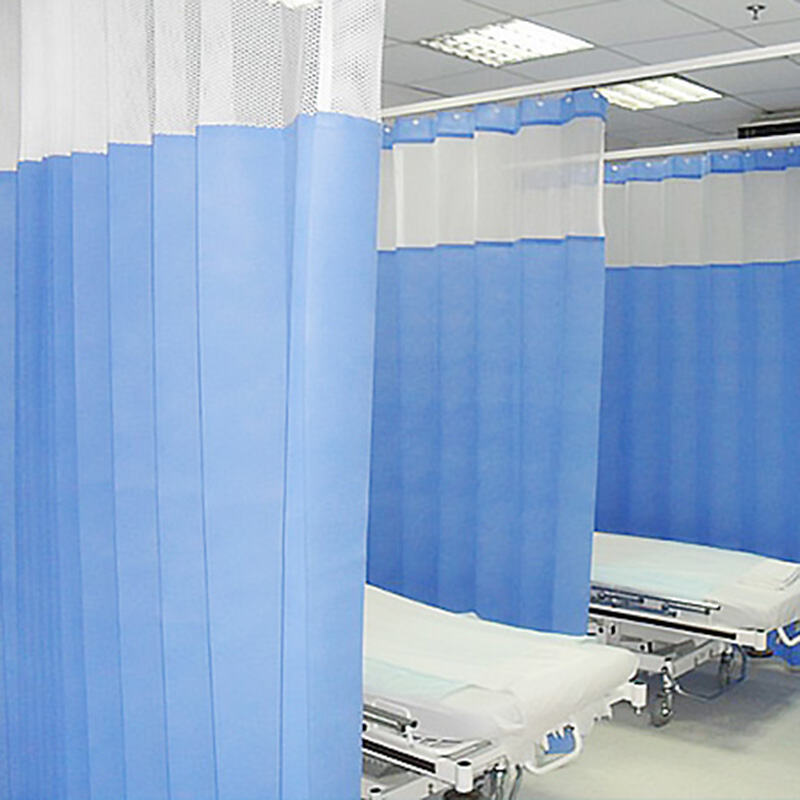
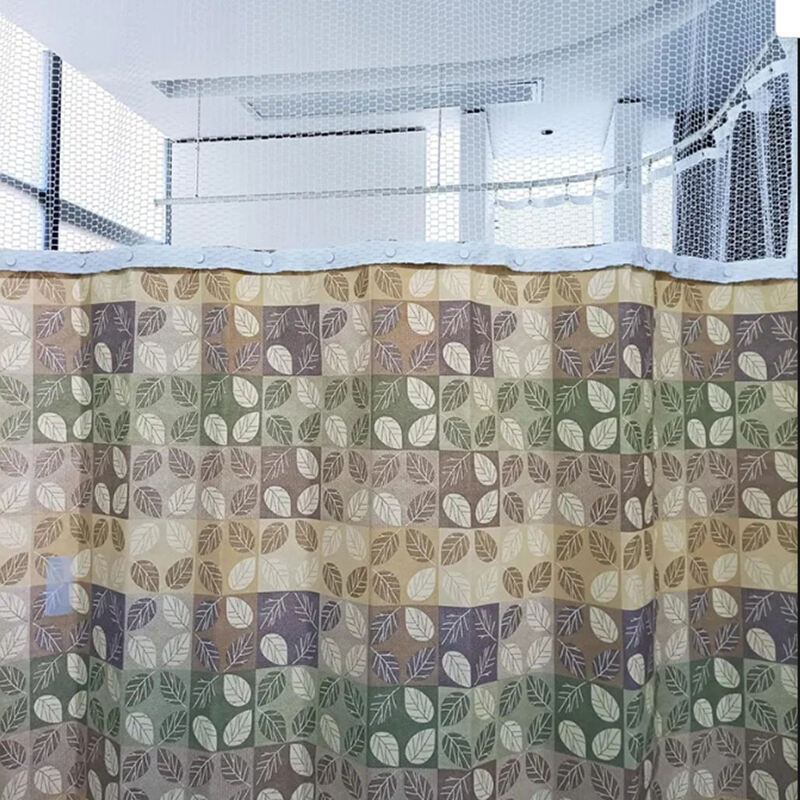
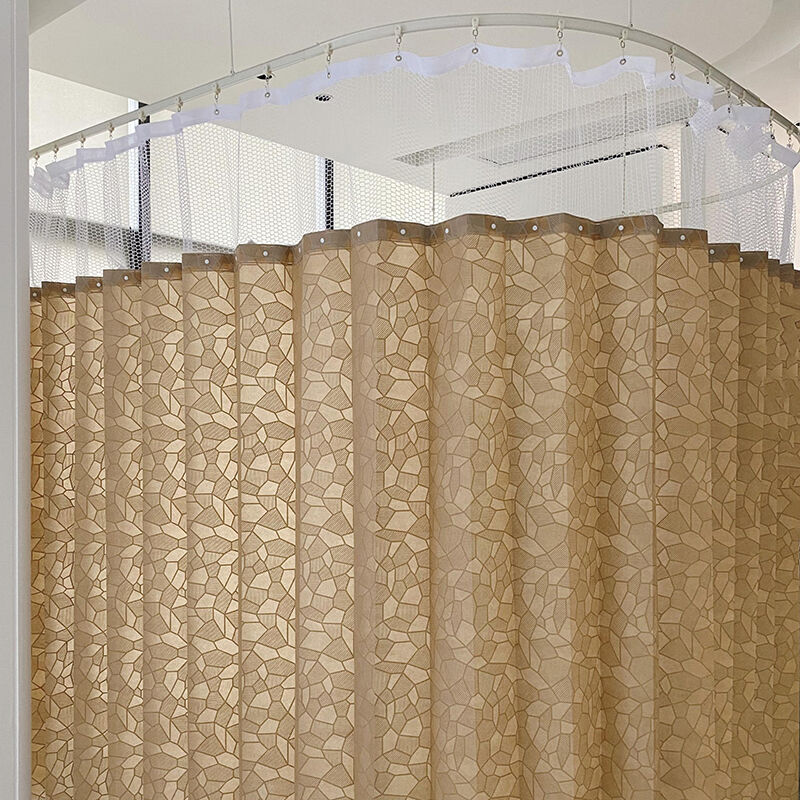
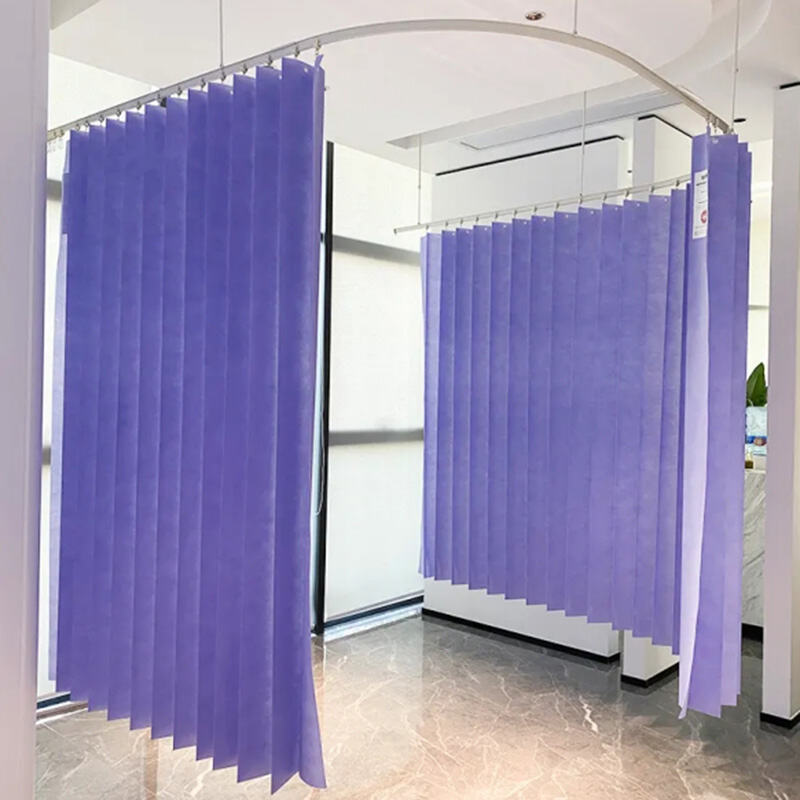
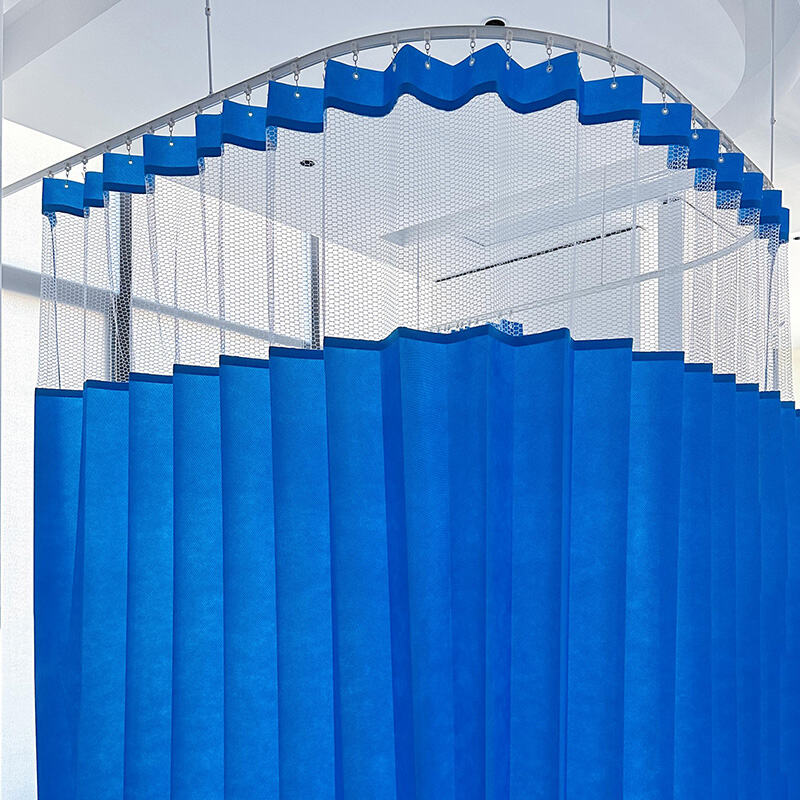
Within the complex ecosystem of a healthcare facility, the Hospital Curtain serves a role of profound importance that extends far beyond its fundamental function of providing visual privacy. As a critical interface in patient rooms, emergency departments, and outpatient clinics, it is a high-touch environmental surface that can act as a reservoir for pathogens, directly impacting patient safety and facility hygiene. Consequently, the specification, manufacturing, and maintenance of these textiles have evolved into a specialized discipline, demanding materials and designs that support clinical outcomes. Manufacturers operating at the intersection of textile engineering and healthcare, like Zhejiang Esun Environmental Technology, focus on developing Hospital Curtains that are engineered not just for privacy, but as active contributors to infection control, operational efficiency, and patient-centered care. The foremost consideration in any clinical textile is its role in infection prevention. Studies have shown that privacy curtains can become contaminated with multi-drug resistant organisms within days of being placed in a patient area, posing a risk of transmission to healthcare workers and subsequent patients. Therefore, a modern Hospital Curtain must be designed with inherent defensive properties. This is achieved through advanced fabric finishes or the use of fibers with built-in antimicrobial agents, such as silver ions or copper oxide, which continuously inhibit microbial growth on the fabric surface. This technology does not replace the need for regular cleaning and disinfection protocols but provides a continuous supplementary barrier, reducing the bioburden between change-outs. For isolation rooms or immunocompromised patient units, this feature transitions from a beneficial addition to a critical specification, aligning with overarching Infection Prevention and Control (IPC) policies aimed at reducing Healthcare-Associated Infections (HAIs). Material durability and lifecycle management are equally critical from an operational and financial perspective. Healthcare laundering is an aggressive process involving high temperatures, alkaline detergents, and potent disinfectants designed to achieve sterilization. A Hospital Curtain must be constructed from robust, high-tenacity yarns and tightly woven or knitted fabrics that can withstand this harsh regimen for 150 to 200 cycles or more without significant fading, pilling, or loss of mechanical strength. The financial implication is clear: a longer-lasting curtain reduces replacement frequency, inventory costs, and environmental waste. Furthermore, features like reinforced hems, double-stitched seams, and high-quality, corrosion-resistant grommets ensure the curtain maintains its functional integrity—smoothly opening and closing without tearing—which is essential for maintaining workflow efficiency and staff satisfaction in a fast-paced clinical environment. The design and user experience of a Hospital Curtain also contribute directly to the healing environment. The visual and acoustic properties of the curtain matter. Soothing, non-institutional colors can help reduce patient anxiety and create a calmer atmosphere. Fabrics with some sound-dampening qualities can help mitigate the pervasive noise of a hospital, promoting better rest. From a practical standpoint, the curtain must operate quietly and smoothly; a loud, sticking track can disrupt patients and staff. Ease of removal and re-hanging is vital for efficient laundering cycles. As healthcare design moves towards more patient-centric models, the curtain is also seen as a canvas for wayfinding or branding, with options for custom colors or subtle graphic patterns that align with a facility’s interior design scheme. Given the stringent and varied requirements across different departments—from general wards to burn units or surgical prep areas—selecting the right Hospital Curtain is a nuanced decision. It requires a partner with a deep understanding of textile performance, regulatory landscapes, and the practical realities of healthcare operations. With a foundation in high-volume, precision manufacturing and a commitment to innovation through our R&D center, we are positioned to collaborate with healthcare groups, procurement agencies, and distributors. We invite you to contact our team to discuss your specific application, compliance needs, and design preferences. By providing details on your usage environment and performance expectations, we can guide you to the most suitable fabric technology and configuration from our capabilities and provide a detailed, competitive quotation for your project.
 EN
EN