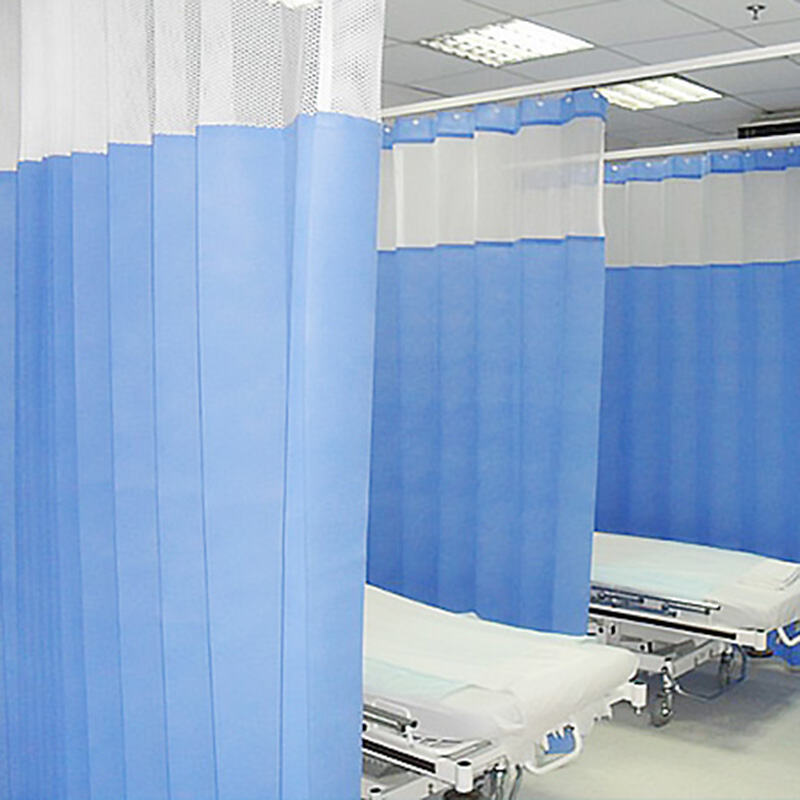
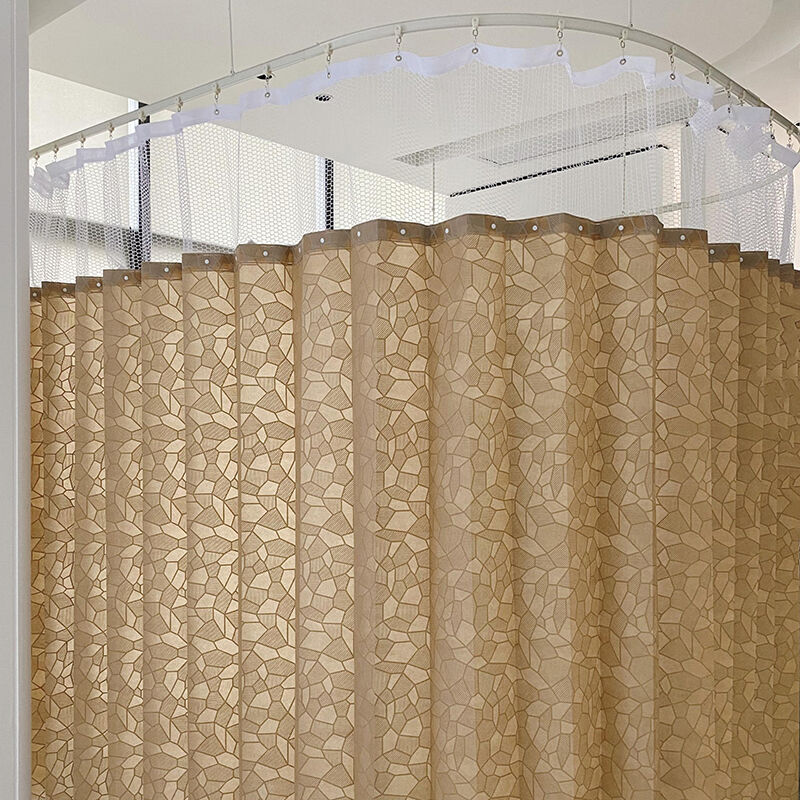
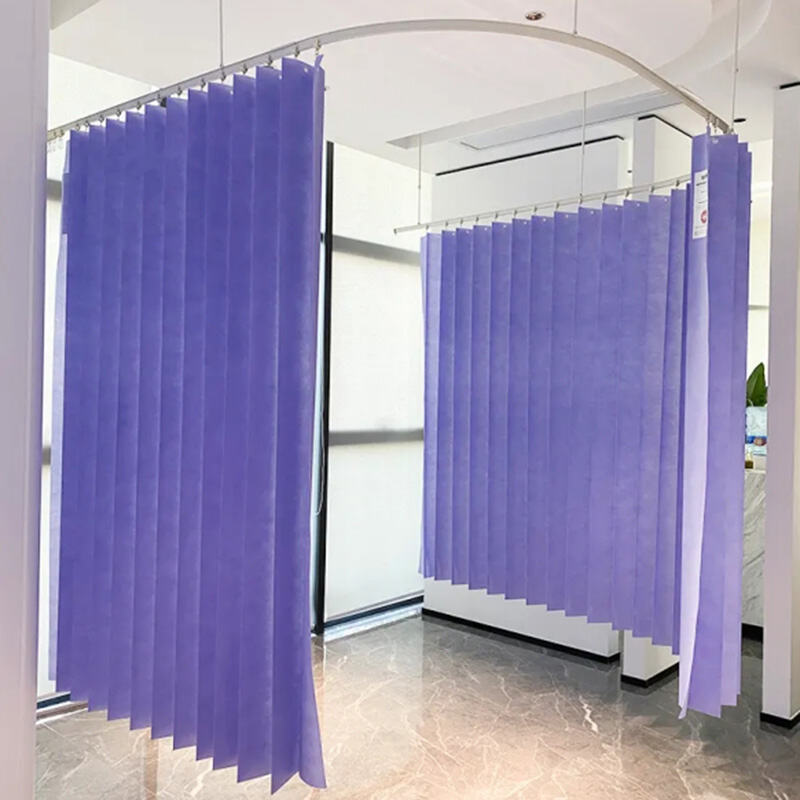
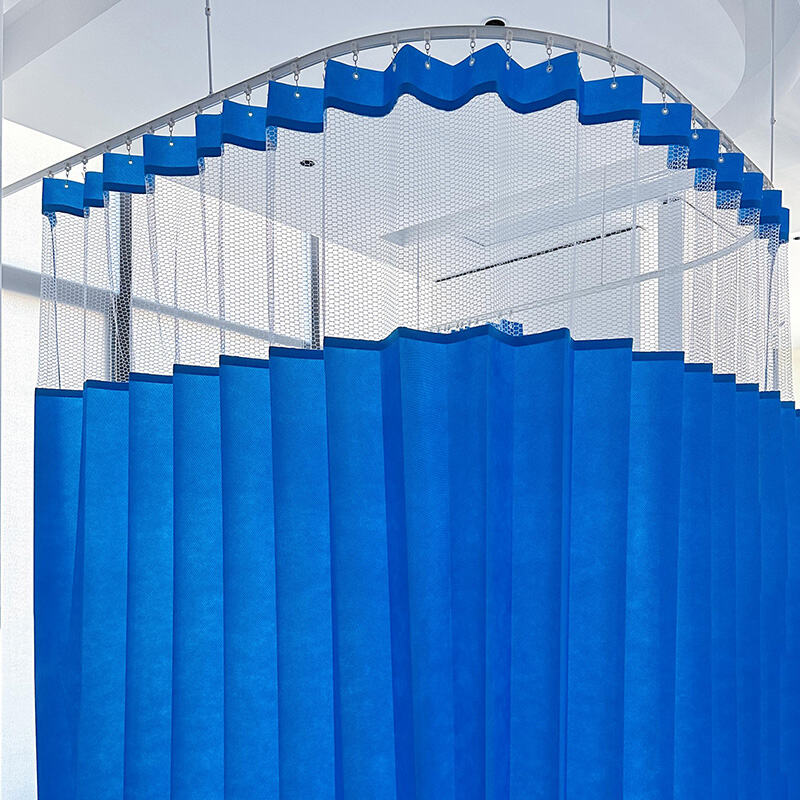
In the intricate ecosystem of a healthcare facility, every element plays a part in patient outcomes, operational efficiency, and staff workflow. Hospital Room Curtains, specifically privacy cubicle curtains, are a ubiquitous yet profoundly important component. Far from being simple décor, they are a first line of defense for patient dignity and a potential vector for infection if not properly managed. This underscores the necessity for curtains that are specifically engineered, not just fabricated, for the clinical environment.
The core mandates for any medical privacy curtain are safety, hygiene, and privacy. Safety is paramount. Healthcare regulations worldwide mandate the use of flame-retardant materials in patient areas. Premium curtains are constructed from fabrics that achieve a B1 classification, meaning they are difficult to ignite, slow to burn, and self-extinguishing, thereby providing crucial time for patient evacuation in an emergency. This flame retardancy must be durable, remaining effective even after 50 or more industrial laundry cycles, as specified in leading hospital tenders.
The hygiene aspect is equally critical. In settings where multi-drug resistant organisms are a constant concern, Hospital Room Curtains can become reservoirs for pathogens. Advanced solutions directly address this by incorporating antimicrobial agents at the fiber level. These are not superficial coatings that wash off but are integral to the material, actively inhibiting the growth of bacteria, fungi, and molds. Independent testing against common healthcare pathogens like Klebsiella pneumoniae and Pseudomonas aeruginosa shows effective inhibition rates exceeding 90%, even after repeated laundering. This built-in protection is a vital supplement to manual cleaning protocols, supporting broader hospital-acquired infection (HAI) reduction strategies.
Functionality and durability define total cost of ownership. A curtain in a busy emergency department or ward is touched, pulled, and cleaned countless times. Therefore, material strength is key. Specifications often require a high fabric weight (e.g., ≥230 g/m²), exceptional tensile strength (e.g., ≥1300N), and high resistance to pilling (≥4级) to prevent fraying and maintain a professional appearance. The hardware system is just as important. A robust, silent-glide aluminum track system with a sufficient number of heavy-duty gliders (e.g., ≥8 per meter) ensures the curtain moves effortlessly and quietly, which is essential during night checks or in patient-sensitive areas, and can support significant weight without sagging.
The application scope extends beyond the general ward. In operating room suites, specialized curtains may be used for zoning. In oncology or palliative care units, enhanced blackout properties can be crucial for patient comfort. Isolation rooms require curtains that are easily removable and laundered as part of terminal cleaning. For outpatient clinics and diagnostic imaging rooms, curtains with specific radiation protection or lead-lined options might be necessary. Each scenario demands a tailored approach, which is where a manufacturer's capability for customization becomes invaluable.
Finally, the environmental and wellness impact is gaining attention. Modern healthcare curtains are developed to be low in chemical emissions, free from harmful substances like heavy metals or allergenic dyes, and contribute to a calming aesthetic through evidence-based color theory. As a manufacturer with a dedicated R&D focus on innovative hygiene solutions, Esun is positioned to develop curtain products that meet these multifaceted and evolving needs. For detailed technical specifications, compliance certificates, and tailored solutions for your specific hospital room curtain requirements, please contact our expert team for a comprehensive consultation.
 EN
EN