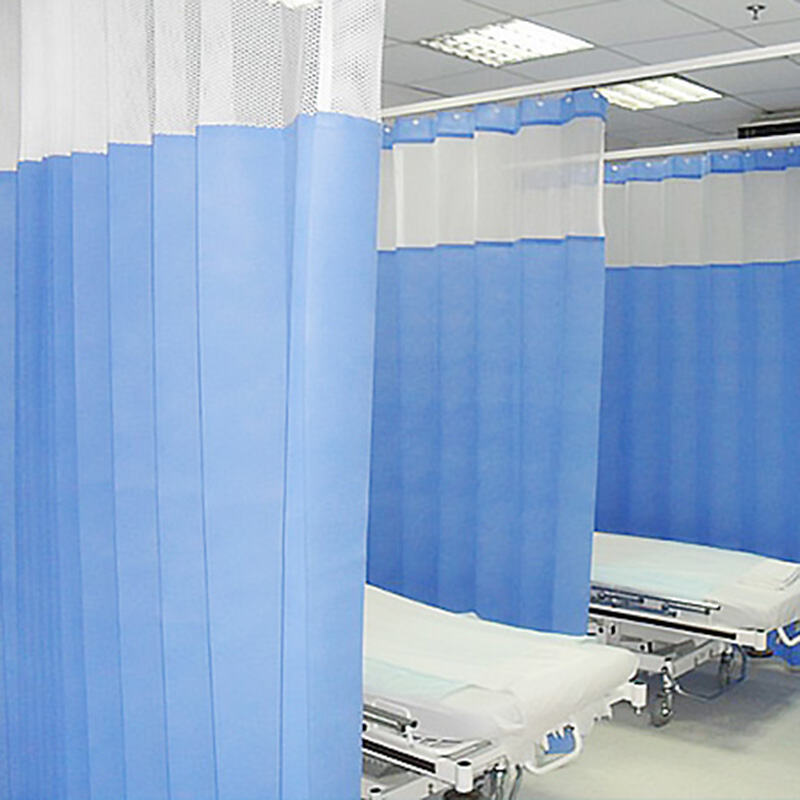
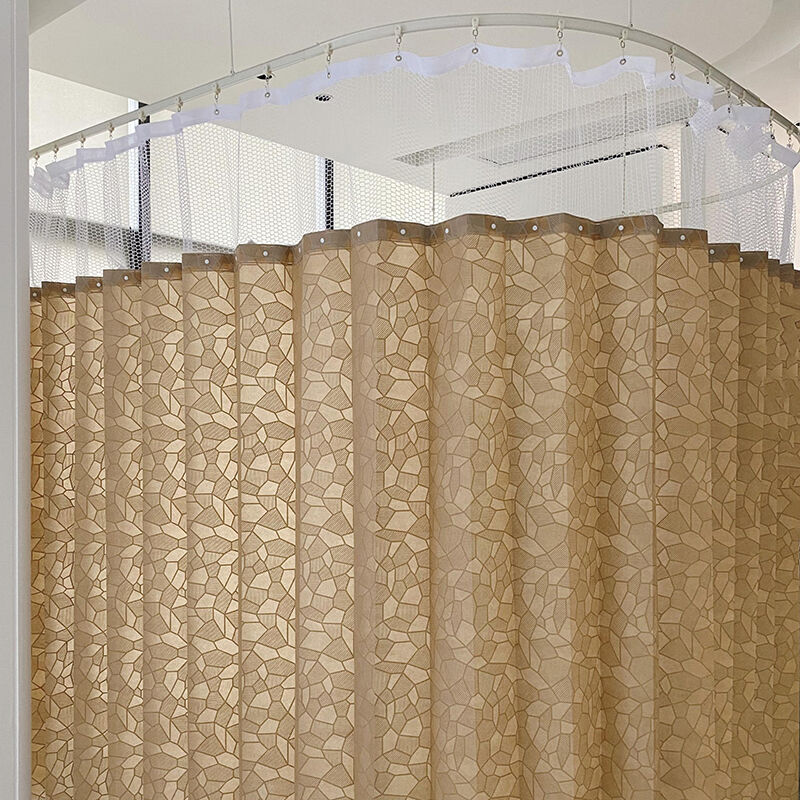
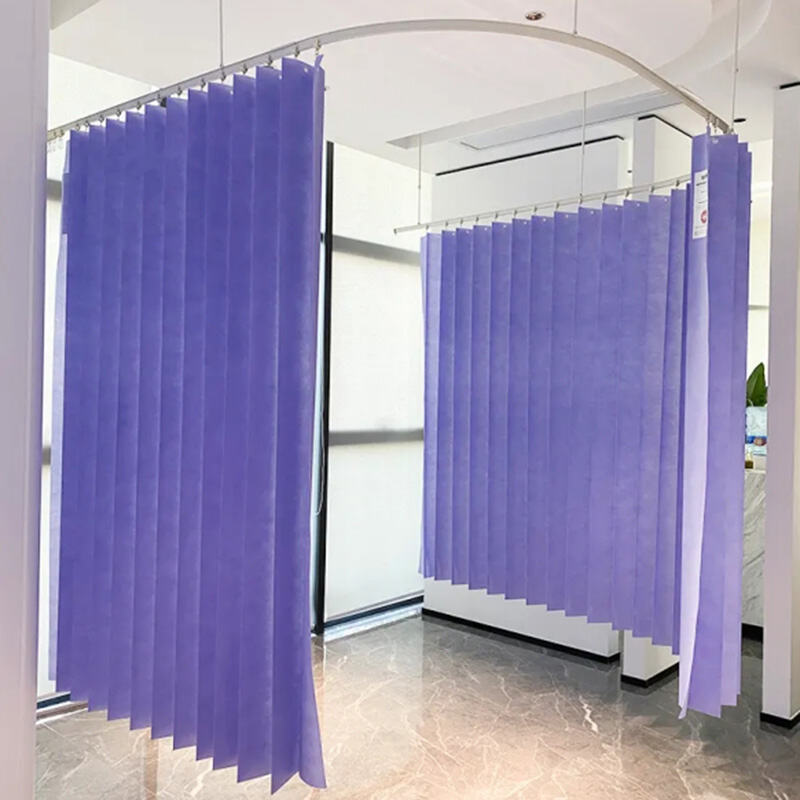
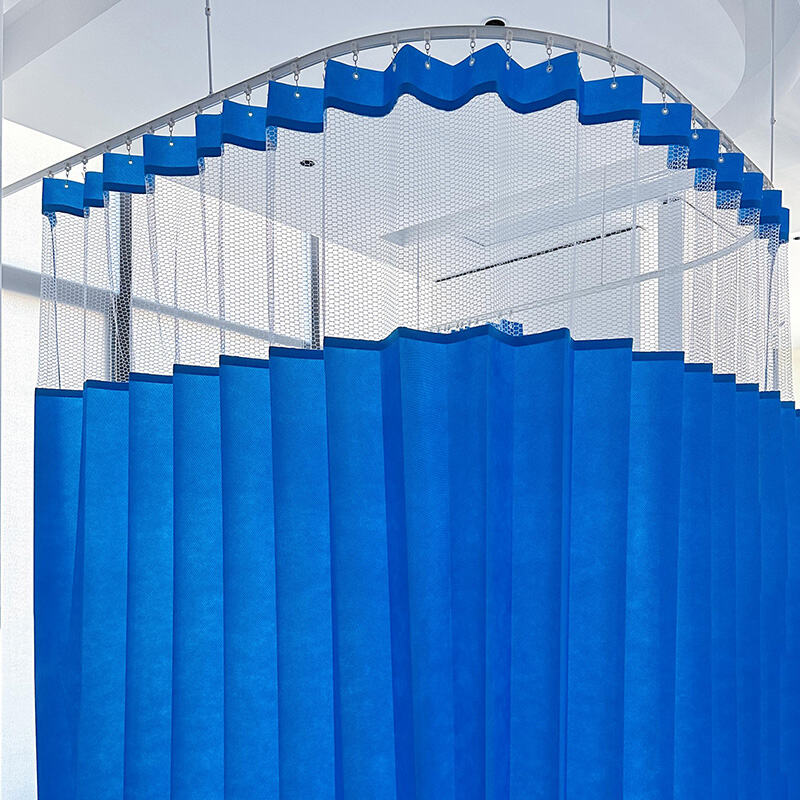
In the intricate ecosystem of a healthcare facility, every surface and textile plays a potential role in the chain of infection transmission. Hospital Room Partition Curtains, ubiquitous in patient rooms, emergency departments, and outpatient clinics, are far more than simple privacy tools. They are high-touch, frequently contaminated environmental surfaces that require a strategic approach to material science and design. As a specialist in advanced hygiene solutions, we at Esun Environmental Technology approach partition curtains as a critical component of Infection Prevention and Control (IPC) protocols. The traditional view of curtains as replaceable commodities is evolving. Progressive healthcare administrators now seek curtains that act as active barriers. Our development process begins with this principle. Utilizing our expertise in non-woven and microfiber technologies honed over more than a decade, we engineer fabrics with high thread density and specialized coatings. This creates a functional fluid-resistant barrier that minimizes the risk of blood, bodily fluids, or other contaminants permeating the fabric—a vital first line of defense.
The application scenarios dictate specific requirements. In an Acute Care Ward, curtains are drawn multiple times daily by healthcare workers, patients, and visitors, leading to cross-contamination. Studies have shown curtains can harbor multidrug-resistant organisms. Our curtains are designed with easy-to-clean, low-porosity surfaces that withstand daily wiping with hospital-grade disinfectants without degrading. For Intensive Care Units (ICUs), where immunosuppressed patients are at highest risk, the need for a reliable hygienic barrier is paramount. Our materials are tested for durability against stringent chemical agents used in terminal cleaning, ensuring the curtain itself does not become a reservoir for pathogens. Beyond clinical functionality, operational efficiency is a key driver. Facilities face significant labor and cost burdens from frequent curtain change-outs. Our curtains are engineered for exceptional tensile strength and colorfastness, enduring hundreds of industrial wash cycles at high temperatures. This translates to a longer lifecycle, reducing replacement frequency, procurement administrative load, and textile waste—aligning with both economic and sustainability goals (Environmental Services departments often track this metric closely).
Consider a real-world challenge: A regional hospital group aims to reduce its rates of Healthcare-Associated Infections (HAIs) while controlling operational expenses. A pilot project replaces standard curtains in one wing with our engineered hygiene-focused partition curtains. The facility's environmental services team reports easier and more effective cleaning. Concurrently, the materials management department observes a reduction in the annual volume of curtain purchases due to increased durability. While direct causation requires controlled study, the integration of a designed hygienic textile contributes holistically to the facility's IPC strategy. Furthermore, for international projects in our 65 served countries, from new hospital construction in growing markets to renovations in established ones, we provide solutions that meet varying regional standards and climatic conditions. We do not just sell a curtain; we provide a hygienic partition system. For specific pricing, customization options, and detailed technical specifications—including fire ratings, antimicrobial treatments, and track system compatibility—we invite hospital procurement teams, architects, and facility managers to contact us directly. Our technical team can discuss your specific application scenarios and compliance requirements to recommend the optimal solution.
 EN
EN