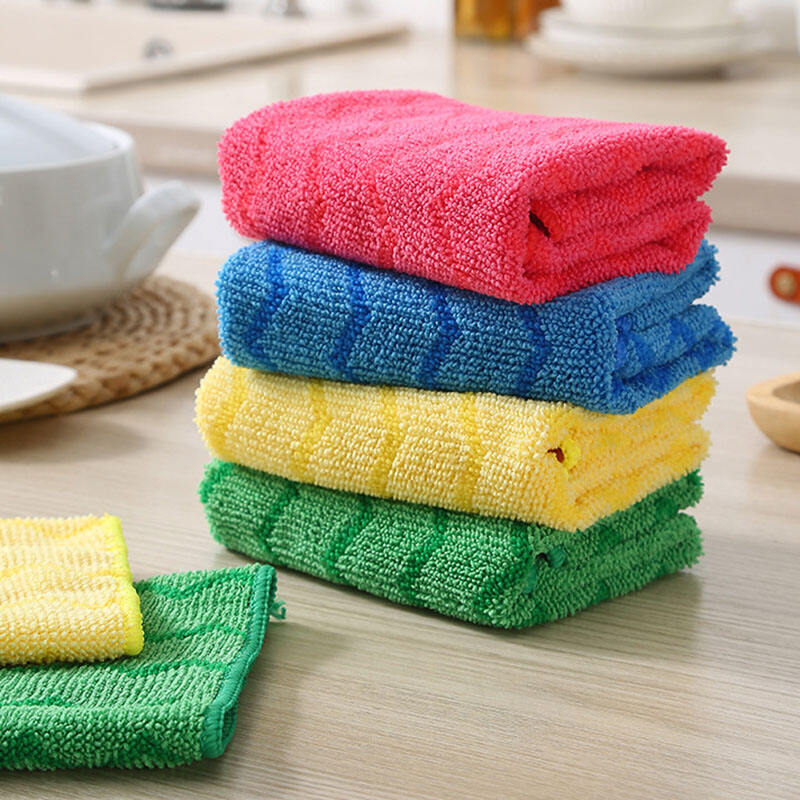
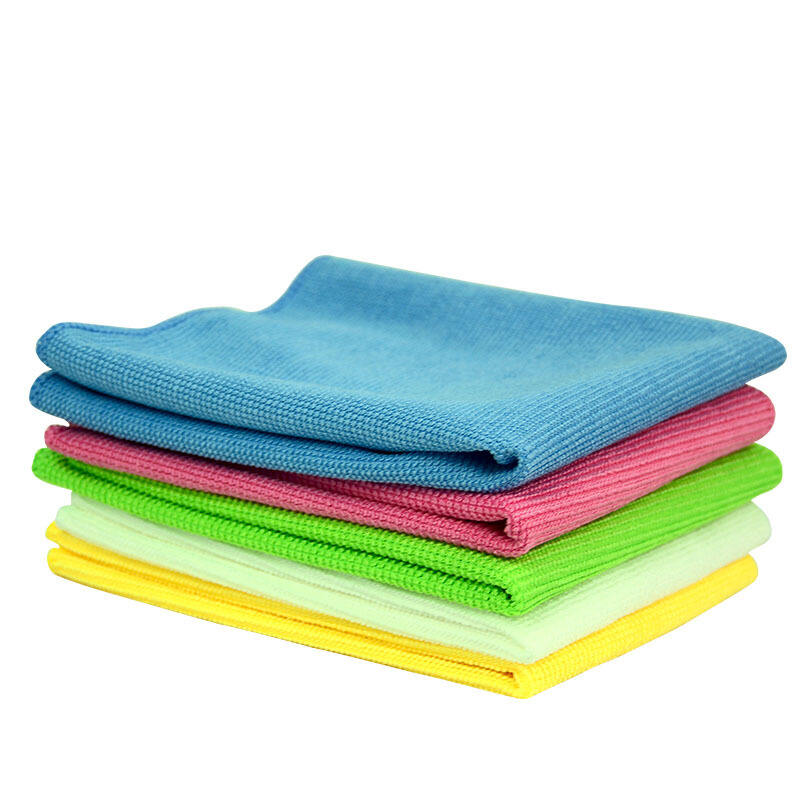
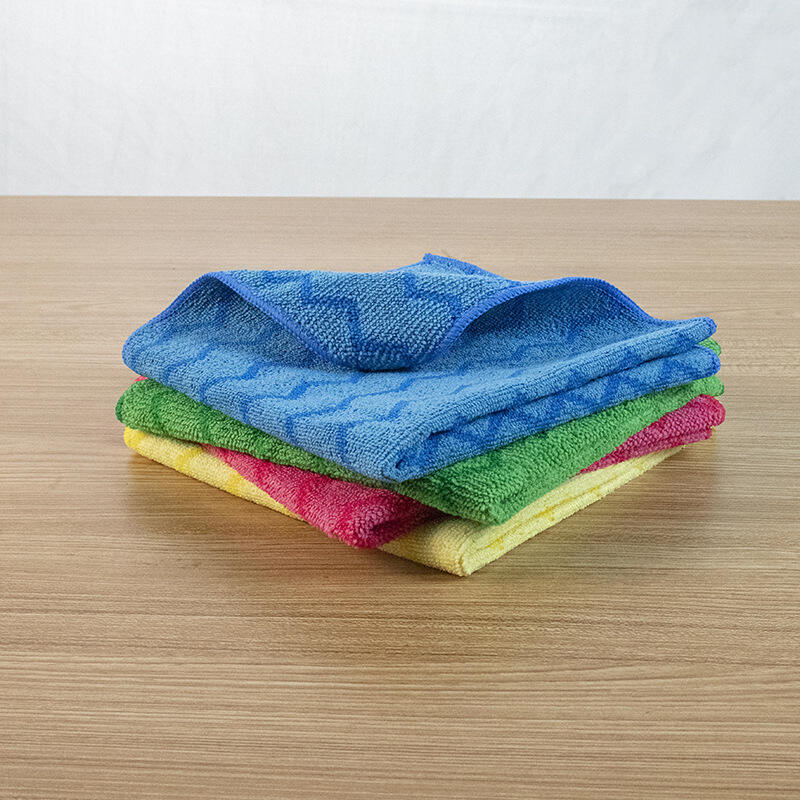
The kitchen represents the epicenter of home hygiene and daily activity, where the tools employed directly impact health, efficiency, and overall experience. Among these, the humble dish towel plays a surprisingly critical role. Moving beyond traditional cotton or linen, advanced microfiber Kitchen Dish Towels, such as those developed by Zhejiang Esun Environmental Technology Co., Ltd., represent a significant technological leap in kitchen textile science. The core innovation lies in the fiber's construction. Microfiber is a blend of polyester and polyamide, mechanically split during production to create strands far finer than a human hair. This splitting process exponentially increases the fiber's surface area, creating millions of microscopic channels within a single towel. These channels function through capillary action, enabling the towel to absorb and hold liquids up to seven times its own weight—far surpassing the capacity of natural fibers. This is not merely absorption but active wicking, pulling moisture off surfaces rapidly to prevent water spotting on glassware and to expedite the drying process for dishes and utensils.
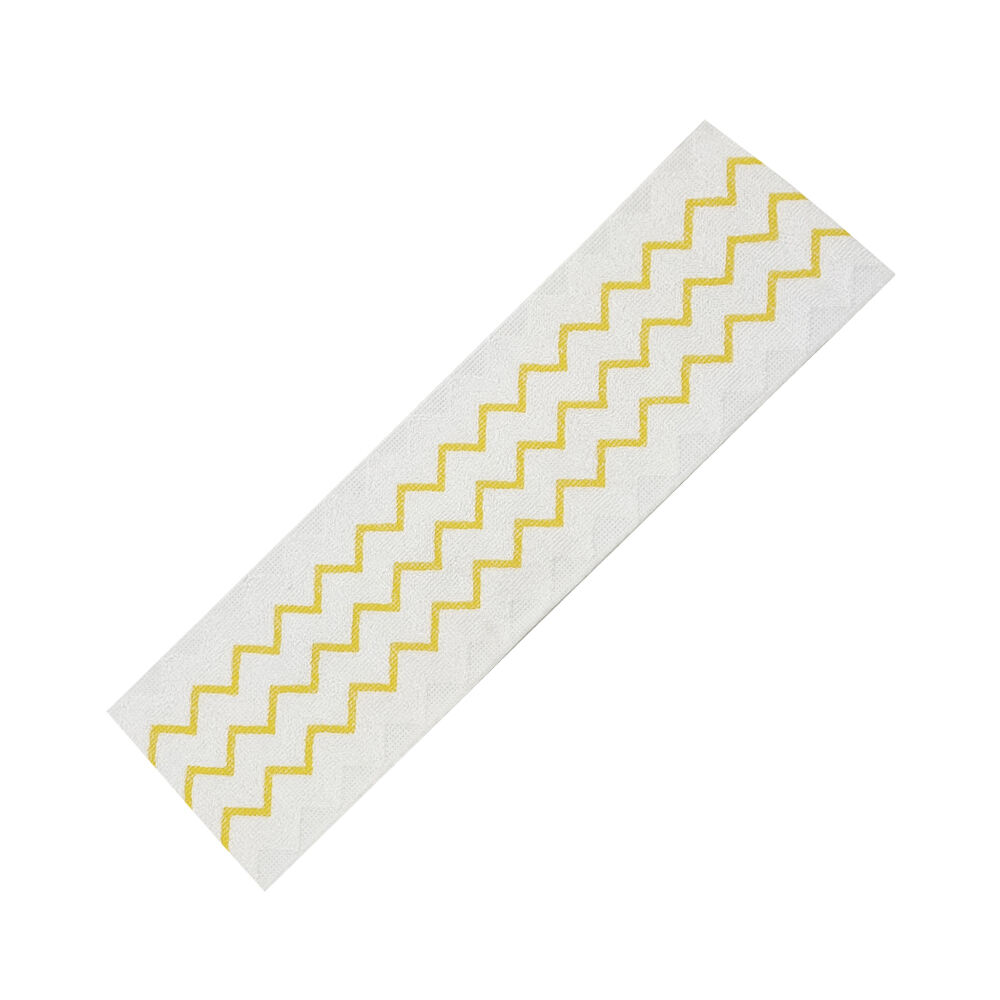
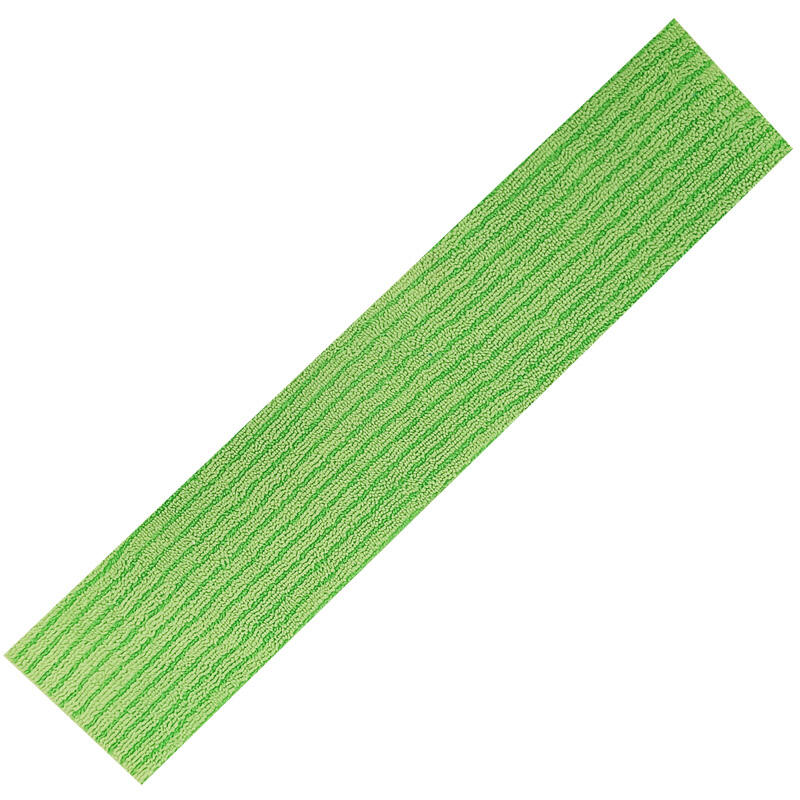
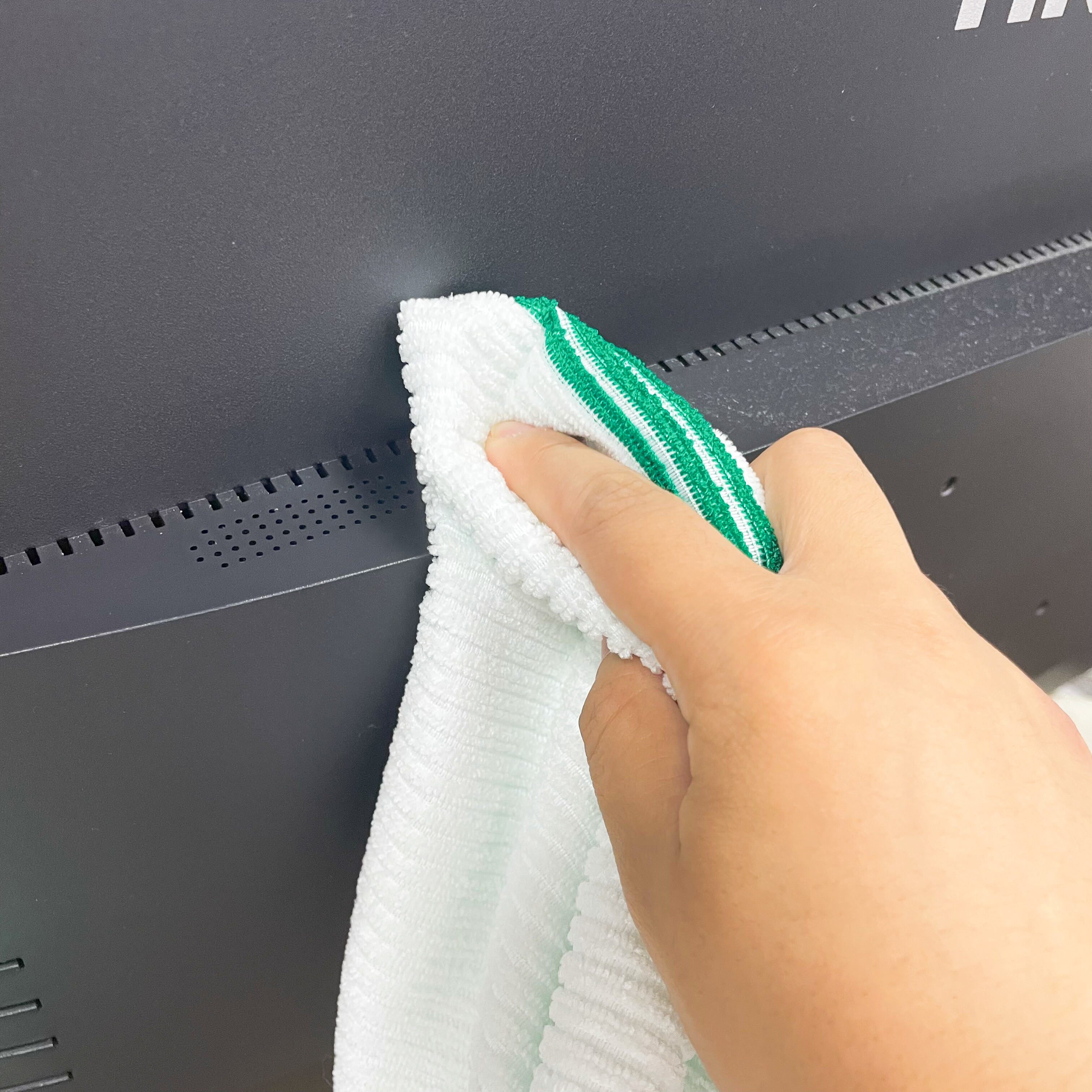
The application of this technology extends beyond simple drying. A high-quality microfiber towel is engineered for specific tasks. For general dish drying and wiping wet surfaces, a plush, high-grammage towel with a thick nap is essential. This structure provides ample loft to trap water quickly and is gentle enough for delicate china. Conversely, for cleaning tasks—such as wiping down counters, cleaning stovetop splatter, or polishing faucets—a towel with a flat-weave or a slightly textured surface is more effective. This design increases surface contact and provides mild abrasion (without scratching) to lift and encapsulate grease, food particles, and bacteria, rather than spreading them. The microfiber's electrostatic properties further attract and hold dust and debris. This dual functionality—superior absorption and superior cleaning—eliminates the need for multiple specialized cloths, streamlining kitchen operations.
From a hygiene perspective, the advantages are profound. Traditional cotton towels often become saturated, remain damp for extended periods, and can develop mildew and odors, becoming breeding grounds for bacteria. Esun's microfiber towels, due to their synthetic composition and quick-drying nature, resist moisture retention and are less susceptible to bacterial growth when cared for properly. For commercial settings like restaurants, hotels, and catering services, this translates to a more sanitary environment, reduced cross-contamination risks, and compliance with stringent food safety protocols. The durability factor also contributes to hygiene and cost-efficiency. Towels with bound edges and high-density stitching, produced in controlled facilities like our 8,000-square-meter plant, withstand industrial laundering—high temperatures and robust detergents—without fraying or losing their effectiveness. This longevity ensures consistent performance and reduces long-term replacement costs.
Ultimately, integrating professional-grade Kitchen Dish Towels into a home or business is an investment in practicality and sustainability. Their exceptional durability reduces textile waste, while their cleaning efficiency can minimize the need for harsh chemical sprays. For the household user, it means a cleaner, more organized kitchen with tools that perform reliably. For business operators in the food service and hospitality sectors, it is a strategic choice that supports operational efficiency, staff productivity, and customer safety. We invite you to contact our team to explore our range of Kitchen Dish Towel solutions. Let us provide you with samples and detailed information to demonstrate how our scientifically designed fabrics can meet the specific demands of your kitchen environment, ensuring a higher standard of cleanliness and convenience.
 EN
EN