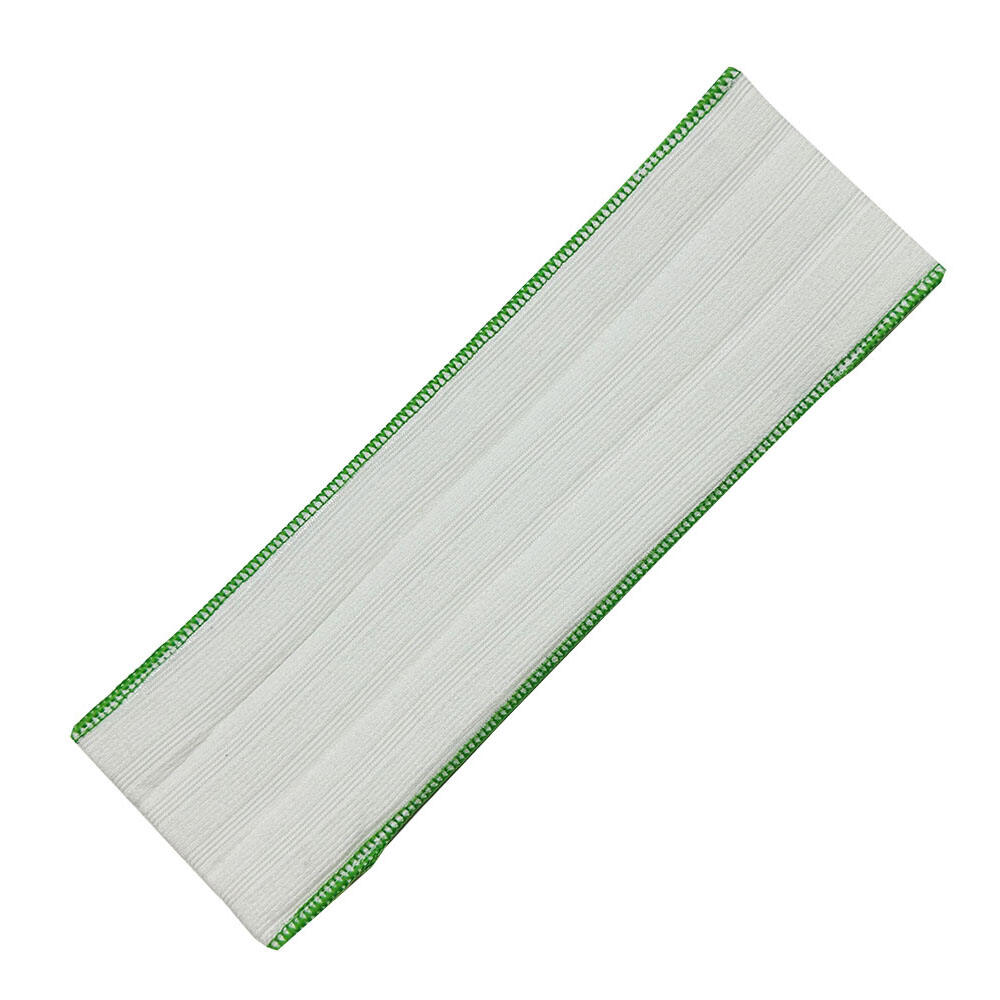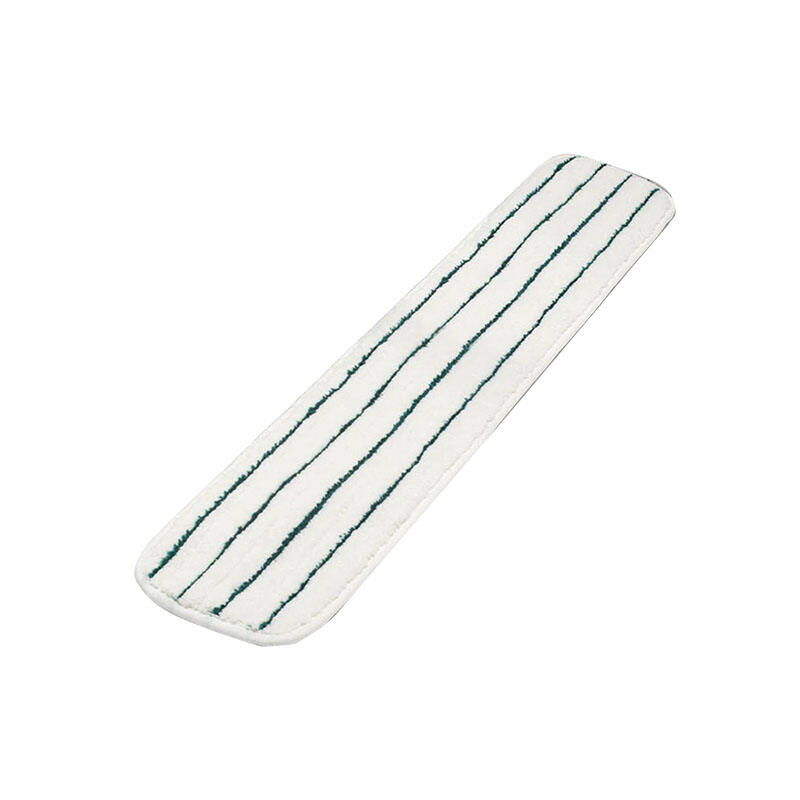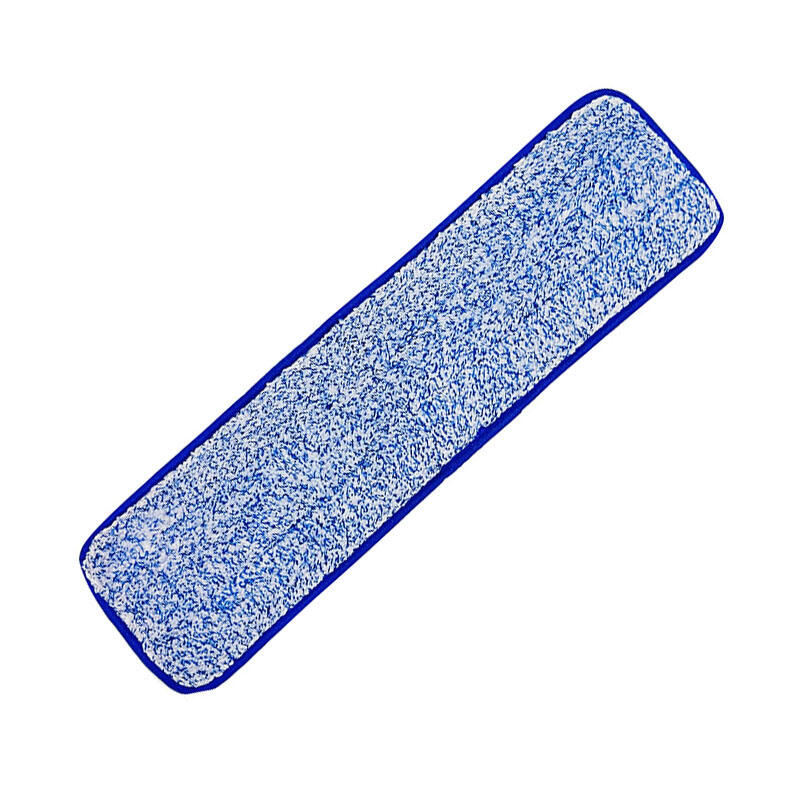
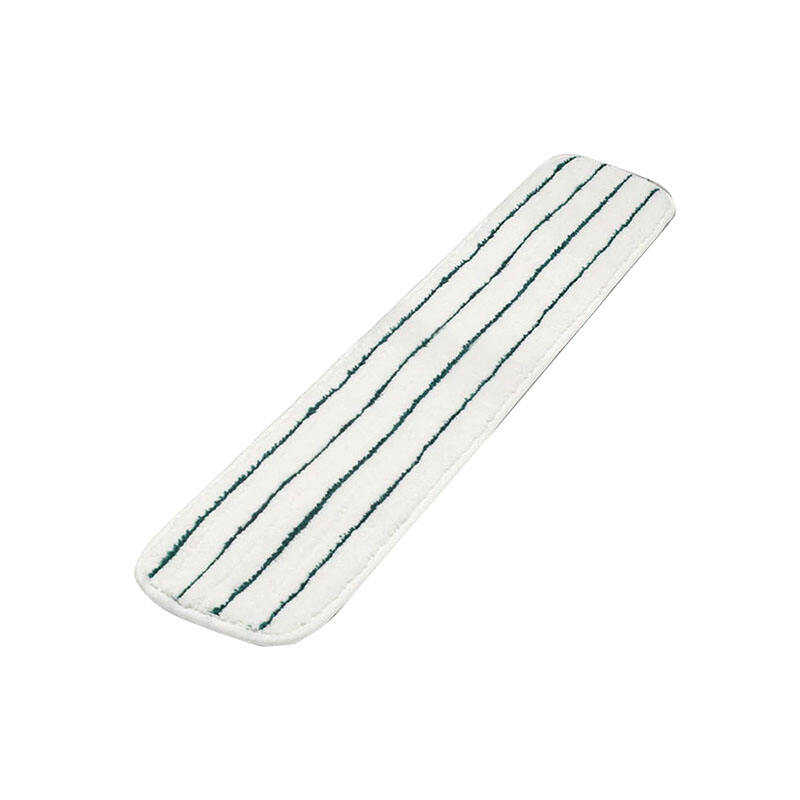
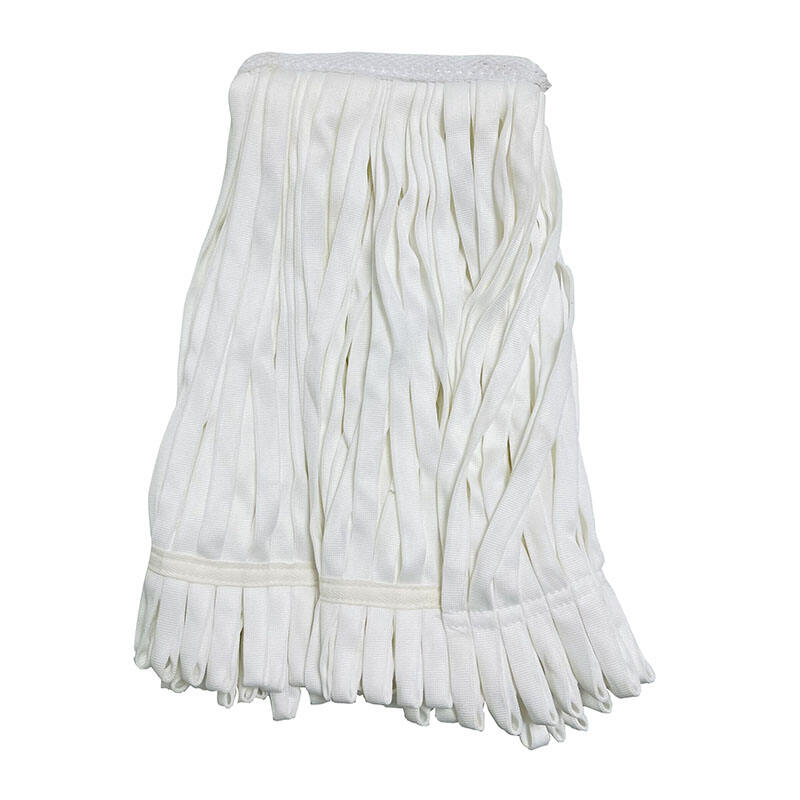
The efficacy of microfiber mops in infection control is well documented and makes them a critical tool in healthcare settings. Studies have demonstrated that using microfiber mops can remove up to 99% of bacteria from a surface when used correctly, compared to a significantly lower percentage for conventional mops. Traditional mops often sit in dirty water, becoming reservoirs for bacteria that are then spread across the floor with each subsequent stroke. Microfiber systems mitigate this risk through the use of multiple pads and a two bucket method (one for clean water, one for wringing dirty water), or even more advanced trolleys that dispense clean pads and automatically collect used ones. This ensures that a fresh, effective pad is used for each room or defined area. The ability to launder microfiber pads at high temperatures further ensures the elimination of captured pathogens. In a hospital case study, the implementation of a color coded microfiber mopping system for patient rooms, corridors, and operating theaters was correlated with a measurable reduction in healthcare associated infection (HAI) rates. The physical removal of biofilms, which are protective layers that harbor bacteria, is also more effectively achieved with the abrasive action of microfiber, making floors not just visually clean but hygienically clean.