 EN
EN

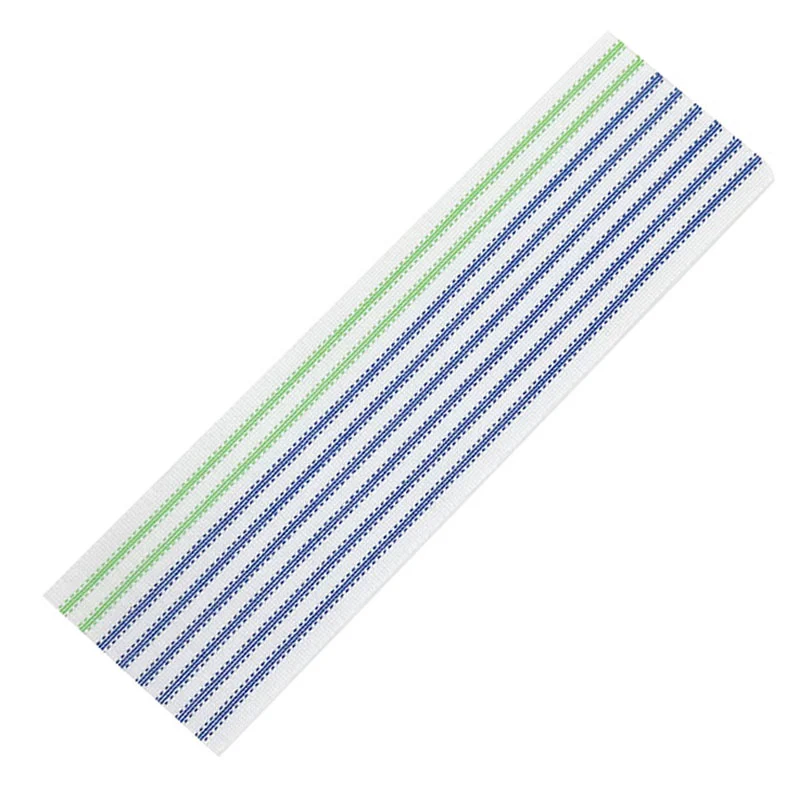
Antibacterial Disposable Flat Mop: Comparing Hygiene Benefits
A Ward That Changed Its Routine
A hospital ward rotated one set of reusable flat mops between patient rooms and relied on a quaternary disinfectant to carry the hygiene load. After an environmental sample flagged the same organism in two neighbouring rooms, the infection-control lead moved the ward to an antibacterial disposable flat mop used once per room. Follow-up sampling showed the shared-organism pattern disappear, and the laundry queue shrank at the same time, which the night supervisor noticed before the next survey did.
Why one mop across rooms is a risk
A mop that leaves room A and enters room B can carry what room A shed, especially if the disinfectant contact time was cut short during a busy round. The antibacterial disposable flat mop removes that path because it is discarded at the room door, so the next room starts from a sealed, unused surface. Hygiene stops depending on whether the last user waited the full contact time that the label actually requires.
What the switch bought the ward
The ward gained a cleaner audit trail as much as a cleaner floor. Each room now maps to one mop, one lot, and one time stamp, which makes an outbreak review straightforward instead of a laundry-log excavation. The antibacterial disposable flat mop turned a vague process into a recorded one, and reviewers noticed the difference first because the paper finally matched the practice on the floor.
Antibacterial disposable flat mop programs also settled a recurring dispute between nursing and housekeeping about who owned the last clean. With one mop per room and a logged lot, the answer was on the floor, not in a meeting. The ward manager noted fewer complaints and a calmer handover, because the tool made the step visible where an audit could see it without asking.
The Hygiene Math Behind the Mop
Treatment versus plain capture
An antibacterial finish adds a second line of defence on top of mechanical capture. The fibre still traps particles, but the treated surface also limits microbial survival during the short window before disposal. An antibacterial disposable flat mop is not a replacement for a validated disinfectant, yet it narrows the gap when a round runs long and contact time slips below the labelled minimum by a wide margin.
Contact time and real-world use
Laboratory claims assume a fixed contact time that floor rounds rarely hold. The practical benefit of a treated mop is that it keeps working after the liquid has dried, while an untreated mop only helps while wet. Choosing an antibacterial disposable flat mop means the hygiene action is built into the tool, not borrowed from a timer nobody watches during the busiest two hours of the day. An antibacterial disposable flat mop keeps working after the liquid dries, which matters most on the long afternoon round when the wet time is forgotten. The treated surface does not wait for a timer, so the hygiene claim survives the busy part of the day instead of expiring with the puddle, and that is the practical edge over a plain mop that only acts while wet.
What the Treatment Actually Is
Agent types and how they are tested
Common treatments are silver-ion, quaternary-bound, or embedded antimicrobial finishes, each with its own test method. EN 1276 measures bactericidal activity under defined conditions, ASTM E2149 assesses dynamic efficacy on treated textiles, and ISO 18184 covers antiviral performance on treated fabrics. An antibacterial disposable flat mop backed by one of these test numbers is a spec, not a slogan that collapses under a reviewer's first question.
Reading the claim without being fooled
A vague "antibacterial" line means little without the method and organism. The useful claim names the standard, the contact condition, and the result. An antibacterial disposable flat mop that ships with a test summary lets a procurement officer compare two brands on evidence rather than colour, which is the only comparison that survives a surveyor's follow-up and the file request that follows it.
Specifying the Right Mop
Match the mop to the room risk
High-risk rooms warrant a treated, sealed mop used once; lower-risk corridors may use a plain disposable flat mop without the finish. Over-treating every space wastes budget, while under-treating a patient room invites the exact problem the program exists to prevent. The antibacterial disposable flat mop belongs where the organism load is highest, not everywhere by default, so the spend follows the risk map.
A short buying checklist
State the room grade, the required test standard, the frame fit, the edge seal, and whether a sterility claim is needed. An antibacterial disposable flat mop quoted against that list is easy to compare, and the receiving check becomes a certificate match rather than a guess. Suppliers such as ESUN publish the treatment and test reference per lot, which keeps the file ready for the next audit without a second chase for the paperwork. An antibacterial disposable flat mop purchase should also note the disposal path, because a treated head still needs correct waste handling to count. The buyer who states the frame, the seal and the test on one line gets a comparable quote and a receiving check that takes minutes.
A treated mop only helps if the round uses it once per room and disposes of it there. Posting the rule at the cart and logging the lot on use turns the spec into behaviour, which is where most hygiene programs quietly fail. The antibacterial disposable flat mop makes compliance visible, because a used head at the door is evidence the step happened, not a promise written on a board.
Frequently Asked Questions
Question: Does an antibacterial disposable flat mop replace disinfectant?
Answer: No. The treated surface adds defence between the time the liquid dries and disposal, but a validated disinfectant still does the primary kill. The mop helps most when a round runs long and contact time slips, because the hygiene action is built into the tool rather than borrowed from a timer nobody enforces on a busy floor during peak hours.
Question: How is the antibacterial claim tested?
Answer: Look for a named method such as EN 1276 for bacteria, ASTM E2149 for dynamic textile efficacy, or ISO 18184 for antiviral performance. A bare "antibacterial" label with no method or organism is not a spec. A credible antibacterial disposable flat mop ships with a test summary naming the standard and the result that proves the claim.
Question: Should every room get a treated mop?
Answer: Not necessarily. Reserve the treated mop for high-risk patient rooms and use a plain disposable flat mop in low-risk corridors. Treating every space wastes budget, while under-treating a clinical room invites the cross-room transfer the program exists to stop. Match the mop to the room grade and let the risk map set the spend.
Question: Are silver-ion and quaternary treatments the same?
Answer: They work differently. Silver-ion releases slowly and acts on contact, while quaternary-bound finishes hold the agent on the fibre. Both need a stated test to mean anything. The right choice depends on the organism profile and the audit standard the facility must satisfy, not on which sounds newer in the supplier's brochure or pitch.
Question: Can the mop be used more than once?
Answer: The hygiene model assumes single-room, single-use disposal. Reusing it across rooms rebuilds the very cross-contamination path the design removes, and it voids the lot traceability that makes an outbreak review quick. A fresh antibacterial disposable flat mop per room is the whole point of the program and the reason the audit trail stays clean.
Question: What should the purchase order reference?
Answer: Name the room grade, the required test standard, the frame fit, the edge seal, and any sterility claim. Quoting an antibacterial disposable flat mop against that list makes two brands comparable on evidence, and the receiving inspection becomes a one-page certificate check rather than a debate with the supplier about what the vague label meant.