 EN
EN

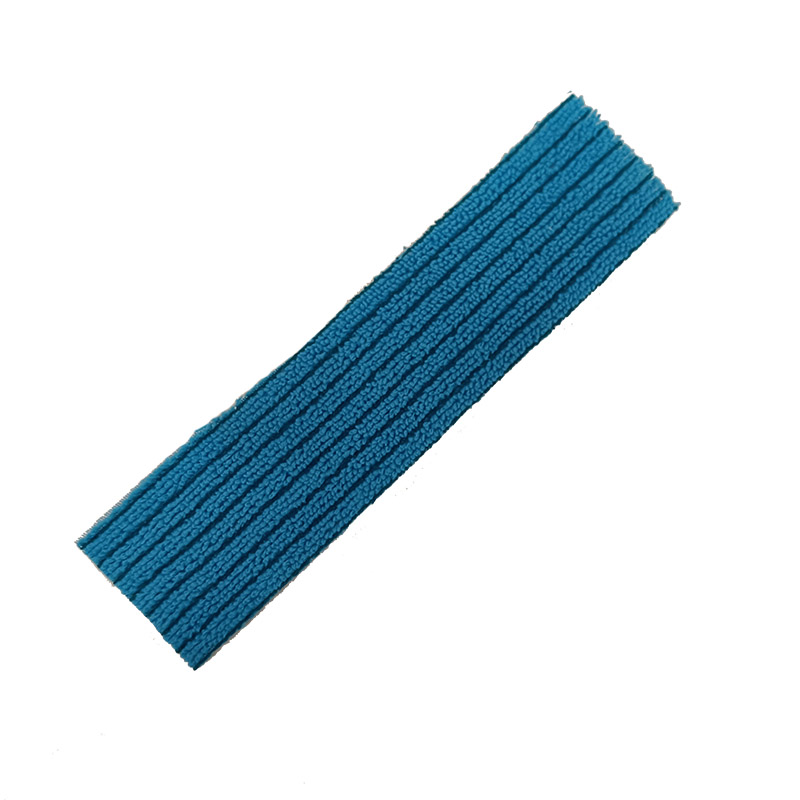
Disposable Cleanroom Mops Bulk Solutions for Superior Cleanliness
A Line That Stopped Chasing Particles
A semiconductor fab ran a reusable mop program for years and treated the laundry as a fixed cost. After a particle-count excursion shut a bay for a shift, the team traced the source to fibres shed from a mop that had been rewashed past its rated cycle. Switching to disposable cleanroom mops bulk removed the variable entirely, because every unit enters the room sealed and leaves as waste. Within two weeks the particle trend flattened and the shift-loss incident did not repeat.
Why the reusable program hid a risk
Reusable mops depend on a wash process that itself must be validated, monitored and recertified. That validation is easy to let slip when volumes rise, and a single off-spec wash seeds every room the mop touches next. Disposable cleanroom mops bulk bypass that link, since the product is certified once at the factory rather than re-certified after every use by an in-house laundry that may not be measuring what matters. The fab's quality lead described the change as removing a question mark from the daily log.
What the bulk switch actually changed
The change was not only about cleanliness. Operators stopped queuing at the wash station, the storeroom stopped holding dirty carts, and the quality log stopped showing the slow upward creep that had become background noise. Disposable cleanroom mops bulk turned a variable process into a fixed one, which is exactly what a controlled environment prefers over a cheap-looking one. The saving showed up first in time, then in the particle chart, and finally in the audit.
Disposable cleanroom mops bulk also simplified training, because a new hire learns one action, open and use, instead of a wash-and-verify routine. The fab reported fewer variance tickets where the old reusable program had drifted, and supervisors credited removing a step nobody enjoyed policing. A program with fewer moving parts fails less often, which is why disposable cleanroom mops bulk outperform a clever reusable one.
The Cost of Cross-Contamination
Shedding and fibre carryover
Every textile sheds. The question is whether the shed material stays in the room or rides the mop into the next one. Laundered mops carry the highest risk because they move between rooms and between washes. Disposable cleanroom mops bulk are used once and discarded, so the fibre budget per room stays bounded and auditable instead of drifting with the laundry load that nobody samples at the right moment.
Disposable cleanroom mops bulk turn the fibre budget into a purchasing decision rather than a laundry outcome, so the manager can state the shed limit on the order and hold the supplier to it. That shift from hope to contract is why bulk programs pass audits that reusable ones only survive when the wash log happens to be current.
The hidden price of in-house laundering
Laundering looks cheap until the water, validation, labour and rejected loads are booked against it. A site that tracked the true cost found the reusable program cost more per clean square metre than a sealed disposable alternative. Disposable cleanroom mops bulk shift that spend into a single purchase order with a known certificate, which finance can actually compare line by line rather than estimating the laundry's real burden after the fact.
Disposable cleanroom mops bulk also end the argument about who owns wash quality, which practically means fewer midnight exceptions logged. The storeroom lead called the change a recurring problem removed rather than a new line item, and finance agreed once the two were compared side by side.
What the Mop Is Made Of
Fibre, edge seal and pack integrity
Low-shed performance comes from the fibre and the edge. A sealed border stops the yarn from fraying during the pass, and a tight knit holds particles instead of broadcasting them. Disposable cleanroom mops bulk supplied with a validated seal and a lot certificate remove the guesswork, because the claim is backed by a test number rather than a marketing line on the box. The seal is the part that fails first when a cheap mop is pushed too hard.
Sterility and grade matching
Grade drives the spec. An ISO 5 bay needs a different mop than an ISO 8 storeroom, and mixing them wastes money or invites risk. Disposable cleanroom mops bulk let each zone draw the right grade from the same programme, so the cleanroom never pays aerospace prices for a corridor that only needs basic control. Matching grade to zone is the simplest saving in the whole programme, and it keeps the storeroom list short.
Building a Bulk Program That Pays
Standards and documentation to reference
Documentation is what makes a bulk purchase defensible. ISO 14644-1 sets the cleanliness classes, ISO 14698 covers biocontamination control, and IEST-RP-CC004 guides filter and media testing that applies to mop media as well. A purchase that names these on the order means a second supplier quotes the same thing instead of a lookalike that fails on the floor during the next survey.
A spec checklist that prevents surprises
State the target ISO class, the mop size and frame fit, the edge-seal requirement, the sterility state, and the volume per month with seasonality. Disposable cleanroom mops bulk quoted against that list come back comparable, and the receiving inspection becomes a one-page check rather than a debate. Suppliers such as ESUN list grade and certificate per lot, which keeps the audit trail clean from dock to bay without a second round of questions from the reviewer.
A two-week count of actual use beats any generic formula for setting the batch. High-grade bays burn mops faster than corridors, so the order should follow the zone map rather than a flat monthly number. Disposable cleanroom mops bulk sized this way keep the storeroom stocked through a spike and avoid the emergency premium that appears when a line runs dry mid-shift and the buyer is forced to pay for speed.
Frequently Asked Questions
Question: Are disposable cleanroom mops bulk cheaper than reusable ones?
Answer: Per unit, no; per clean square metre, often yes. Reusable mops carry wash validation, water, labour and rejected-load costs that rarely appear on the laundry invoice. A bulk disposable program bundles those into one certified purchase order, so the real comparison is total cost per cleaned area, not the price of a single mop that looks cheap on the quote.
Question: How many mops does a cleanroom need per shift?
Answer: It depends on zone grade, area and change frequency. A common rule is one fresh mop per mapped pass in higher grades, with lower grades allowing longer intervals. Tracking actual usage for two weeks gives a far better number than a generic estimate, and that count sets the bulk order that keeps the storeroom from running dry mid-shift when a bay needs it most.
Question: What ISO class should the mop match?
Answer: Match the mop to the room's ISO 14644-1 class, not to the whole building. An ISO 5 bay needs a sealed, low-shed mop, while an ISO 8 corridor can use a basic grade. Buying one grade for every space either wastes budget or invites risk, so grade-per-zone is the cheapest correct answer and keeps the programme simple to manage.
Question: Do disposable mops need a sterility certificate?
Answer: Only where the process demands it. Many dry cleanroom mops are supplied non-sterile but low-shed, while aseptic areas need a sterility claim with a lot certificate. Stating the required state on the order prevents a shipment that passes the floor test but fails the audit when the reviewer asks for the paper that proves the lot was treated.
Question: How should bulk mops be stored on site?
Answer: Keep them in their sealed packaging inside the change-area or a low-particulate store, away from traffic and moisture. Open only what a shift needs and log the lot on use. Good storage protects the certificate's value, because a sealed mop handled correctly stays valid until it reaches the floor and enters the room as intended.
Question: Which standards should a bulk order reference?
Answer: ISO 14644-1 for cleanliness class, ISO 14698 for biocontamination control, and IEST-RP-CC004 for media testing practice. Naming these on the purchase order makes a second-source quote describe the same product instead of a similar-looking substitute, which protects the programme when the primary supplier is short and the buyer must qualify a backup fast.