 EN
EN

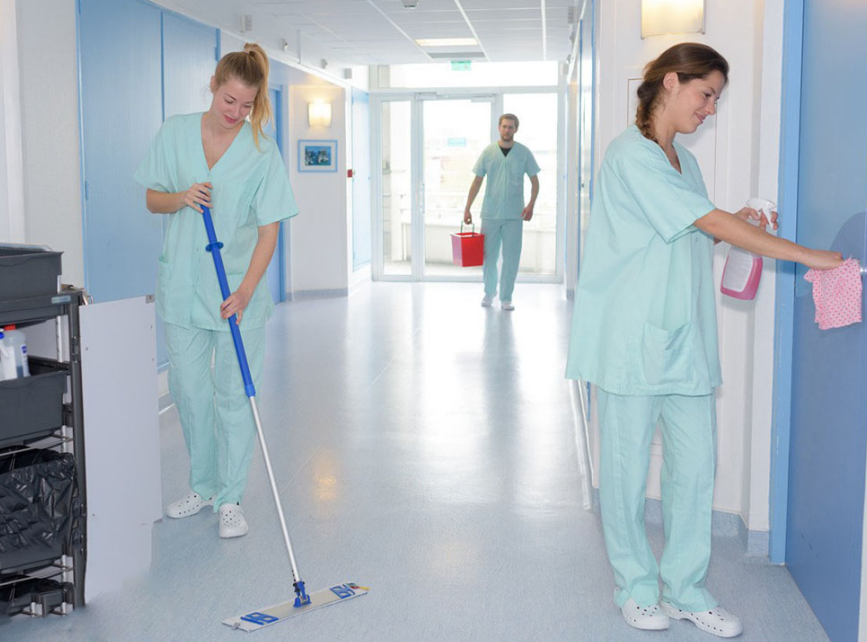
Total Cost of Ownership: Disposable vs. Reusable Mop Systems
Reusable mop systems generally cost about 60% more upfront than disposable options, but whether they're worth it really comes down to how often they get used and what kind of hidden costs pop up over time. According to a study from last year, these systems start making financial sense around the 88th use in places where mopping isn't constant work. But for better quality models, businesses usually need to go through at least 500 uses before seeing any real savings. The problem is most companies hit a wall here because the mop heads themselves tend to wear out pretty quickly. Experience shows that after roughly 40 to 70 cleanings, even good quality heads begin showing signs of deterioration. This means many facilities end up replacing them sooner than expected, which eats into those potential savings we were talking about earlier.
Hidden costs further tip the scales:
- Laundry labor ($18/hour avg.) adds $2.40 per wash cycle
- Water/electricity for sanitation consumes 0.7 kWh and 10 gallons per load
- Storage space for wet mops increases mold remediation risks
Mid-sized facilities using disposable systems report 22% lower annual spending ($840 vs. $1,075 for reusables) according to industry expenditure reports. The predictability of disposable supply chains avoids cost spikes from maintenance staffing shortages or utility rate hikes affecting reusable programs.
Initial Purchase Cost Comparison Between Disposable and Reusable Mops
A basic disposable mop handle costs $8–$12, with replaceable pads priced at $0.75–$1.50 each. Reusable systems require $50–$200 initial investments for commercial-grade handles and washable pads. However, 73% of facilities underestimate the 3:1 ratio of reusable accessories (wringers, buckets, detergent) needed for daily operations.
Long Term Costs in Facility Management: Ongoing Expenses Explained
Disposable systems lock costs at $0.85–$1.20 per cleaning session. Reusables fluctuate based on:
| Factor | Monthly Cost Range |
|---|---|
| Laundry detergent | $15–$40 |
| Water consumption | $8–$25 |
| Labor for sanitizing | $45–$120 |
These variables create 18–33% budget unpredictability across 36-month ownership periods.
Hidden Operational Costs of Reusable Mops: Laundry, Storage, and Maintenance
Facilities lose 12.5 hours monthly managing reusable mop logistics:
- 45 minutes daily transporting mops to laundry
- 2–3 hours weekly repairing worn handles
- $200–$600 annually replacing mold-damaged storage carts
Disposable programs eliminate these indirect expenses by centralizing waste management.
Durability and Replacement Frequency of Reusable Mop Heads
Commercial-grade microfiber pads lose 40% absorbency after 50 washes, prompting replacement cycles of 6–9 months even with perfect maintenance. At $22–$35 per new pad, facilities spend $265–$420 annually replenishing reusable inventories—a cost avoided with disposable’s pay-per-use model.
Data Insight: Average Annual Expenditure on Mopping Supplies in Mid-Sized Facilities
A 2023 survey of 420 facilities found:
| System Type | Annual Cost | Replacement Frequency |
|---|---|---|
| Disposable | $890 | 3 handle upgrades |
| Reusable | $1,210 | 14 pad replacements |
Disposable systems achieved 31% cost savings in high-turnover environments (schools, retail) due to reduced labor overhead.
Labor Efficiency and Workflow Advantages of Disposable Mops
Reducing Labor Costs with No Need for Mop Washing and Sanitizing
Disposable mops eliminate 7–12 minutes per shift typically spent washing, sanitizing, and drying reusable alternatives. This directly reduces labor expenses while removing hidden costs like detergent purchases and equipment maintenance. Staff can instead focus on high-value tasks like floor disinfection or responding to spills.
Time Savings from Eliminating Laundry Cycles in Cleaning Routines
Commercial facilities using disposable systems avoid 3–5 weekly laundry loads per cleaning team. This reclaims 18–22 hours monthly in staff productivity while reducing water consumption by 28 gallons per load, as noted in the 2023 Facility Management Report.
Enhancing Staff Productivity in High Traffic Commercial Environments
Disposable mop pads enable rapid room turnover in hospitals, schools, and retail spaces. Cleaning crews can service 22% more square footage per hour compared to reusable systems, as shown in airport terminal maintenance trials.
Case Study: Hospital Reduces Cleaning Labor by 25% Using Disposable Microfiber Mop Pads
A Midwest medical center adopted disposable microfiber mop pads and documented:
- 37 fewer weekly labor hours in environmental services
- 89% faster terminal cleaning between patient discharges
- Complete elimination of mop-related HAIs (Hospital-Acquired Infections)
Recent healthcare facility analysis confirms these findings, showing disposable systems reduce cross-contamination risks while improving workflow predictability.
Hygiene Performance and Infection Control Benefits of Disposable Mops
Minimizing Cross-Contamination with Single-Use Mop Pad Technology
Getting rid of old mops helps stop germs from spreading around because those same mops often carry bacteria from one spot to another. According to research published last year in a medical journal, hospitals that switched to disposable pads saw about two thirds fewer dangerous microbes moving across different surfaces than places still using their regular mops. These days many facilities have adopted colored pads too. Red ones go in bathrooms where there's obviously more dirt and mess, while blue pads are reserved for examination rooms and other clinical areas. This simple color system makes sure staff don't accidentally mix up which pad goes where, keeping potentially harmful contaminants contained within their proper zones instead of letting them spread throughout the building.
Consistent Absorbency and Cleaning Power in Every New Mop Pad
Unlike reusable mops that degrade through laundry cycles, disposable pads deliver standardized performance. Independent tests show new microfiber pads remove 98% of surface bacteria versus 73% for washed cotton mops (Facility Hygiene Journal, 2023). This reliability is critical in food processing plants where residual organic matter triggers contamination alerts during USDA inspections.
Infection Control in High-Traffic Areas: Why Disposables Excel
Hospitals using disposable systems report 42% fewer healthcare-associated infections (HAIs) in emergency departments. Airports adopting single-use protocols reduced norovirus outbreaks by 31% post-implementation, proving effectiveness beyond clinical settings. The elimination of mop-water reservoirs—breeding grounds for Legionella and Pseudomonas gives disposables a critical edge in infection-prone environments.
Environmental Impact and Sustainable Innovation in Disposable Mops
Evaluating Waste Generation from Frequent Disposable Mop Pad Use
Sure, single use systems do contribute to landfills and that's definitely something we need to worry about. But look at what happens when facilities implement modern disposable mop programs properly they actually cut down on waste. Facilities that mix things up by using disposable pads specifically in areas where contamination risks are highest, but keep their regular reusable mops for other spots, have seen their yearly trash output drop around 19%. These kinds of mixed strategies tackle cleanliness issues head on without making our planet problems worse. The key is finding that sweet spot between keeping things clean and not creating more garbage than necessary.
Carbon Footprint: Reusable Laundry Energy vs. Disposable Manufacturing
Lifecycle analyses reveal surprising efficiency in disposable mop production when accounting for laundry operations' cumulative impacts. Manufacturing 100 disposable microfiber pads generates 23% less CO₂ equivalent than weekly laundering of 10 reusable heads for a year, primarily through elimination of hot water cycles and chemical runoff from wash processes.
Next-Gen Eco-Friendly Disposable Mops: Biodegradable and Low-Impact Options
The latest industry breakthroughs have brought us disposable mops made from around 82% biodegradable stuff without sacrificing their effectiveness in medical settings. Top companies run recycling programs where they get back more than 80% of old mop material for reuse, something their 2024 sustainability reports actually back up. When we look at these improvements alongside new options using plant based plastics, it becomes clear that disposable cleaning systems can fit right into circular supply chain models rather than just being single use waste products.
Budgeting and Scalability for Schools, Hospitals, and Large Businesses
Cost-Effectiveness of Disposable Mops in Institutional Financial Planning
Disposable mops cut down on those surprise replacement expenses because they come with set prices for each use, which is really helpful for places like schools and hospitals that often work with limited funds. Sure, reusable options look cheaper at first glance (around $8 to $12 per head compared to just $1.50 to $3 for disposable ones). But when schools factor in all those hidden costs from washing them - around $2,100 a year for medium sized buildings alone plus the time staff spend maintaining them - they actually end up saving about 15% over the year. For bigger organizations running multiple buildings, getting bulk purchase deals can knock another 22 to 30% off their total spending. The 2024 Facility Financial Health Report found something interesting too: facilities that focus on predictable operating costs tend to stick to their cleaning budgets 34% faster than others.
Scaling Disposable Mop Programs Across Multi-Building Commercial Facilities
Large-scale implementation succeeds when facilities:
- Standardize cleaning protocols using color-coded disposable pads (red for restrooms, green for kitchens)
- Deploy wall-mounted dispensers at 1:3,000 sq ft ratio for optimal accessibility
- Train staff on cross-contamination prevention using single-use systems
A university reduced supply waste by 41% after scaling to 27 buildings by aligning disposable mop purchases with usage data from IoT-enabled dispensers.
Simplified Procurement and Inventory Management with Pre-Packaged Disposables
Pre-counted disposable mop bundles reduce overstocking risks by 63% compared to bulk reusable linen purchases. Modern systems integrate with inventory management platforms to auto-reorder supplies when stock dips below 15% capacity. Hospitals using RFID-tagged disposable pads report 92% accuracy in usage tracking versus 67% with traditional laundry services.
Table of Contents
-
Total Cost of Ownership: Disposable vs. Reusable Mop Systems
- Initial Purchase Cost Comparison Between Disposable and Reusable Mops
- Long Term Costs in Facility Management: Ongoing Expenses Explained
- Hidden Operational Costs of Reusable Mops: Laundry, Storage, and Maintenance
- Durability and Replacement Frequency of Reusable Mop Heads
- Data Insight: Average Annual Expenditure on Mopping Supplies in Mid-Sized Facilities
- Labor Efficiency and Workflow Advantages of Disposable Mops
- Hygiene Performance and Infection Control Benefits of Disposable Mops
- Environmental Impact and Sustainable Innovation in Disposable Mops
- Budgeting and Scalability for Schools, Hospitals, and Large Businesses