 EN
EN

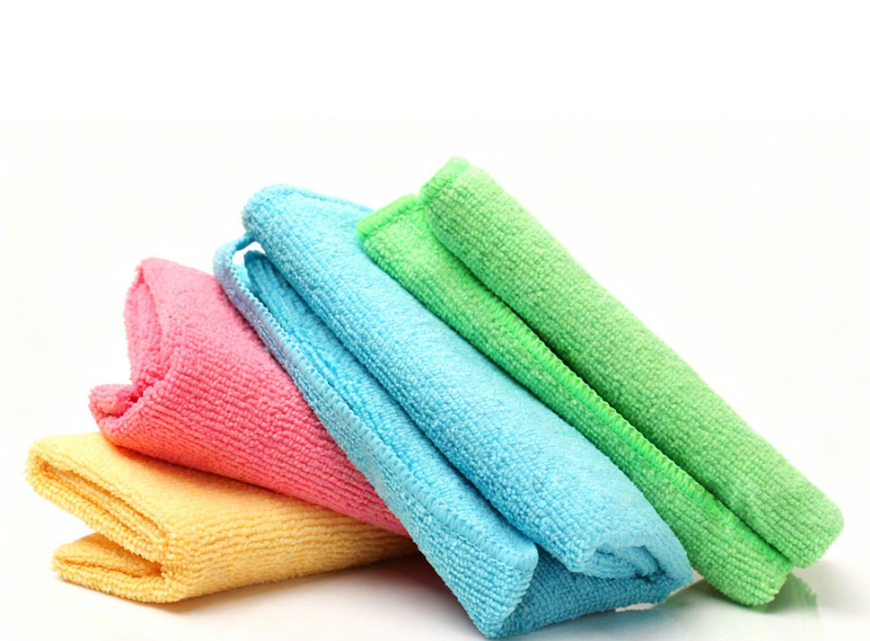
Superior Cleaning Performance of Microfiber Towels
Fine fiber technology enables deeper surface penetration and more effective dirt removal
The tiny split fibers in microfiber towels measure just 1/100th the width of a single human hair, giving them this amazing ability to grab onto dirt, grime, and even microscopic organisms. Studies indicate they can wipe away around 98.9 percent of bacteria from surfaces, which is quite a bit better than regular cleaning cloths that only manage about 92%. For places where cleanliness matters most, such as medical facilities or food preparation areas, this difference really counts. Hospital staff have found these towels indispensable for their daily cleaning routines because they just work so much better at keeping things sanitary compared to older methods.
Streak free, lint free results on glass, stainless steel, and sensitive surfaces
The tightly woven polyester polyamide blend resists shedding, delivering spotless finishes on glass, chrome, and lab equipment without residue. By eliminating the need to re clean due to lint, facilities reduce cleaning time by nearly 19% in controlled settings.
Non abrasive properties protect high touch and delicate equipment finishes
Softer than most synthetic fibers, microfiber safely cleans touchscreens, polished metals, and precision instruments without causing micro scratches. Facilities report a 31% drop in finish repairs on industrial machinery after transitioning from conventional wipes to microfiber systems.
Cost Effectiveness and Long Term Savings in Commercial Use
High durability reduces replacement frequency and supply costs
Certified for up to 500 industrial wash cycles (Textile Quality Institute 2023), microfiber towels last significantly longer than cotton cloths, which often require quarterly replacement. Their tear resistant, split fiber design minimizes premature wear—addressing a key driver of 34% of cleaning supply expenses in operations using lower quality alternatives.
Reduced reliance on disposable products lowers ongoing operational expenses
Reusable microfiber systems cut annual consumable spending by 60—80% (ISSA 2023). For example, school districts have replaced 14 tons of annual paper towel waste with just 200 machines’ worth of washable microfiber inventory. This shift also reduces hidden costs related to disposal, storage, and labor for restocking.
Proven ROI in large scale facilities such as offices, schools, and retail spaces
A 2024 cleaning efficiency study found corporate campuses recoup their microfiber investment within 18 months through measurable savings:
| Cost Factor | Microfiber Savings |
|---|---|
| Product Replacements | 78% Reduction |
| Chemical Usage | 55% Reduction |
| Labor Efficiency | 30% Improvement |
The Facility Management Journal (2022) reported a 91% return on investment over five years in hospitals using color coded microfiber systems, which reduced cross contamination incidents and simplified inventory management.
Environmental Benefits of Reusable Microfiber Towels
Reusability significantly cuts down on single use waste and landfill contribution
Commercial facilities using microfiber reduce paper towel consumption by 85% compared to disposable methods (Hospitality Waste Audit Report 2022). A typical hospital can divert 4.2 tons of disposable cleaning materials from landfills annually while meeting strict hygiene standards.
Lower chemical consumption reduces environmental toxicity and worker exposure
Microfiber’s electrostatic charge captures pathogens effectively, requiring 70% less disinfectant than cotton cloths (CDC Cleaning Guidelines 2023). This reduction prevents 14–22 gallons of harsh chemicals per facility from entering wastewater monthly, improving safety for cleaning staff and reducing environmental impact.
Lifecycle comparison: microfiber vs. paper towels and cotton rags
| Metric | Microfiber (500 washes) | Paper Towels | Cotton Rags |
|---|---|---|---|
| Water Use | 12,000 liters | 23,000 liters | 18,500 liters |
| CO2 Emissions | 45 kg | 82 kg | 67 kg |
| Waste Generated | 1.2 kg | 140 kg | 28 kg |
Source: 2023 Textile Sustainability Index
Despite higher initial production demands, microfiber offsets its footprint within 18 months due to an 8:1 reuse advantage over disposables.
Microfiber Towels in High Risk and Regulated Environments
Infection Control Advantages in Healthcare Settings Using Color Coded Microfiber Systems
Healthcare facilities often use color coded microfiber systems to reduce cross contamination risks. For instance, blue might be assigned to regular patient areas while red gets reserved for those dealing with biohazards. This approach follows guidelines set forth by various industry standards like Good Manufacturing Practice (GMP) and International Organization for Standardization (ISO) requirements for cleanrooms. The visual cues make it much easier to spot when staff are following the right cleaning routines. Studies conducted in hospital settings have shown that implementing such systems can cut down on the spread of pathogens between different departments by around seventy percent or more according to recent research findings published in medical journals last year.
Compliance with Food Safety Standards in Restaurants and Processing Facilities
Microfiber meets NSF requirements by removing grease from stainless steel without abrasion or lint residue—critical for passing audits. Food service operators report a 40% decrease in compliance violations after switching from cotton cloths to dedicated microfiber systems in prep areas handling raw meat and produce.
Consistent, Auditable Cleanliness in Hospitality and Industrial Operations
Hotels using numbered microfiber sets achieve 98% compliance during health inspections through traceable usage across guest rooms and common areas. In manufacturing, RFID tagged microfiber towels enable digital logging of equipment cleaning, reducing procedural errors by 55% in ISO certified environments. Their lint free performance ensures reliable results on electronics and machinery across shifts.
Versatility Across Surfaces and Cleaning Applications
High absorbency outperforms cotton and traditional cloths in spill management
Microfiber absorbs up to eight times its weight in liquid (Textile Technology Review 2023), enabling rapid cleanup of spills on floors, counters, and equipment. Unlike cotton, which spreads moisture, microfiber traps liquids efficiently—reducing slip risks and secondary contamination.
Effective for both wet and dry tasks — from electronics to floors
Electrostatic properties allow microfiber to attract dust when dry and release it upon rinsing, making it ideal for cleaning electronics without water exposure or scrubbing grime with chemical solutions. Hospitals note 23% faster room turnover using microfiber for multi surface cleaning (2024 Facility Management Report).
Reduces need for multiple cloth types, streamlining cleaning inventories
One microfiber towel can replace specialized cloths for glass polishing, grease wiping, and disinfecting. Convention centers and other large venues have cut cloth inventory costs by 37% by standardizing on microfiber, while maintaining compliance across food service, healthcare, and maintenance operations.