 EN
EN

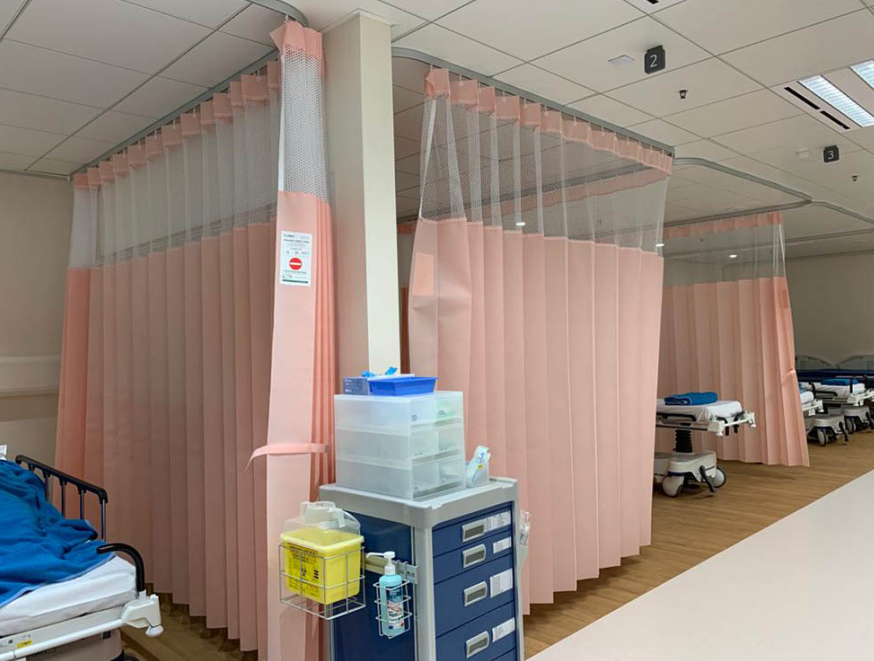
The Role of Medical Curtains in Infection Control and Patient Safety
How Medical Curtains Contribute to Infection Transmission Risks
In hospitals and clinics, medical curtains get touched all day long by doctors, nurses, patients, and anyone walking through the halls. While floors and equipment get wiped down regularly, these curtains tend to stay dirty much longer. The result? Germs hang around waiting to jump from one person to another. According to recent findings from the Hospital Surface Contamination Study released last year, nearly three out of four medical curtains had harmful bacteria like MRSA and Clostridium difficile growing on them after only seven days in service. The fabric itself is basically made for bad microbes to thrive - those thick layers trap moisture and provide plenty of hiding spots where germs can multiply. This means patients aren't just getting sick from touching contaminated surfaces but also breathing in tiny particles carrying these dangerous organisms throughout hospital rooms.
Link Between Contaminated Medical Curtains and Healthcare-Associated Infections (HAIs)
When hospital curtains aren't properly maintained, they actually play a role in raising Healthcare Associated Infection (HAI) rates across facilities. Research shows that in Intensive Care Units specifically, curtains that get dirty stay that way much longer than ones that are cleaned regularly. The numbers tell a story too - studies indicate around a 37 percent jump in infection risk when comparing dirty vs clean curtains. Germs stick to those fabric surfaces and then move onto staff hands, instruments used during treatments, even touching down on other parts of the room. This creates these little pathways where infections can travel between patients without anyone realizing it. And during bad virus seasons? Those germy spots on curtains can hang around for three whole days sometimes, making hospitals breeding grounds for sickness instead of healing places.
Impact of Curtain Hygiene on Patient Outcomes and Infection Rates
Keeping hospital curtains clean can cut down on pathogens in patient areas by almost 90%, which means lower chances of getting those nasty surgical site infections or blood infections. Hospitals that stick to cleaning schedules every two weeks tend to see around 22% fewer healthcare-associated infections each year according to reports. The benefits are even bigger for patients with weakened immune systems who face greater risks from things like Aspergillus fungus hiding in dirty fabric. When hospitals maintain clean curtains, these vulnerable individuals recover quicker and get discharged sooner too, often leaving the hospital about a day and a half earlier than they would otherwise.
Common Types of Medical Curtains and Their Unique Hygiene Challenges
Healthcare facilities primarily use three types of medical curtains–antimicrobial, disposable, and standard privacy curtains–each with distinct advantages and challenges in infection control.
Comparison of Anti-Microbial, Disposable, and Standard Privacy Curtains
Curtains treated with silver or copper compounds help stop bacteria from growing and meet important fire safety rules like NFPA 701 standards, which is why hospitals often use them in intensive care units and operating rooms. The disposable type used once then thrown away does prevent germs from spreading between patients in isolation rooms, but they create a lot more trash and cost extra money to get rid of properly. Regular polyester privacy curtains might save cash upfront, but they don't have those germ fighting properties. Studies actually found that pathogens start colonizing these standard curtains at about four times the rate compared to the treated ones just seven days after hanging them up in hospital settings.
Cross-Contamination Risks Associated with High-Touch Cubicle Curtains
The edges of hospital curtains and their pull handles get touched all the time in patient rooms. Research has found that about three out of every four curtains will show signs of dangerous germs such as MRSA and VRE just two days after being used. The problem gets worse for curtains placed close to sink areas where people wash their hands. These spots tend to have around 30 percent more contamination because water droplets carry microbes from the air onto wet fabric, making it easier for infections to spread throughout the facility.
Limitations of In-House Cleaning Methods for Medical Curtain Sanitation
Regular washing techniques just don't get deep enough into thick curtain materials, which means around 22 percent of germs stay behind after cleaning, as found in various fabric cleanliness studies. Professional cleaners who are properly certified can knock down microbes to nearly 99.9 percent when they run their special heat treatment cycles. These cycles need temperatures around 160 degrees Fahrenheit or 71 Celsius for at least quarter of an hour. That kind of result is way better than what most onsite laundry setups manage to accomplish. And let's not forget about drying either. When hospitals aren't careful with their drying procedures, mold problems go up by roughly 40 percent compared to facilities that use proper industrial dryers like those maintained by certified service companies.
Professional Medical Curtain Cleaning: Standards, Benefits, and Compliance
Why professional sanitation is critical for medical curtain hygiene
Standard hospital cleaning methods often miss the germs hiding deep inside curtain fabrics. Research from 2023 found that curtains cleaned on site had almost 40% more bacteria growing on them compared to ones handled by professional services. When experts get involved, they bring out heavy duty disinfectants and special machines that actually work their way through the fabric layers. These industrial tools knock out not just what's visible on surfaces but also those stubborn biofilms lurking beneath that can cause serious infections in patients.
Advantages of scheduled professional cleaning for infection prevention
Hospitals that stick to quarterly deep cleaning schedules for their curtains see around half the risk of healthcare-associated infections compared to places where cleaning is done randomly when staff remember it. Regular maintenance stops germs from building up especially when patient numbers are high, which makes following infection control rules much easier for facility managers. Plus there's money saved too these programs cut down on curtain replacements by nearly 30%. The fabric lasts longer because it gets cleaned properly before getting too dirty, so facilities don't end up spending extra cash replacing contaminated curtains in emergencies.
Key certifications: Compliance with CDC, OSHA, and HLAC laundry standards
Trusted providers follow three essential frameworks:
- CDC Guidelines: Thermal disinfection at a minimum of 160°F (71°C) for 25 minutes
- OSHA Standards: Bloodborne pathogen safety through documented handling procedures
- HLAC Certification: Third-party validation of healthcare textile processing
These standards ensure curtains undergo sterilization processes comparable to surgical instruments.
Choosing a trusted healthcare laundry service provider for medical curtains
Select providers that offer contamination rate audits, mobile cleaning units for onsite service, and digital tracking systems. Leading services now integrate RFID tags for real-time verification of sterilization status and automated scheduling aligned with Joint Commission inspection timelines.
Developing Effective Cleaning Schedules and Replacement Protocols for Medical Curtains
Recommended Frequency for Medical Curtain Cleaning in High Risk Areas
Medical curtains in high risk areas need special attention because they get exposed to all sorts of pathogens. That means places like intensive care units, operating rooms, and isolation wards really should have their curtains professionally cleaned every month. Outpatient clinics where people come and go less frequently might get away with cleaning every three to six months instead. Studies indicate that MRSA bacteria can actually start living on those ICU curtains within just two weeks time, which makes hospital acquired infections twice as likely when cleaning happens less than once a month. For hospitals working with patients who already have weak immune systems, it's probably wise to step up cleaning efforts to every other week especially during flu season when germs are spreading around so much more.
When to Clean or Replace Curtains: Visible Soiling, Isolation Use, and Outbreak Response
Go with a "spot it, swap it" approach when dealing with hospital curtains. If there are obvious stains, bodily fluids, or just general discoloration on any curtain, replace it right away without hesitation. Once someone leaves isolation, those curtains need to come down too since certain bugs like C. difficile can stick around for ages on fabric surfaces. When we're facing an outbreak situation with something nasty like norovirus or flu spreading through the facility, cut the curtain replacement schedule in half compared to normal times. This extra precaution helps stop germs from jumping between patients who share similar spaces later on.
Implementing Scheduled Cleaning and Replacement With Documentation
Use digital logs or RFID tagging to track all maintenance activities and ensure compliance with CDC, OSHA, and HLAC requirements. Example tracking protocol:
| Action | Frequency | Documentation Requirement |
|---|---|---|
| Routine Cleaning | Monthly | Service date + technician ID |
| Post-Isolation Replacement | Immediate | Patient ID + contamination type |
| Outbreak Response | Per facility protocol | Outbreak ID + replacement scope |
Identifying Signs That Indicate the Need for Professional Medical Curtain Cleaning
Schedule professional cleaning when curtains display:
- Persistent odors despite routine disinfection
- Visible mold growth along seams
- Frayed edges compromising barrier integrity
- Discoloration resistant to standard cleaning agents
Facilities without access to HLAC-certified laundering equipment should partner with accredited healthcare laundry providers to meet regulatory expectations and maintain patient safety standards.
Table of Contents
- The Role of Medical Curtains in Infection Control and Patient Safety
- Common Types of Medical Curtains and Their Unique Hygiene Challenges
- Professional Medical Curtain Cleaning: Standards, Benefits, and Compliance
-
Developing Effective Cleaning Schedules and Replacement Protocols for Medical Curtains
- Recommended Frequency for Medical Curtain Cleaning in High Risk Areas
- When to Clean or Replace Curtains: Visible Soiling, Isolation Use, and Outbreak Response
- Implementing Scheduled Cleaning and Replacement With Documentation
- Identifying Signs That Indicate the Need for Professional Medical Curtain Cleaning