 EN
EN

Space Efficiency of Medical Disposable Mops in Hospital Storage
Flat-Pack Design and Volume Reduction vs. Reusable Mop Systems
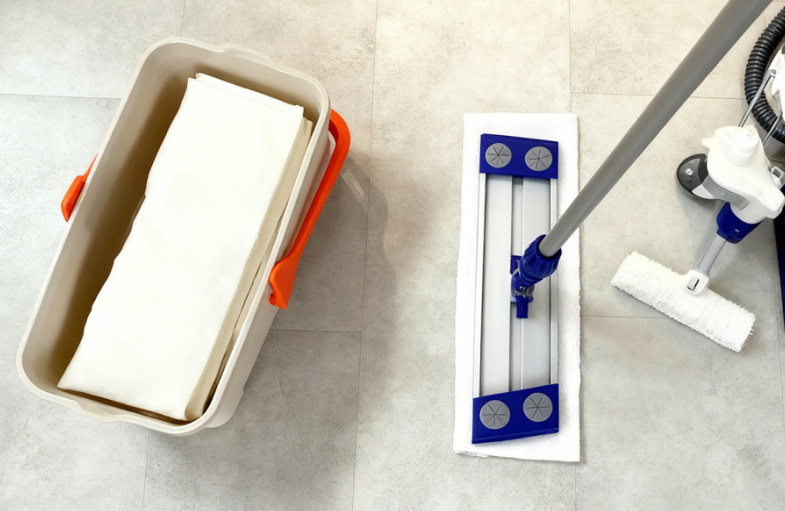
Disposable medical mops come in these clever flat pack, vacuum sealed designs that take up about 60% less space than those old school reusable ones according to actual checks done at hospitals. Traditional mops are so cumbersome with their stiff handles and separate buckets, but disposables just show up as neat little rectangles that stack together without all that wasted empty space inside. Plus they don't get moldy like the wet stuff does when it sits around in between uses. One big hospital chain saw their storage area expand by 42% once they made the switch, which meant they could finally fit all those important supplies into their tiny utility closets. And because these packs are so compact, shipping them cuts down on weight by roughly 35% compared to those bulky wheeled bucket setups, which obviously saves money on transportation and logistics over time.
Compatibility with Standard Supply Cabinets and Utility Closets
When it comes to hospital storage, standardized sizes really help everything fit together without headaches. These rectangular shaped items slide right into those standard 12 inch deep cabinets we see everywhere in healthcare facilities, plus they work great in tight utility spaces too. No need to go through the hassle of installing special shelves just for these supplies. The compact design makes a big difference on mobile carts where every inch counts. Thin profile packs take up about 30 percent less room compared to regular mop handles, which is actually quite significant given how crowded cart storage can get. Hospital staff who manage these areas report that the products work well with all sorts of storage solutions from fixed shelves to those rolling units that maximize floor space while keeping things accessible even when there's an urgent need to restock. And here's something important for infection control departments: the packaging stays sealed until opened, meeting all the necessary standards for maintaining clean storage zones according to health regulations.
Infection Control Compliance in Storage of Medical Disposable Mops
Segregation Protocols for Unopened, Sealed, and Soiled Units
Keeping things properly separated in hospital storage areas stops different items from getting mixed up and causing problems. Most hospitals have color coded bins and clearly marked sections for storing unused, sealed mops versus those that are dirty or contaminated. The clean ones need to go in dry cabinets where nobody walks around much, while any mop that has been used needs to go straight into special containers that won't leak. These visual markers help everyone remember where stuff belongs according to CDC guidelines on keeping things clean. Hospitals also train their staff every month about rotating stock so they don't accidentally put dirty mops back with the clean ones. This regular practice helps maintain proper hygiene standards across the facility.
Evaluating Sealed Packaging Integrity for Clean-Storage Zone Acceptance
Staff run through their regular visual checks before anything gets stored, following the checklist approved by the facility. They look at those tamper seals to see if anyone messed with them, scan for any signs of moisture damage, and spot any damaged parts that might let germs get in. Anything that doesn't pass these tests goes straight to the quarantine area and gets properly disposed of according to records. A few places actually use special lighting techniques to find tiny cracks in packaging materials that aren't visible under normal light. Regular checks of the environment around storage areas keep things clean and sterile, which matters a lot when we're talking about places like operating rooms where even small contamination risks can have serious consequences.
Supply Chain and Workflow Integration for Medical Disposable Mops
Just-in-Time Restocking, Shelf-Life Management, and Inventory Turnover
When hospitals implement just-in-time (JIT) restocking, they match delivery schedules to what staff actually need, cutting down on extra stock by around 40% compared to old school bulk buying methods. This cuts down on warehouse space needed while keeping supplies always available when needed. Managing shelf life matters too. Most disposable mops stay sterile between 12 to 24 months, so hospitals need to rotate them properly using first expired first out principles. Facilities that have gone digital with their inventory tracking hit about 98% compliance with expiration dates, saving roughly seven hundred forty thousand dollars each year according to research from Ponemon Institute back in 2023. Top performing hospitals manage supply turnover about 10 to 12 times a year, adjusting stock levels based on how different wards actually consume products. The result? About fifteen hours saved weekly for clinicians who no longer have to deal with inventory issues, freeing them up for hands-on patient work without any drop in infection control standards.
| Optimization Metric | Disposable Mop Advantage | Impact |
|---|---|---|
| Storage Space Reduction | 40–60% smaller footprint | Frees utility closets for critical supplies |
| Expiration Compliance Rate | 98% with FEFO systems | Prevents $740k annual waste (Ponemon Institute, 2023) |
| Annual Inventory Turnover | 10–12 cycles | Lowers carrying costs by 25–30% |
Comparative Storage Burden: Medical Disposable Mops vs. Reusable Alternatives
Medical disposable mops reduce storage space requirements by up to 70% per cleaning unit, according to healthcare facility efficiency studies—outperforming reusable alternatives across all key spatial metrics. Reusable systems demand dedicated infrastructure for:
- Wet/dry soiled mop segregation
- Cleaning chemical reservoirs
- Laundering equipment and associated utilities
Looking at how everything works from start to finish, reusable mop systems actually take up about three to five times more storage space than they need to. Hospital staff who handle cleaning report that roughly a quarter of all closet space gets used just for maintaining these mops. On the flip side, disposable mops have this neat compact design that frees up precious room elsewhere. Clinics can then put that extra space toward things like emergency equipment stockpiles or patient care areas instead. This makes sense for hospitals trying to stay prepared during outbreaks while keeping infection rates low at the same time.