 EN
EN

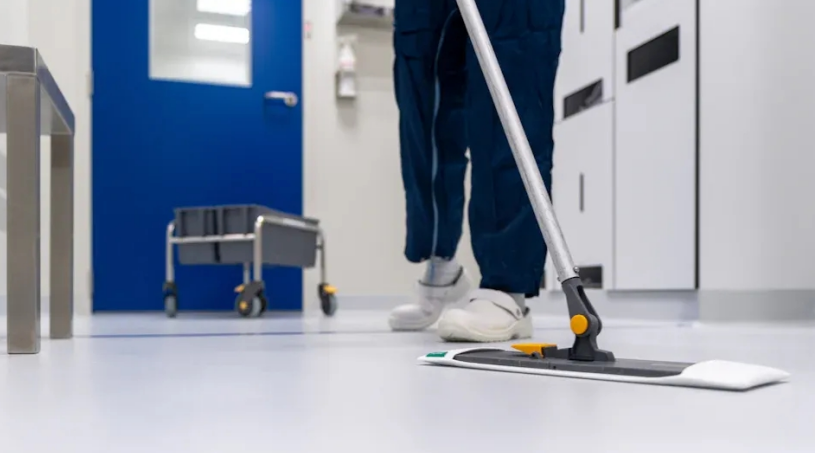
Cleanroom Mop Material Selection and Contamination Control
Polyester vs. Microfiber: Shedding, Absorption, and Particle Retention
What materials we pick makes all the difference for keeping contaminants at bay in those ISO certified cleanrooms. Polyester stands out for resisting chemicals pretty well, though tests show it actually sheds about 38% more particles than microfiber does when people wring them out. The reason microfiber works so great is because of those tiny split fibers that grab onto 99.3% of those super small 0.5 micrometer particles through static electricity while also soaking up liquids equal to eight times their own weight. There's a catch though - since microfiber isn't as strong as polyester, these fibers tend to break apart more easily after going through around 30 or so sterilization cycles. Manufacturers working in really sensitive areas like ISO Class 3 to 5 spaces have found that special versions of microfiber cut down on particle shedding by about 72% versus regular polyester mixes according to testing standards set forth in document IEST-RP-CC004.3.
Chemical Resistance and Disinfectant Compatibility for Cleanroom Mops
How well mops work with different sterilizing chemicals really affects how long they last and what kind of contamination risks there are. Polymers that resist IPA maintain their structure after about 50 or so cleaning cycles. Materials that aren't compatible start breaking down after just around 15 uses, and this breakdown releases way too many particles - over 200 thousand per square meter. Weaves designed for hydrogen peroxide have about 90 percent less damage compared to regular ones that haven't been treated. Fabrics made to handle quaternary ammonium compounds stop surfactants from getting absorbed, which helps avoid redepositing dirt back onto surfaces. Facility managers should definitely check those material safety data sheets against whatever disinfectants are being used on site. When these don't match up properly, studies show that microbial load actually goes up by 40 percent, based on recent checks of contamination controls across various healthcare settings.
Non-Shedding Certification Standards and Weave Density Impact on Cleanroom Mop Efficacy
The tightness of fabric weave combined with proper certification standards plays a major role in controlling particulate matter. According to IEST-CC0036 standards, Class 10 certified materials emit no more than one particle per square centimeter at sizes above 0.5 microns, while uncertified options can produce as many as 27 particles in the same area. Fabrics woven at 120 threads per inch in both directions cut down on shedding by about two thirds when compared to the standard 80x80 construction pattern. What really makes a difference though are those heat sealed edges which completely stop any kind of edge related fragmentation issues. Testing done using Helmke drums shows these certified non shedding mops keep particle counts below five per cubic foot even in strict ISO Class 5 cleanrooms. This matters a lot in semiconductor production facilities where just one tiny 0.3 micron particle floating around could ruin an entire wafer worth approximately seven hundred forty thousand dollars according to research published by Ponemon back in 2023.
Cleanroom Mop Design and Operational Reliability
Flat vs. String Cleanroom Mops: Contact Uniformity, Liquid Control, and Recontamination Risk
Flat mops provide better contact across surfaces because they apply pressure evenly all over the mop head. This matters a lot in cleanrooms rated ISO Class 3 to 5 where keeping particles to a minimum is essential after cleaning. These mops work well on different surfaces too floors, walls even ceilings since they don't leave behind loose fibers. Plus, their design helps prevent dirt from getting back into the environment when wrung out properly. String mops soak up more liquid which makes them good for dealing with big spills in less sensitive areas like ISO Class 6 through 8 spaces. But there's a catch they tend to shed more fibers and spread water unevenly. Those loose threads actually catch debris and then spread it around again when someone wrings the mop. So if we want reliable operations, it really comes down to picking the right mop for each area. Flat mops belong in places where cleanliness matters most, while string mops should only be used where managing large amounts of liquid is more important than controlling tiny particles.
Disposable vs. Reusable Cleanroom Mop Systems: Lifecycle Validation Burden and Residue Metrics
Getting rid of disposable cleaning systems means no need for reprocessing validation, but these items definitely come with bigger ongoing expenses and create way more trash over time. When it comes to reusable mops, facilities face a different challenge altogether. These need thorough validation throughout their entire life cycle, which includes checking for residue buildup after at least fifty wash cycles according to industry standards like ISO 14644-1. While the upfront validation costs for reusable options are roughly 30% higher than disposables, many cleanrooms actually save money in the long run because of reduced particle counts. The numbers tell an interesting story too. If not properly maintained, those same reusable mops can shed anywhere from double to quintuple the amount of microfibers compared to single-use alternatives, which obviously messes up contamination control efforts. Facility managers have to weigh several factors before deciding which approach works best for them including how much money they want to spend on validation, the size of their operations, and their commitment to reducing environmental impact.
Performance Validation: Aligning Cleanroom Mop Efficacy with Environmental Standards
Particle and Fiber Residue Measurement Using ISO 14644-1 Class Verification Protocols
To check how well cleanroom mops work, we need to count what's left behind in terms of particles and fibers according to the ISO 14644-1 guidelines. The ISO standard basically sets out different ways to count these tiny bits, covering nine levels of cleanliness. It can detect particles down to just 0.1 micrometers in size. When testing these mops, they simulate actual conditions where they'll be used so we can see if they release any unwanted particles or fibers into the air. For instance, in pharmaceutical cleanrooms rated at ISO Class 5, there should be no more than 3,520 particles per cubic meter that are 0.5 micrometers or larger. Regular checks are important because they help ensure that the mops keep the cleanroom environment intact while also protecting products from contamination and meeting all necessary regulations.
Human and Process Factors in Cleanroom Mop Performance
Material choice matters, sure, but what really makes or breaks things in practice is how people actually work and follow procedures day to day. Studies show that around 70 to 80 percent of all contamination issues in cleanrooms come from staff activities according to ISO standards. That's why proper training just cannot be ignored when talking about cleanroom operations. When someone forgets to put on their protective gear right or skips a step while cleaning floors, microscopic organisms get introduced into environments where they shouldn't be, messing up even the most expensive certified mopping systems. Good SOPs need to cover everything from checking equipment before use to knowing exactly how to fold materials properly and wipe surfaces in one direction only to avoid spreading dirt back around. Facilities that track when workers deviate from these rules tend to see three times more particles floating around in sensitive areas. Regular skill checks and mock contamination exercises help keep everyone sharp because let's face it, no matter how fancy the technology gets, if humans aren't following basic principles consistently, nothing works as intended.