 EN
EN

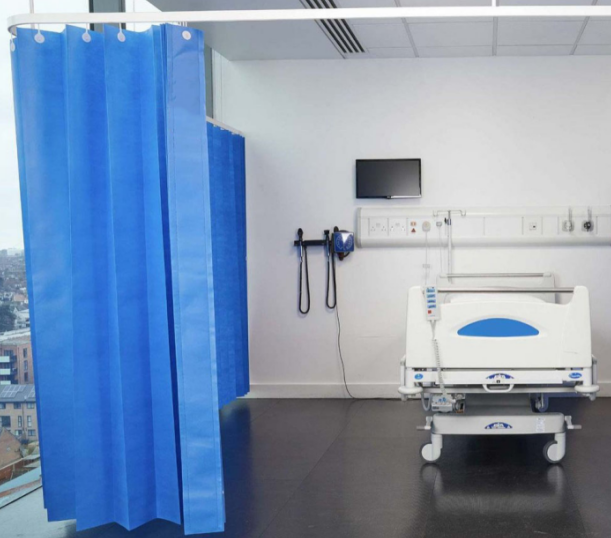
Antimicrobial Fabrics: Reducing Pathogen Transmission in Medical Curtains
How Silver-Ion, Copper-Infused, and TiO₂-Coated Textiles Inactivate Microbes
Textiles treated with silver ions work against microbes by releasing positive charges that get through their cell walls and mess with DNA replication. Fabrics infused with copper create something called reactive oxygen species which basically eat away at pathogens' membranes until they burst. Titanium dioxide coatings do their thing through a process known as photocatalysis. When hit by light, these coatings make hydroxyl radicals that break down all sorts of organic stuff like viruses and even those tough antibiotic resistant bacteria we hear so much about. Lab tests show these materials can cut microbial counts by over 99 percent just a couple hours after contact. The fact that there are multiple ways these materials fight germs means they keep working even between cleanings, which is why hospitals find them so useful for things like curtains in patient rooms where people constantly touch them throughout the day.
Clinical Evidence Linking Antimicrobial Medical Curtains to Lower HAI Rates
Medical facilities that have started using antimicrobial curtains are seeing much better results when it comes to reducing infections picked up during hospital stays. Research from earlier this year looked at twelve intensive care units nationwide and discovered something pretty impressive - places with these special silver treated curtains saw almost thirty percent fewer cases of MRSA spreading around compared to regular fabric curtains. The Centers for Disease Control has been tracking outbreaks too, and their reports show that dirty fabrics actually play a role in about one out of every six hospital acquired infections. These antimicrobial options really cut down on the problem because they keep bacteria levels under control, staying below five colony forming units per square centimeter even after a whole week of constant use. This supports what the World Health Organization recommends about creating physical barriers in hospitals while also cutting back on needing so many harsh chemicals for cleaning.
Flame-Resistant Materials: Meeting Critical Safety Standards for Medical Curtains
Inherent FR Polyester vs. Chemically Treated Fabrics: Performance and Compliance (NFPA 701, Euroclass B-s1, D0)
Flame-resistant (FR) medical curtain fabrics fall into two categories: inherent FR polyester and chemically treated textiles. Both must meet stringent safety benchmarks—including NFPA 701 and Euroclass B-s1/D0—which require fabrics to self-extinguish within 2 seconds of flame exposure and limit charring to under 4 inches.
Key performance differences include:
- Lifespan: Inherent FR polyester retains flame resistance permanently without degradation; chemically treated fabrics lose effectiveness after ~5 years and require reapplication.
- Cost: Inherent options cost $25–$35/m² versus $12–$18/m² for treated alternatives.
- Compliance risks: Treated fabrics may fail safety audits if re-treatment schedules lapse, whereas inherent FR polyester consistently passes inspections.
Hospitals must prioritize inherent FR materials in high-risk zones (e.g., surgical suites), where permanent compliance is non-negotiable. Lower-traffic areas may opt for treated fabrics—provided strict maintenance protocols are enforced. Industry testing confirms FR medical curtains reduce fire hazards by up to 60% in clinical settings.
Fluid-Resistant and Barrier Solutions for High-Risk Clinical Environments
Comparing Polyethylene Mesh, Crypton®-Treated, and Lead-Lined Options for Infection Control and Radiation Safety
Medical curtains in high risk clinical settings need to provide good protection from both fluids and radiation exposure. Polyethylene mesh material works well because it's light but still resists fluid penetration thanks to its tight weave and non porous nature. These kinds of curtains are especially useful in isolation rooms where containing splashes becomes really important during procedures. Another option comes from Crypton treated fabrics which not only repel fluids but also contain built in antimicrobial properties that help stop pathogens from growing on surfaces. This makes them great for busy areas such as intensive care units where infection control remains a top concern. When dealing with radiation safety issues, lead lined curtains rated between 0.5 to 1.0 mm lead equivalency do an excellent job blocking stray radiation in imaging departments without compromising how they hang or function day to day.
Key considerations include:
- Infection control priority: Polyethylene and Crypton® excel in fluid resistance and ease of disinfection
- Radiation zones: Lead-lined curtains are mandatory near X-ray and CT equipment
- Material tradeoffs: Breathability is reduced with lead lining; polyethylene offers superior fluid blocking but less aesthetic flexibility
- Maintenance impact: Non-porous surfaces support rapid, reliable disinfection and resist biofilm accumulation
Clinical outcomes depend on matching material properties to environmental risks—operating rooms favor fluid-blocking polyethylene, while oncology and radiology units require lead-lined barriers. This targeted selection minimizes cross-contamination and occupational exposure.
Durability and Disinfection Compatibility: Ensuring Long-Term Performance of Medical Curtains
Medical curtain materials must withstand rigorous daily disinfection protocols while maintaining structural integrity to prevent pathogen harborage. Fabric degradation under repeated cleaning creates micro-cracks and pilling—ideal niches for microbial colonization. Key compatibility factors include:
- Chemical resistance: Non-porous synthetics like polyester blends resist degradation from sodium hypochlorite, quaternary ammonium compounds, and alcohol-based disinfectants
- Seam integrity: Reinforced stitching prevents tearing during frequent laundering and handling
- Colorfastness: Fade-resistant dyes preserve visual cues for soilage detection, supporting consistent inspection protocols
The smoothness of non porous surfaces really helps disinfectants work better because they stay in contact longer and don't trap residues like textured or porous materials do. When materials break down too soon, it speeds up how fast they need replacing which means higher costs over time for operations. Hospitals and clinics that choose materials compatible with proper disinfection methods maintain effective infection control even after many cleaning cycles. This approach has been shown to reduce the occurrence of Healthcare Associated Infections (HAIs) significantly.
Table of Contents
- Antimicrobial Fabrics: Reducing Pathogen Transmission in Medical Curtains
- Flame-Resistant Materials: Meeting Critical Safety Standards for Medical Curtains
- Fluid-Resistant and Barrier Solutions for High-Risk Clinical Environments
- Durability and Disinfection Compatibility: Ensuring Long-Term Performance of Medical Curtains