 EN
EN

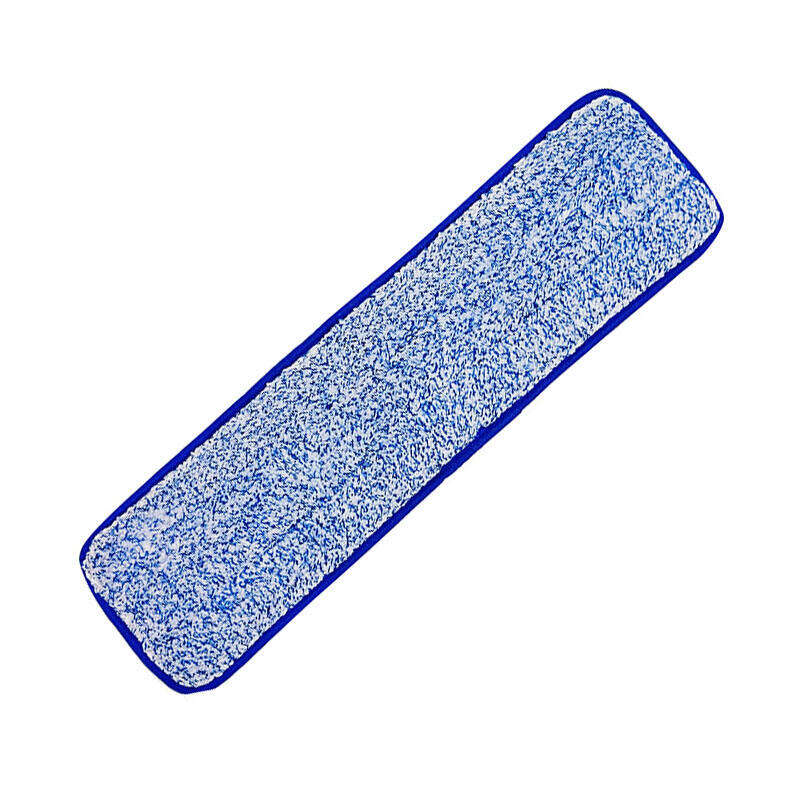
What B2B Buyers Should Evaluate in a Floor Cleaning Mop Supplier
A floor cleaning mop purchased at 2.50 per unit that sheds microfiber strands after three launderings, leaves streaks on healthcare flooring, or arrives in packaging that fails the receiving inspection costs far more than a 3.80 mop from a supplier with documented quality systems and responsive after-sales support. B2B procurement of cleaning products evaluates three dimensions beyond unit price: certification and quality systems, sample policy and performance testing, and after-sales support and supply chain reliability.
Beyond Price — Certifications, Sample Policy, and After-Sales
A floor cleaning mop supplier's certifications indicate whether their manufacturing process is controlled or inconsistent. ISO 9001 certification means the supplier operates a documented quality management system with defined processes, documented procedures, and corrective action mechanisms. BSCI certification addresses labor practices and working conditions — increasingly required by European and North American institutional buyers as a condition of supplier onboarding. A supplier holding both certifications has invested in the compliance infrastructure that separates professional manufacturers from trading companies. ESUN, with 17 years of non-woven and microfiber cleaning expertise and ISO 9001/BSCI certified production, demonstrates this level of manufacturing commitment.
Real-World Case — A Facility Management Company Audits Its Mop Supply Chain
A facility management company servicing 200 commercial buildings across Germany experienced a 12% rejection rate on incoming floor cleaning mop shipments — microfiber pad dimensions varying by ±8 mm, pad backing delaminating after three industrial laundry cycles, and inconsistent cleaning performance across batches. The company audited its two suppliers. Supplier A operated from a rented warehouse with no in-house production, sourcing from three different factories and providing no batch-level quality documentation. Supplier B — fully audited with ISO 9001 certification — maintained raw material traceability, in-line tensile strength testing on microfiber yarn, and pre-shipment dimensional inspection on every production batch. The company consolidated all procurement to Supplier B. Rejection rate dropped below 1% within six months, and the company eliminated the cost of incoming inspection sampling because batch-level test certificates accompanied every shipment.
ISO Certification and Quality System Assessment
ISO 9001, BSCI, and Product Testing Documentation
ISO 9001 certification for a floor cleaning mop supplier confirms that the manufacturer operates under a documented quality management system covering raw material receiving inspection, in-process quality checks, finished product testing, non-conforming product control, and corrective action procedures. A supplier should provide their ISO certificate with the issuing body's name and certificate number — allowing verification on the issuing body's public database. BSCI certification covers labor practices, working hours, health and safety, and environmental compliance. Product testing documentation — TDS (Technical Data Sheet) for each product — should specify material composition, weight per square meter, absorbency, and laundering durability. A supplier unable to provide a TDS for their own product cannot control its performance.
Sample Policy as a Supplier Evaluation Tool
What to Request, How to Test, and When to Walk Away
A floor cleaning mop supplier's sample policy reveals their confidence in their product and their commitment to the customer relationship. Request a pre-production sample in the exact material specification — not a similar "reference sample" from a different production batch. Test the sample through the intended use cycle: floor cleaning performance on the target surface, laundering at the specified temperature and detergent, and dimensional stability after three wash-dry cycles. Suppliers that charge for samples, ship without batch traceability, or refuse to provide material composition documentation are suppliers whose production quality cannot be verified — and whose shipments should not be trusted without incoming inspection.
After-Sales Support and Long-Term Partnership
Five Support Elements That Separate Reliable Suppliers
First, batch-level quality documentation — each shipment accompanied by inspection records for the specific production batch, not a generic certificate. Second, complaint response — documented corrective action within 48 hours of notification, not weeks of silence. Third, supply continuity — safety stock maintained for regular SKUs to absorb demand fluctuations. Fourth, technical support — a contact person who understands the floor cleaning mop product and can advise on material selection for specific floor types and cleaning protocols. Fifth, continuous improvement — supplier-initiated suggestions for material or design changes that improve performance or reduce cost, indicating the supplier is engaged with the product rather than simply filling orders.
Frequently Asked Questions
What certifications should a floor cleaning mop supplier have?
A floor cleaning mop supplier for B2B procurement should hold ISO 9001 for quality management and BSCI for ethical manufacturing. ESUN holds both certifications along with TDS documentation for all products, providing the quality assurance that institutional buyers require.
How should a B2B buyer test mop samples?
Request pre-production samples in the exact material specification. Test the floor cleaning mop through full use cycles — cleaning performance on the target surface, laundering at operational temperature, and dimensional stability after three wash-dry cycles. Verify the sample matches the TDS specifications.
What documentation should accompany each shipment?
Each floor cleaning mop shipment should include batch-specific inspection records covering dimensional verification, visual appearance, and material conformance — not a generic certificate. A supplier unwilling to provide batch-level documentation cannot verify batch-to-batch consistency.
Why does BSCI certification matter for cleaning product suppliers?
BSCI certification verifies that a floor cleaning mop supplier meets international standards for labor rights, working conditions, health and safety, and environmental compliance — increasingly mandatory for European and North American institutional procurement contracts.
How can a buyer verify a supplier's ISO certification?
Verify the floor cleaning mop supplier's ISO certificate number directly on the issuing certification body's public database. A PDF certificate alone may be expired, suspended, or belong to a different legal entity — cross-check the company name, scope, and validity dates.
What after-sales support should a B2B mop supplier provide?
A floor cleaning mop supplier should provide batch-level quality documentation, 48-hour complaint response with documented corrective action, safety stock for regular SKUs, technical product support, and proactive continuous improvement suggestions — not just order fulfillment.