 EN
EN

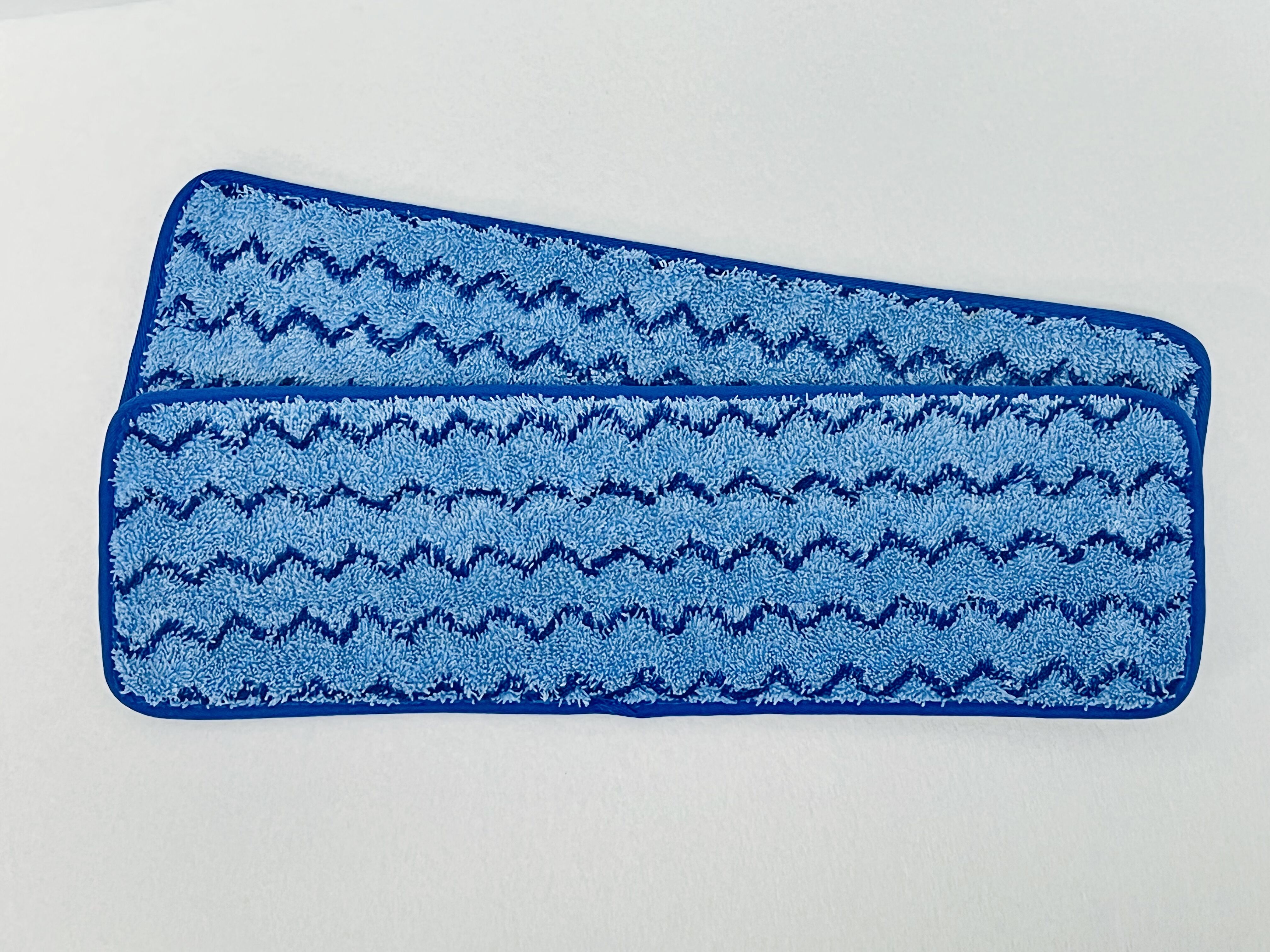
The Laundered Mop Problem — How Reusable Mops Become Pathogen Reservoirs
A reusable mop head cleaned 15 patient rooms across an 8-hour shift, then laundered at 71°C with hospital-grade detergent, should return pathogen-free. Research shows it often does not. A 2013 CleanLink study sampled laundered microfiber mop heads from 11 hospitals and found 27% tested positive for pathogens after commercial laundering. The mop head — warm, damp, and nutrient-rich — becomes a portable biofilm delivery system.
Biofilm Persistence, Cross-Contamination, and the Limits of Commercial Laundering
Three mechanisms explain why laundered mop heads fail as infection control tools. First, biofilm persistence — bacteria in the fiber matrix produce extracellular polymeric substances shielding them from detergent and thermal disinfection. A 71°C wash kills planktonic bacteria but may not penetrate a mature biofilm. Second, laundering variability — wash temperature, detergent concentration, and mechanical agitation differ between facilities. Third, post-laundry re-contamination — a mop head surviving the wash can be contaminated during transport, storage, or handling. Disposable mop heads break this chain — the mop used in a C. difficile isolation room is discarded, never entering the laundry.
Real-World Case — A Hospital's Floor Hygiene Audit Triggers a Protocol Change
A 350-bed teaching hospital in the United Kingdom conducted environmental sampling of patient room floors after terminal cleaning in 2023. ATP bioluminescence readings — above 250 RLU indicating inadequate cleaning — were taken after housekeeping finished each room. Reusable cotton mop heads with neutral detergent produced a 42% pass rate. When the hospital switched to disposable mop heads manufactured by ESUN — a hygiene solutions provider since 2009 with ISO 9001 and BSCI certification — paired with a quaternary ammonium disinfectant, the pass rate rose to 91%. Root-cause analysis showed laundered mop heads arriving from the external laundry had pre-use ATP readings averaging 180 RLU — approaching the failure threshold before the first room. With disposable heads, pre-use contamination was eliminated.
Infection Control Efficacy — What the Research Shows
Pathogen Reduction Rates: Disposable Microfiber vs Laundered Cotton vs Laundered Microfiber
Comparative studies consistently rank disposable mop heads above laundered alternatives for pathogen reduction on environmental surfaces. Disposable microfiber mop heads achieve 95% to 99% microbial reduction when used with a compatible disinfectant, versus 68% to 85% for laundered cotton string mops, according to multiple peer-reviewed healthcare environmental hygiene studies. The mechanism is twofold. Microfiber's split-fiber construction — producing 200,000 fibers per square inch versus 150 to 200 for cotton — mechanically traps and removes microorganisms rather than spreading them. The single-use protocol ensures every room begins with a sterile tool.
Operational Efficiency — Laundry, Labor, and Inventory Costs
Eliminating the Laundry Loop and Simplifying Inventory Management
The operational case for disposable mop heads is built on eliminating the laundry loop. A hospital cleaning 200 patient rooms daily with reusable mop heads generates approximately 40 to 60 kg of soiled mop laundry per day — requiring segregation, bagging, transport, washing, drying, folding, return, and distribution, consuming approximately 2.5 FTE labor hours daily. Disposable mop heads eliminate every step after "remove from frame, discard." The cost comparison is purchase price plus laundry labor, utilities, transport, degradation replacement, and the cost of a single HAI that floor contamination may have contributed to.
Selection Criteria for Healthcare and Cleanroom Applications
Material Composition, Sterility Grade, and Compatibility with Disinfectant Chemistry
Not all disposable mop heads are equal. Material composition — split microfiber (polyester-polyamide blend) provides superior microbial removal versus spunbond polypropylene, which is cheaper but mechanically less effective at trapping organisms. Sterility grade — gamma-irradiated or ethylene oxide-sterilized mop heads are required for ISO Class 5 to Class 7 cleanrooms; non-sterile but clean-manufactured heads are acceptable for general healthcare. Disinfectant compatibility — quaternary ammonium compounds, hydrogen peroxide, and sodium hypochlorite (bleach) at healthcare concentrations must not degrade the mop head fiber or binding agent during the 5 to 10-minute contact time required for disinfection. A mop head that sheds fibers or delaminates under disinfectant exposure introduces particulate contamination that defeats the purpose of the cleaning protocol. ESUN manufactures disposable mop head products with TDS documentation, supporting healthcare facilities in verifying material compatibility with their approved disinfectant chemistries.
Frequently Asked Questions
How do disposable mop heads reduce hospital infection rates?
Disposable mop heads eliminate the risk of cross-contamination between patient rooms because each room starts with a sterile tool. Research shows disposable microfiber achieves 95% to 99% pathogen reduction versus 68% to 85% for laundered cotton. ESUN supplies healthcare-grade disposable cleaning products with documented material specifications.
Are disposable mop heads more expensive than reusable mops?
Purchase price per unit is higher, but total cost — including laundry labor, utilities, transport, reusable inventory replacement, and HAI risk — favors disposable mop heads in infection-prone environments. A single preventable HAI dwarfs the mop head budget.
What are disposable mop heads made of?
High-quality disposable mop heads use split microfiber (polyester-polyamide blend) with 200,000 fibers per square inch, mechanically trapping and removing microorganisms. Lower-cost alternatives use spunbond polypropylene, which is less effective.
Can disposable mop heads be used with bleach and other disinfectants?
Yes. Quality disposable mop heads are compatible with quaternary ammonium, hydrogen peroxide, and sodium hypochlorite at healthcare concentrations. Material should not shed, delaminate, or degrade during the required contact time.
How should disposable mop heads be disposed of after use?
Standard patient room disposable mop heads go into general waste. Mop heads used in isolation rooms for C. difficile, MRSA, or VRE patients are disposed of as biohazard waste per facility infection control protocol.
What industries benefit most from disposable mop heads?
Healthcare, pharmaceutical cleanrooms, food processing facilities, and biotechnology labs benefit most from disposable mop heads. Any environment where cross-contamination between zones carries a regulatory, safety, or product-quality consequence should evaluate single-use cleaning tools.