 EN
EN

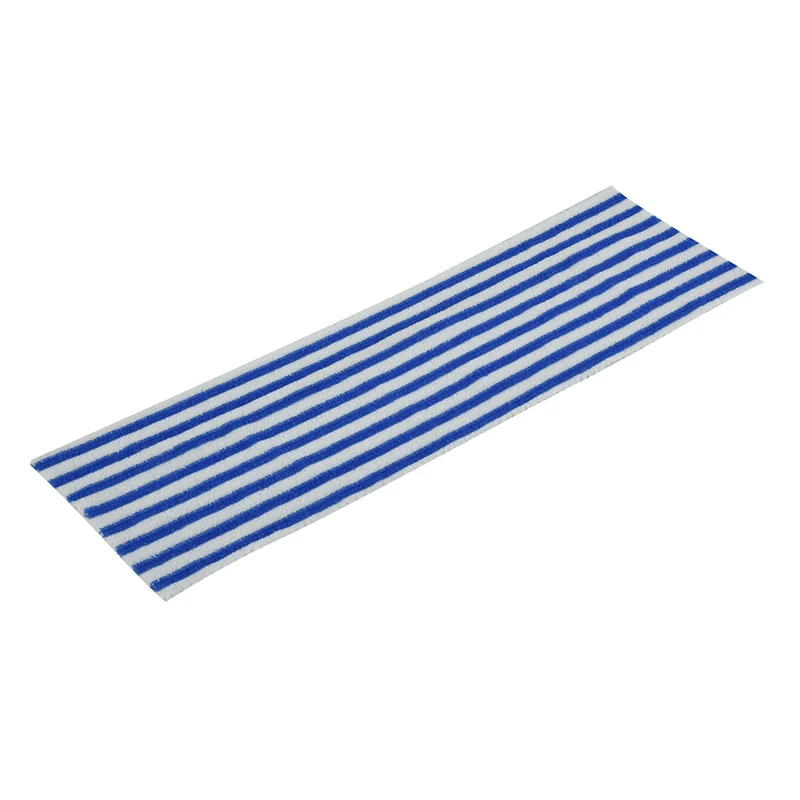
Preventing Cross-Contamination with Disposable Mop Pads
Pathogen Retention Risks in Reusable Mop Pads: Evidence from CDC and Peer-Reviewed Studies
Reusable mop pads pose a well-documented risk for pathogen retention—even after standard laundering—making them potential vectors for healthcare-associated infections (HAIs). A 2017 study in the American Journal of Infection Control found that 74% of cotton string mops tested positive for viable bacteria post-wash, including multidrug-resistant organisms in 18% of samples. The CDC’s 2019 environmental infection control guidelines warn that moist cleaning tools foster microbial growth, and biofilm formation on reused fibers further protects pathogens from disinfectants. Supporting this, a 2018 investigation published in Infection Control & Hospital Epidemiology detected bacterial contamination in 93% of laundered microfiber mop heads collected from clinical areas—and recovered Clostridioides difficile spores from 22% of those samples. These findings highlight a fundamental flaw in reusable systems: their fibrous structure traps organic debris and moisture, enabling pathogen survival and transfer between patient rooms. Without a single-use approach, the mop itself becomes a reservoir for cross-contamination—undermining floor hygiene in high-risk settings.
Comparative Efficacy: Disposable vs. Reusable Mop Pads in High-Risk Clinical Areas
A 2020 randomized trial in the Journal of Hospital Infection directly compared disposable mop pads with reusable cotton mops in an intensive care unit. Disposable pads achieved a consistent 99.7% reduction of inoculated Staphylococcus aureus and Acinetobacter baumannii, while laundered cotton mops averaged only 82% removal—and frequently redistributed microbes to adjacent surfaces. The single-use design avoids biofilm buildup and eliminates detergent carryover, which can compromise disinfectant activity and fiber performance. A 2021 meta-analysis in Clinical Microbiology Reviews, synthesizing data from 14 studies, confirmed that facilities adopting disposable mop systems experienced a 31% lower incidence of floor-related HAIs. Because each pad is pre-engineered for optimal microfiber capture and used once, performance remains uniform across shifts and staff—delivering reliable, high-level surface decontamination. In critical environments like operating rooms and isolation units, this consistency makes disposable pads the more effective tool for interrupting pathogen transmission.
Meeting CDC and OSHA Standards Through Single-Use Disposable Mop Pad Protocols
The CDC’s environmental infection control guidelines identify proper cleaning and disinfection as foundational to breaking chains of transmission—and disposable mop pad protocols align precisely with this principle by removing the risk of recontamination from inadequately cleaned reusable tools. OSHA’s Bloodborne Pathogens Standard (29 CFR 1910.1030) requires employers to minimize occupational exposure to infectious materials. A single-use system reduces direct staff contact with soiled mops, eliminating tasks like rinsing, wringing, and laundering that increase risk of sharps injury and exposure to body fluids. When paired with a “clean-to-dirty” room-cleaning sequence—using a fresh pad for each patient zone—the process inherently satisfies both CDC workflow recommendations and OSHA’s hierarchy of controls. Audits also become more objective: administrators can verify compliance through simple pad usage logs rather than subjective assessments of mop cleanliness. This structured, repeatable approach strengthens both infection prevention outcomes and regulatory defensibility.
Real-World HAI Reduction Linked to Consistent Disposable Mop Pad Implementation
Healthcare-associated infections remain a serious public health concern, with the CDC estimating that approximately 1 in 31 hospitalized patients has at least one HAI on any given day. Environmental contamination contributes meaningfully to this burden, and variability in cleaning execution undermines prevention efforts. Facilities that have fully adopted disposable mop pads report significantly more consistent cleaning quality across shifts and staff—directly reducing soil load and bioburden that harbor pathogens. For example, a multi-facility 2021 quality improvement initiative documented a 27% decline in Clostridioides difficile infection rates after standardizing daily floor cleaning with single-use, pre-saturated microfiber pads. The improvement was linked to eliminating degradation from repeated laundering and ensuring precise, reproducible disinfectant delivery with every use. By transforming floor cleaning into a predictable, measurable intervention, disposable pads support the environmental hygiene reliability associated with sustained HAI reductions.
Eliminating Variability: Standardized Cleaning Performance Across Staff and Shifts
Reusable mop pads demand strict adherence to laundering protocols—exact water temperature, chemical concentration, and drying time—to preserve disinfection capability and fiber integrity. Deviations are common in practice: research in the Textile Research Journal (2022) showed that improper laundering can reduce microfiber efficacy by up to 30%. Such inconsistency leads to uneven floor hygiene, particularly when staff vary in training or shift coverage. Disposable pads remove this variable entirely. Each unit is manufactured to identical specifications and deployed once—guaranteeing consistent scrubbing force, particulate capture, and contaminant removal across all cleaning events. There’s no reliance on staff compliance with complex maintenance routines. The result is a standardized, auditable cleaning outcome that reinforces infection control goals and simplifies performance monitoring.
Reducing Labor, Laundering Costs, and Turnaround Time
Reusable mop systems carry substantial hidden operational costs. Laundering consumes roughly 3 gallons of water per pound of mop head, plus energy, detergent, and labor for sorting, washing, drying, and restocking. A 2023 facility management study found that switching to disposable mop pads reduced total floor cleaning expenses by up to 25% when these indirect costs were included. Staff time previously spent managing mop logistics is redirected toward higher-priority cleaning tasks—accelerating room turnover, a key driver of patient throughput in acute care. Disposable pads also eliminate the need for dedicated laundry infrastructure, lowering utility consumption and freeing valuable space. This streamlined workflow not only cuts costs but enhances hygiene consistency and supports more responsive, efficient environmental services operations.
Frequently Asked Questions (FAQ)
What are the risks of using reusable mop pads?
Reusable mop pads can retain pathogens even after laundering, making them potential carriers of harmful bacteria and other microorganisms. Moist cleaning tools and biofilm formation on reused fibers can exacerbate microbial growth.
Why are disposable mop pads more effective in clinical environments?
Disposable mop pads are more effective as they eliminate biofilm buildup and ensure consistent cleaning performance. Their single-use design prevents cross-contamination and ensures a higher level of hygiene compared to reusable options.
How do disposable mop pads meet CDC and OSHA standards?
Disposable mop pads align with CDC’s infection control guidelines and OSHA’s Bloodborne Pathogens Standard by minimizing the risk of cross-contamination and reducing occupational exposure to infectious materials by eliminating tasks like rinsing and laundering soiled mop pads.
What impact do disposable mop pads have on healthcare-associated infections (HAIs)?
Facilities implementing disposable mop systems report significant reductions in HAIs. For instance, a study showed a 27% decline in Clostridioides difficile infections due to the consistent decontamination achieved with disposable pads.
Are there cost benefits to using disposable mop pads?
Yes, disposable mop pads eliminate laundering costs, save water and energy, and reduce staff labor associated with cleaning reusable mop pads. A study found that switching to disposable pads reduced floor cleaning expenses by up to 25%.
Table of Contents
-
Preventing Cross-Contamination with Disposable Mop Pads
- Pathogen Retention Risks in Reusable Mop Pads: Evidence from CDC and Peer-Reviewed Studies
- Comparative Efficacy: Disposable vs. Reusable Mop Pads in High-Risk Clinical Areas
- Meeting CDC and OSHA Standards Through Single-Use Disposable Mop Pad Protocols
- Real-World HAI Reduction Linked to Consistent Disposable Mop Pad Implementation
- Eliminating Variability: Standardized Cleaning Performance Across Staff and Shifts
- Reducing Labor, Laundering Costs, and Turnaround Time
- Frequently Asked Questions (FAQ)