 EN
EN

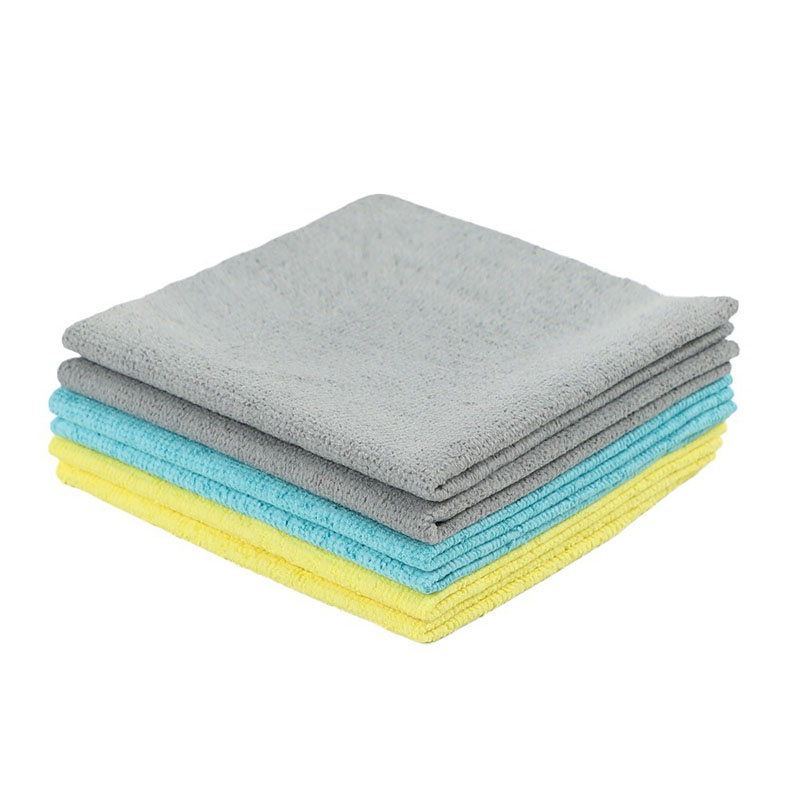
The Role of Microfiber Detailing Towels in Paint Protection
A professional detailer watched a customer's face fall as they inspected their newly detailed black sedan. Under the showroom lights, fine swirl marks were visible across the hood. The detailer had used a premium polish and spent hours on the paint correction. The problem wasn't the polish—it was the towel. The cheap terry cloth used for the final wipe had dragged microscopic particles across the clear coat, leaving a trail of micro-scratches.
The detailer switched to premium microfiber detailing towels. The swirl marks disappeared. The black paint reflected like a mirror. The customer drove away happy, and the detailer learned a lesson that transformed his business: the towel is the final point of contact with the paint, and it can either protect or destroy the finish.
The Science of Microfiber and Paint Protection
Microfiber detailing towels are not just soft cloths—they are engineered textiles. High-quality microfiber towels use ultra-fine split polyester and polyamide fibers that create numerous micro-hooks and channels. This structure provides an exceptionally large surface area that gives the towel its protective properties.
The key to paint protection is the fiber's ability to trap contaminants. When a microfiber detailing towel makes contact with the paint, dirt and dust particles are lifted and locked within the fibers. They are not dragged across the surface. This is the fundamental difference between microfiber and traditional materials like cotton terry or chamois.
Cotton towels and synthetic chamois have coarse loops and abrasive particles that cause micro-scratches or swirl marks. Microfiber detailing towels, by contrast, are designed to glide over paint without scratching. The ultra-soft fibers are gentle on clear coats, glass, and chrome.
Split-Fiber Technology – The Foundation of Protection
The protective capability of a microfiber detailing towel comes from the splitting process. During production, the fibers are split multiple times, creating filaments far finer than silk. This splitting increases the surface area dramatically and forms microscopic hooks and channels.
These micro-hooks serve two purposes. First, they capture and hold dirt particles, preventing them from being dragged across the paint. Second, they create channels that pull water and liquids into the towel through capillary action. The result is a towel that dries surfaces without streaking and cleans without scratching.
The density of the fibers—measured in grams per square meter (GSM)—also matters for paint protection. Higher GSM towels have more fibers per square inch, providing more surface area for trapping contaminants. Plush, looped-pile towels with high GSM are ideal for the final drying stage, where maximum absorbency and softness are critical.
Different Towels for Different Tasks
Paint protection requires using the right microfiber detailing towel for each task. One towel cannot do everything effectively.
Drying towels need high absorbency and a plush, looped pile. These towels pull water off the paintwork and trap it within the towel's core, achieving a streak-free, spotless dry with minimal effort. The deep pile provides cushioning that protects the clear coat during the drying process.
Washing towels require a denser, shorter nap that provides effective yet gentle scrubbing power. These towels lift dirt and grime during the wash phase without retaining abrasive particles that could scratch the paint during subsequent passes.
Detailing towels for waxing, sealant application, and quick detailing use a short-nap, flat-weave construction. This weave helps trap the product for smooth application and provides lint-free, clean removal.
Glass towels are specifically engineered to leave a streak-free shine without chemicals. The fine-weave microfiber picks up dust and residues that other towels leave behind.
The Lint-Free Advantage
Lint is more than a cosmetic issue—it is a paint protection problem. Lint particles left on the paint surface can become embedded in the clear coat during polishing or waxing, creating imperfections that are visible under direct light.
Microfiber detailing towels are engineered for lint-free performance. The split fibers are securely anchored in the towel structure, preventing shedding. Even after countless wash cycles, quality microfiber detailing towels maintain their texture, absorbency, and lint-free properties.
This lint-free performance is essential for paint protection. When a towel does not shed, there are no particles left behind to mar the finish. The result is a spotless, damage-free, highly reflective finish.
Proper Care Extends Protection Performance
A microfiber detailing towel that is not properly maintained loses its protective properties. Contaminants trapped in the fibers can be released during use, causing the very scratches the towel is meant to prevent.
Microfiber detailing towels should be washed separately from other fabrics to prevent cross-contamination with lint and debris. Use a liquid detergent—powder detergents can leave residue that clogs the fibers. Avoid fabric softeners, which coat the fibers and reduce absorbency. Air dry or use low heat; high heat can melt the synthetic fibers.
When a microfiber detailing towel becomes stiff or loses its absorbency, it is time to replace it. A degraded towel cannot trap contaminants effectively, and it may start to release the particles it once held.
A Real-World Example: The Detailer Who Eliminated Swirl Marks
A high-end auto detailing shop in California specialized in luxury and exotic vehicles. The owner prided himself on swirl-free finishes, but he struggled with consistent results on black and dark-colored cars. He tested multiple towel brands and found that even "premium" towels sometimes left micro-marring.
He switched to Esun's microfiber detailing towels, using a three-towel system: a plush drying towel for water removal, a short-nap wash towel for the contact wash, and a flat-weave detailing towel for wax application and buffing. The split-fiber technology in the Esun towels lifted and trapped contaminants instead of dragging them across the paint.
Within weeks, his swirl mark complaints dropped to zero. The towels performed consistently through dozens of wash cycles. His clients noticed the difference, and his referral business increased significantly. The investment in quality microfiber detailing towels paid for itself in customer satisfaction and repeat business.
Frequently Asked Questions
Why are microfiber detailing towels better than cotton for paint protection?
Microfiber detailing towels use split fibers that create micro-hooks and channels to lift and trap contaminants. Cotton towels drag particles across the paint, causing swirl marks and scratches. Microfiber also provides lint-free, streak-free performance.
What GSM is best for microfiber detailing towels?
Higher GSM (grams per square meter) means more fiber density. For drying, 400–800 GSM provides maximum absorbency and cushioning. For washing and detailing, 300–400 GSM offers effective cleaning without excessive bulk.
Can microfiber detailing towels scratch paint?
Quality microfiber detailing towels do not scratch paint when used correctly. Scratches occur when towels are contaminated with dirt or when low-quality towels with abrasive fibers are used. Always use clean towels and proper washing techniques.
How should microfiber detailing towels be washed?
Wash separately from other fabrics with liquid detergent. Avoid fabric softeners and bleach. Air dry or use low heat. Proper care maintains absorbency, softness, and lint-free performance through many wash cycles.
How often should microfiber detailing towels be replaced?
Replace towels when they become stiff, lose absorbency, or show visible wear. With proper care, quality microfiber detailing towels can last 50–100 wash cycles. Degraded towels can no longer trap contaminants effectively.
What is the difference between drying towels and detailing towels?
Drying towels use a plush, looped pile for maximum water absorption. Detailing towels use a short-nap, flat-weave construction for smooth product application and lint-free removal. Each is engineered for a specific task.