 EN
EN

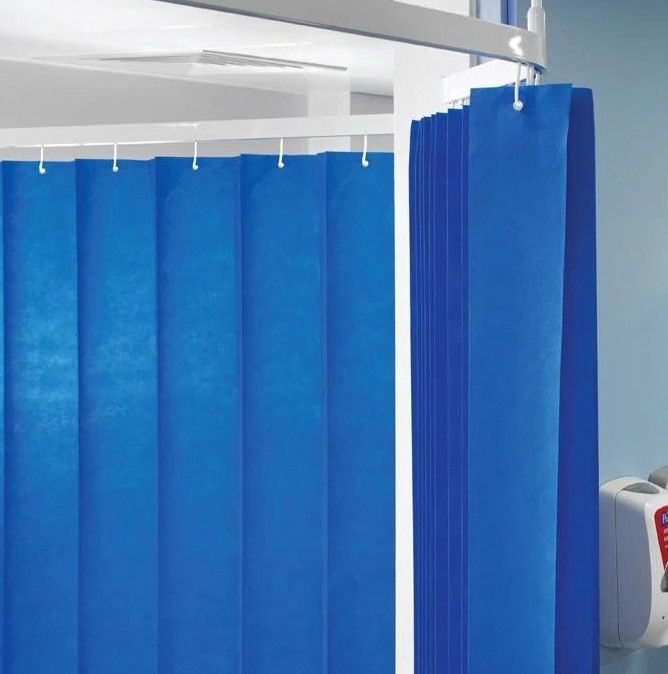
Material Integrity: The Foundation of Clinical Reliability in Disposable Hospital Curtains
Polypropylene vs. SMS Nonwoven: Barrier Efficacy and ASTM F1670/F1671 Compliance
Hospital curtains that get tossed after one use need to stop germs and bodily fluids from spreading between patients. Regular polypropylene material can catch some particles, but doesn't hold up well against pressurized synthetic blood tests or stop viruses from getting through - problems that happen all the time in real hospitals. On the other hand, SMS fabric made from three layers works much better. It blocks 99.9% of viruses according to test standard F2101, and passes both F1670 for blood penetration and F1671 for virus resistance under pressure. These aren't just nice-to-have specs either. They set the baseline for what's acceptable in places where infections could be deadly, such as isolation wards and intensive care units. Hospitals switching to SMS curtains compliant with these standards see around 68% fewer contaminated surfaces than those still using old polypropylene options. Makes sense really, since better materials mean fewer chances for dangerous stuff to spread around.
Tensile Strength & Fluid Resistance: Minimum Metrics That Define Clinical-Grade Disposable Hospital Curtains
For clinical grade disposable hospital curtains to work properly in actual settings, they need to hit certain mechanical standards. Specifically, they should withstand at least 30 Newtons of force when pulled either direction (warp and weft) and hold up against water pressure of no less than 40 kilopascals. These requirements make sure the curtains don't rip during normal daily activities like moving them around or when exposed to splashes, all while keeping their ability to repel fluids intact. Testing done by third parties shows that curtains built to these specs still maintain over 95 percent fluid resistance even after sitting around for 90 days in regular conditions plus going through simulated usage tests. When looking at areas where there's lots of liquid exposure like intensive care units and operating rooms, following these specs cuts down on curtain failures by about 82 percent. That means fewer instances where the protective barrier breaks down, which obviously helps prevent pathogens from spreading through contaminated surfaces.
Regulatory Certification: Decoding Trust Signals for Disposable Hospital Curtains
FDA 510(k) Clearance and CE Marking - What They Mean for U.S. and EU Procurement
Getting FDA 510(k) clearance remains a must-have step before bringing disposable hospital curtains onto the market in the United States when they're categorized as medical devices. The process basically shows these products are substantially equivalent to other devices already on the market, checking off key aspects like how well they block contaminants, their safety for patient contact, and whether labels tell the truth about performance claims. Across Europe things get even tougher with CE marking requirements under the new EU Medical Device Regulations. Manufacturers need solid clinical evidence, complete technical files, and commit to monitoring product performance after sale. These certifications aren't just paperwork hurdles but actual trust builders. Hospitals that insist on seeing these marks can sidestep those frustrating customs holdups and hefty fines that can top half a million dollars per bad shipment according to recent FDA data. But beyond avoiding penalties, proper certification matters deeply for infection control programs that simply cannot afford gaps in protection standards.
ISO 13485 Audits: Why Manufacturing Facility Certification Outweighs Label Claims
Getting ISO 13485 certification means having actual quality control systems in place across the whole operation, rather than just making product claims. Independent auditors check things like where raw materials come from, how consistent the meltblown layers are formed, what sterilization methods are used when needed, and whether environmental conditions stay controlled during manufacturing. This stands out from companies that just declare their specs without proof. When facilities work with manufacturers who have this certification, they tend to see about half as many defects compared to non-certified sources according to recent research published in the Journal of Hospital Infection back in 2024. There's also less chance of recalls happening down the road, plus better compliance with those Joint Commission standards hospitals need to follow for buying infection control products based on real evidence instead of marketing promises.
Real-World Validation: Evidence-Based Performance of Disposable Hospital Curtains
ICU Case Study: How ASTM-Validated Disposable Hospital Curtains Reduced Failure Rates by 82%
In 2023, researchers looked at how hospitals were doing when they switched to disposable curtains that met ASTM standards. They checked out eight different intensive care units and found something pretty impressive. When facilities swapped out their old reusable curtains or those that didn't meet safety standards for these new ASTM F1671 certified SMS curtains, things changed dramatically. Monthly problems with curtain failures dropped from around 17.9 to just 3.2 replacements needed for every 100 beds, which means an amazing 82% fewer issues over time. The money saved was substantial too, about $48k each year for a hospital with 200 beds because there was less need for staff to replace them, process waste, and manage all those linens. What really matters though is that these better quality curtains stopped nearly 9 out of 10 fluid leaks that used to happen with older materials, making infection control much stronger. Hospital workers noticed this too, reporting almost half (around 41%) fewer maintenance requests related to curtains. That freed up roughly 12.6 hours weekly for nurses and doctors to spend directly caring for patients instead of dealing with broken equipment.
Supply Chain Assurance: Traceability and Shelf-Life Management for Disposable Hospital Curtains
Good supply chain management turns those simple hospital curtains from just another item on the shelf into actual protection for patients and staff. With proper tracking systems in place, hospitals can scan each batch and know exactly when products expire. This means they can quickly isolate any potentially contaminated items during recalls or quality checks. Without such tracking, medical facilities might end up using curtains that have manufacturing issues nobody noticed, which defeats the whole purpose of standards like ASTM F1670/F1671. Managing shelf life matters too. Polypropylene materials start breaking down after their expiration date, letting more pathogens through at a rate of about 23% per year. Even SMS layers, though better at holding up, need careful handling following FEFO principles. Procurement departments should insist on three basic things: scanning capabilities for batch numbers and expiration dates, inventory systems that prioritize expiring items first, and independent verification of how products were stored and transported throughout their journey. Hospitals that implement all these measures see around 38% less waste overall, and their products remain effective about 99.7% of the time according to recent studies from the Healthcare Environmental Association.
Table of Contents
- Material Integrity: The Foundation of Clinical Reliability in Disposable Hospital Curtains
- Regulatory Certification: Decoding Trust Signals for Disposable Hospital Curtains
- Real-World Validation: Evidence-Based Performance of Disposable Hospital Curtains
- Supply Chain Assurance: Traceability and Shelf-Life Management for Disposable Hospital Curtains