 EN
EN

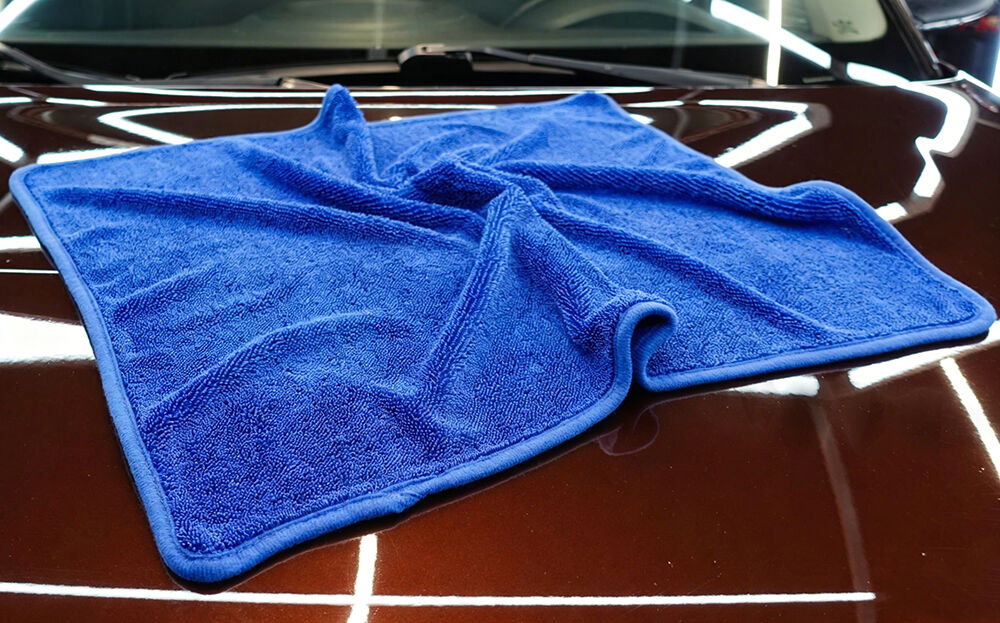
Why a Dedicated Car Towel Is Essential for Professional Results
Using a standard household towel for car detailing risks swirl marks, lint residue, and water spotting. A dedicated car towel is engineered specifically for automotive surfaces—its high-grade microfiber blend traps dirt particles instead of dragging them across the clear coat. These towels typically feature GSM (grams per square meter) ratings between 300 and 1200, where higher GSM indicates greater density, softness, and absorbency. Silk-edged or laser-cut borders on premium models eliminate abrasive stitching, unlike rough cotton bath towels or synthetic kitchen cloths. Professional detailers rely on purpose-built car towels to achieve consistent, streak-free finishes without compromising paint integrity. Unlike repurposed fabrics—which shed fibers or lack sufficient nap—automotive microfiber lifts and holds contaminants while wicking moisture rapidly. This specialized design protects the clear coat, reduces drying time, and delivers repeatable results wash after wash. For any detailing business, investing in dedicated car towels is a non-negotiable step toward maintaining customer satisfaction and preserving vehicle value.
Key Features of a High-Performance Car Towel
Microfiber Density and Pile Construction
Microfiber density—measured in GSM—directly influences cleaning efficacy and surface safety. Premium automotive towels range from 300 to 1200 GSM, with 800+ GSM delivering superior absorbency and contaminant retention. Pile construction (woven vs. knitted) determines texture and scratch resistance: longer, looser piles create a plush surface that lifts debris away from paint, significantly lowering swirl risk. Matching GSM and pile type to your application ensures efficient, low-friction drying with minimal passes.
Edgeless Design and Absorbency Ratings
Edgeless construction—achieved through laser cutting—eliminates stitched borders that can scratch clear coats. Combined with high absorbency (30+ ounces of water per square foot), this design enables rapid, safe drying of full-size vehicles without frequent wringing. While manufacturers often cite absorbency metrics, real-world testing against these claims helps verify performance consistency—especially critical in commercial environments where speed and finish quality are interdependent.
How to Use a Car Towel Correctly: Best Practices for Scratch-Free Drying
Pre-Cleaning Preparation and Towel Folding Techniques
Always rinse the vehicle thoroughly before drying to remove loose grit and prevent abrasion. Use the two-bucket method during washing, and reserve a dedicated microfiber drying towel—one never used on wheels, interiors, or engine bays—to avoid cross-contamination. Fold using the quarter-fold technique to create eight clean surfaces; rotate to a fresh section as each becomes saturated. This maximizes absorbency, extends usable life per towel, and minimizes the chance of reintroducing contaminants to the paint.
Drying Sequence and Pressure Control to Prevent Swirls
Begin at the roof and work downward to avoid dripping onto dried panels. On waxed or ceramic-coated surfaces, use a light blotting motion to reduce friction; for uncoated paint, a gentle gliding motion is effective. Apply only minimal pressure—the towel’s engineered absorbency does the work. A two-towel system is recommended: first, a waffle-weave towel for bulk water removal, followed by a plush microfiber towel for final polishing. Avoid circular wiping, which increases swirl potential; instead, use straight-line passes in one direction for safer, more professional results.
Maintaining Your Car Towel for Long-Term Performance
Proper care preserves fiber integrity, absorbency, and surface safety—extending functional life to 1–2 years for hobbyists and 3–6 months in high-volume commercial settings. Consistent washing, drying, and storage protocols prevent contamination, lint transfer, and premature degradation.
Washing, Drying, and Storage Guidelines
| Care Step | Best Practice |
|---|---|
| Washing temperature | Cold to lukewarm water (80–105°F) |
| Detergent | Mild, pH-neutral, bleach‑free; avoid fabric softener |
| Drying | Air dry away from direct sunlight or use low heat in dryer |
| Storage | Cool, dry place (60–75°F, below 60% humidity), sealed container |
Wash towels separately to prevent lint transfer. Use a gentle cycle and avoid overloading the machine. Adding clean tennis balls during drying restores loft and improves airflow. Store in a dust-free, climate-controlled environment to maintain readiness and performance.
When to Retire a Car Towel (Signs of Wear)
Retire a car towel when it feels stiff after washing, develops a persistent odor, or begins leaving lint on surfaces—clear indicators of microfiber breakdown. Degraded fibers lose absorbency and increase swirl risk. Maximize value through a tiered usage strategy: deploy top-tier towels exclusively on painted surfaces, then reassign them to interiors, wheels, and finally engine bays before retirement.
Top-Rated Car Towels for B2B Detailing Businesses in 2024
For professional detailing operations, towel selection directly impacts throughput, finish quality, and long-term cost efficiency. The highest-rated options in 2024 emphasize industrial-grade materials: 800–1200 GSM microfiber, edgeless laser-cut construction, and tightly controlled pile consistency. Leading suppliers now offer bulk purchasing programs that bypass retail markups—enabling businesses to stock premium towels without eroding margins. What separates top-tier B2B towels from consumer alternatives is not just raw absorbency, but proven durability across hundreds of commercial wash cycles, certified lint-free performance, and consistent weave density that maintains softness and lift over time. As direct-to-business distribution expands, certified quality towels are increasingly accessible—making them a strategic, long-term investment for any professional detailing service.
FAQ
Why shouldn't standard household towels be used for car detailing?
Standard towels risk swirl marks, lint residue, and water spotting because they lack the engineered design needed for automotive surfaces.
What does GSM mean in car towels?
GSM (grams per square meter) measures microfiber density. Higher GSM indicates softer, more absorbent towels ideal for detailing.
How do I care for my car towels to maintain performance?
Wash towels in cold to lukewarm water, use mild pH-neutral detergent, air dry or use low heat, and store them in a sealed, dust-free environment.
How do I know when to retire a car towel?
Signs include stiffness, persistent odor, or shedding lint. Repurpose worn towels for less-sensitive areas like wheels or interiors before retiring them entirely.
What are the benefits of edgeless car towels?
Edgeless towels avoid scratch risks as they lack stitched borders. Their laser-cut design ensures safe use on delicate automotive surfaces.