 EN
EN

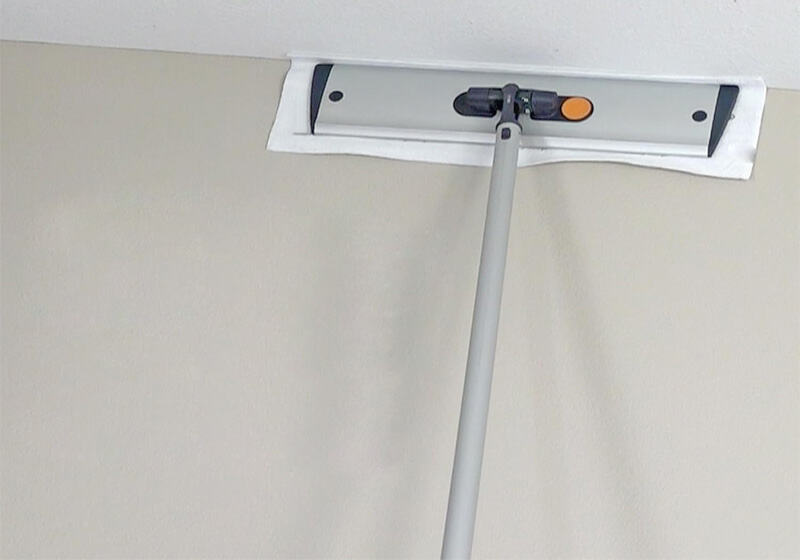
Elimination of Cross-Contamination with Single-Use Design
Disposable microfiber mops eliminate pathogen transfer by design—each unit serves a single zone before disposal. This physical separation of cleaning tasks breaks infection transmission chains at the source, preventing microbes from one area contaminating surfaces elsewhere.
How disposable microfiber mops prevent pathogen transfer between zones
Regular mops that get reused over and over actually spread germs around since those same old fibers travel from one room to another. The good news? Those single use microfiber options grab almost all the dirt and bugs out there, something like 99.9% according to tests, thanks to how their fibers work with static electricity. Once done cleaning a specific area, just throw away the whole head and poof! All those nasty microbes go with it instead of hanging around somewhere they shouldn't be. No more worrying about bringing back bad stuff from water buckets that have gone bad, or picking up whatever was left behind on other peoples' mops through shared wringers either.
Real-world impact: HAIs reduction in healthcare facilities using disposable microfiber mop protocols
Hospitals that switch to single use items have noticed real drops in Healthcare Associated Infections, or HAIs for short. The CDC reports that roughly one out of every thirty-one patients gets some kind of HAI each day, which is pretty alarming when you think about it. Facilities that went all in on disposable equipment saw their infection numbers fall anywhere between 25% to even 35% over just half a year. Getting rid of things like old pads being reused and water that might be contaminated makes a huge difference. Patients simply aren't coming into contact with those drug resistant bugs anymore or picking up germs from surfaces they touch. For healthcare providers looking to protect both staff and visitors, this shift represents a game changer in how we handle infection risks across entire facilities.
Enhanced Cleaning Performance Through Advanced Microfiber Technology
Bacteria and particulate removal rates: lab-validated efficacy of disposable microfiber mop fibers
Disposable microfiber mops clean surfaces better than most alternatives according to tests done in labs across the country. These mops have super fine fibers that are actually around 100 times thinner than a strand of human hair. What makes them work so well is that they create static electricity which pulls dirt and germs right into the fibers where they get trapped. Some studies indicate that these mops can wipe away about 99 percent of bacteria on hard floors when tested under controlled conditions. That's roughly double what regular mops manage to do when it comes to killing harmful microbes. The tight weave of the fibers also grabs tiny particles down to 0.1 microns in size, which means viruses and allergens stay locked inside instead of floating back into the air while cleaning. Since these mops are meant to be thrown away after one use, there's no chance those trapped pathogens will end up back on floors or countertops later on.
Superior absorbency and dry-pickup performance vs. reusable cotton mops
When it comes to picking up spills, disposable microfiber mops really shine compared to traditional cotton options. They soak up about seven times more liquid and cut down on chemicals needed for cleaning by around 30%. What makes them so effective? Those special split fibers work like tiny straws, pulling moisture right into their core instead of just spreading it around as cotton tends to do. When working in dry conditions too, microfiber does something amazing it captures nearly all dust particles (about 98%) thanks to static electricity sticking things together. Cotton can't come close, managing only about half that amount which means those annoying trails of dust left behind after cleaning simply don't happen with microfiber. Plus, these mops are surprisingly light on the hands requiring roughly 40% less elbow grease per area cleaned, making long cleaning sessions much less tiring for workers. And since they get thrown away after each use, there's no worrying about performance dropping off over time like happens when cotton gets worn out from constant washing.
Operational Efficiency and Sustainability Gains
Reduced water, chemical, and labor requirements per clean—data from ISSA and EPA-aligned studies
Using disposable microfiber mops actually cuts down on resources needed for cleaning operations quite a bit. Research that meets EPA guidelines shows these mops cut chemical use around 40 percent compared to old school methods because the fibers soak up just the right amount of solution instead of dripping all over everything. Facilities save about 30% on water each year when they don't have to run those extra rinse cycles after every cleaning pass. Staff members also get things done faster since there's no need to wash out mop heads, fix broken wringers, or mix up cleaning solutions all the time. According to numbers from ISSA, this saves roughly 15 minutes per shift. The cleaner can then tackle bigger spaces without sacrificing cleanliness. Plus, less chemicals going down drains and reduced water waste helps protect the environment while still getting floors spotless clean.
Total Cost of Ownership: Balancing Upfront Cost and Risk Mitigation
Looking at different cleaning systems shows that while disposable microfiber mops cost more individually, they actually save money over time when considering everything involved. Reusable options come with all sorts of extra costs nobody thinks about first - paying staff to wash them, building storage space, buying special chemicals, dealing with contamination issues between uses. When we look at the full picture of what it really costs to operate, disposable mops cut cleaning time by around 30% and slash water usage by nearly two thirds according to recent EPA studies. Hospitals that switch to disposable protocols see real benefits too. Facilities avoiding hospital acquired infections save themselves about $740 thousand each time they prevent an outbreak based on research from last year. Most places find their investment pays off within 18 to 24 months once they factor in less waste and fewer problems with infections causing lawsuits later on.