 EN
EN

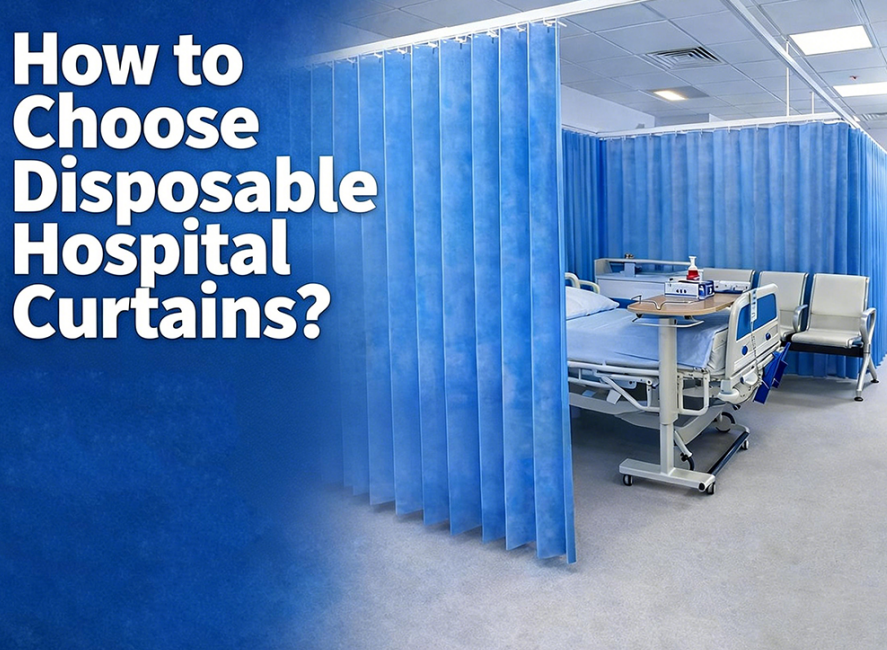
Why Disposable Hospital Curtains Are Critical for Infection Prevention
Breaking the Chain: How Contaminated Curtains Contribute to Healthcare-Associated Infections (HAIs)
Hospital curtains get touched constantly throughout daily patient care, making them stealthy carriers of harmful pathogens. The problem is worse with reusable curtains since they can hold onto tough microbes such as C. diff spores for weeks despite being washed regularly. Germs spread in two main ways: either floating through the air when someone moves the curtain or transferring directly from contaminated fabric to skin or equipment. Studies indicate that about 40 percent of those privacy drapes placed next to beds already contain dangerous drug resistant bacteria just seven days after installation. These ongoing contamination issues lead to infections spreading between different patients, medical staff, and various pieces of equipment around hospitals. Such Healthcare Associated Infections not only raise death rates by roughly 15%, but also mean patients stay in the hospital anywhere from seven to ten extra days on average. Using disposable curtains instead stops this whole cycle right at the beginning point, following standard infection control procedures that most facilities already implement for other high risk items.
Evidence Base: Studies Linking Hospital Curtains to Pathogen Transmission (C. difficile, MRSA, VRE)
Studies keep showing that hospital curtains are actually breeding grounds for dangerous germs. One recent study back in 2023 discovered something alarming: nearly a quarter of all healthcare-associated infections (HAIs) started with dirty textiles around patient rooms. And get this - almost 4 out of 10 times when nurses interacted with these curtains, microbes ended up on their gloves despite proper precautions. The Centers for Disease Control ran some tests too, and hospitals that switched to single use curtains saw an amazing drop in infection rates - down by almost 90% in intensive care units. Why does this happen? Well, these modern disposable curtains don't have the same porous surface as regular fabric, so bacteria can't really stick to them like they do on old curtains that just keep collecting germs no matter how many times they're washed.
| Pathogen | Contamination Rate | Detection Timeframe | Source |
|---|---|---|---|
| MRSA | 58% | Within 48 hours | AJIC, 2022 |
| VRE | 33% | 72 hours | Infection Control Today, 2023 |
| C. difficile | 41% | 1 week | SHEA Guidelines, 2024 |
Key Selection Criteria for Effective Disposable Hospital Curtains
Material Integrity and Fluid Resistance for High-Traffic Clinical Areas
Disposable curtains used in ICU areas and emergency rooms need to stand up to constant use while still resisting fluids quickly. According to guidelines from the Centers for Disease Control, good quality materials should have tear resistance rated at over 120 Newtons by ISO standards and be able to stop bloodborne pathogens within just ten seconds. These properties are tested using the ASTM F1671 method which simulates synthetic blood penetration. Hospitals that switch to these higher standard curtains typically see about a 40 percent drop in contaminated surfaces across their facilities. Given that staff members touch these curtains anywhere between thirty to forty times every day, having a proper fluid repellent coating becomes absolutely critical. Without it, there's a much greater risk of spreading viruses like norovirus through splashes and contact transmission during routine care activities.
Antimicrobial and Sporicidal Efficacy—Validated Performance Against Resistant Pathogens
When it comes to fighting C. difficile, we need something stronger than regular antimicrobial products. The real battle is against those stubborn spores which can hang around on fabric surfaces for more than five months straight. Studies published in infection control journals show that when hospitals use disposable curtains treated with EPA approved sporicidal agents, they see about a third fewer healthcare associated infections in their clinical areas. To make sure these products actually work against the most dangerous pathogens, independent labs must test them following standards like ISO 20743. This kind of verification gives healthcare facilities peace of mind knowing their infection control measures are backed by solid evidence.
| Pathogen | Required Log Reduction |
|---|---|
| MRSA | ≥4.0 log within 1 hour |
| VRE | ≥3.5 log within 2 hours |
| C. difficile spores | ≥2.0 log within 24 hours |
Curtains lacking formal validation against these benchmarks risk amplifying—not mitigating—transmission. A 2023 study in the American Journal of Infection Control linked unverified products to 22% higher MDRO colonization rates.
Replacement Protocols and Compliance with Infection Control Standards
CDC, SHEA, and APIC Guidance on Curtain Replacement Frequency and Low-Touch Surface Management
Getting rid of pathogens means changing those disposable curtains based on actual signs of contamination rather than sticking to random cleaning schedules. Major health organizations like the CDC along with SHEA and APIC stress that we should replace them when moving from one patient to another or right away if they look dirty. Low touch areas such as semi private room drapes or waiting area fabrics need checking roughly every week or two weeks depending on usage patterns. But things get stricter in high risk zones like intensive care units where staff should verify curtain conditions at least once each week. Failure to follow these guidelines has been linked to nearly a quarter increase in hospital acquired infections according to recent outbreaks studied back in 2023. Keeping track records of curtain changes and inspections matters quite a bit too both for maintaining good standards inside the facility and meeting those pesky Joint Commission accreditation demands that hospitals always have to worry about.
| Compliance Factor | CDC Recommendation | SHEA/APIC Enhancement |
|---|---|---|
| Replacement Trigger | Between patients/soiled | Add: After aerosol-generating procedures |
| Audit Frequency | 7–14 days | High-risk: ≤7 days |
| Documentation | Log dates & locations | Include pathogen test results |
Operational Impact: Balancing Cost, Sustainability, and Staff Workflow
Getting disposable hospital curtains right requires finding the sweet spot between what costs money, what's good for the planet, and how staff actually work day to day, all while keeping infections at bay. Sure, those reusable curtains look cheaper at first glance, but when hospitals factor in everything from washing them repeatedly to paying extra staff hours, plus dealing with lost bed availability during laundry cycles, they end up spending anywhere from 17 to 23 percent more each year compared to properly tested disposable alternatives, as shown in research published in the Journal of Hospital Infection last year. For hospitals wanting to be eco-friendly without breaking the bank, looking for curtains made with at least 30 percent recycled materials matters a lot. Plus, getting third party confirmation that these materials will break down naturally cuts down on landfill waste by almost half. On the staffing side of things, having standard procedures for replacing curtains saves around 15 minutes every time someone changes one, which adds up over months and years. Clinical teams then have more time to spend directly caring for patients instead of chasing after curtain maintenance. Hospitals that manage to strike this balance typically see about 31 percent fewer hospital acquired infection cases and save roughly 19 percent on yearly operating expenses based on recent industry efficiency reports.
| Consideration | Key Metric | Impact |
|---|---|---|
| Cost Efficiency | Annual ownership savings | 17–23% vs. reusable curtains |
| Sustainability | Landfill reduction potential | Up to 40% with biodegradable materials |
| Staff Workflow | Time saved per curtain change | 15 minutes per replacement cycle |
FAQ
What are the main benefits of using disposable hospital curtains?
Disposable hospital curtains reduce the risk of healthcare-associated infections by minimizing the spread of pathogens. They are cost-effective and designed to break down naturally, offering both financial and environmental benefits.
How often should disposable hospital curtains be replaced?
According to CDC, SHEA, and APIC guidelines, disposable curtains should be replaced between patients or if visibly soiled. In high-risk areas, they should be inspected weekly.
Are disposable hospital curtains more expensive than reusable ones?
Initially, disposable curtains may seem costlier than reusable ones, but they save hospitals money over time by reducing infection rates and eliminating laundry costs.
How do disposable curtains help with sustainability?
Disposable hospital curtains made with biodegradable materials can significantly reduce landfill waste by breaking down naturally. Many options incorporate recycled materials, further supporting eco-friendly initiatives.