 EN
EN

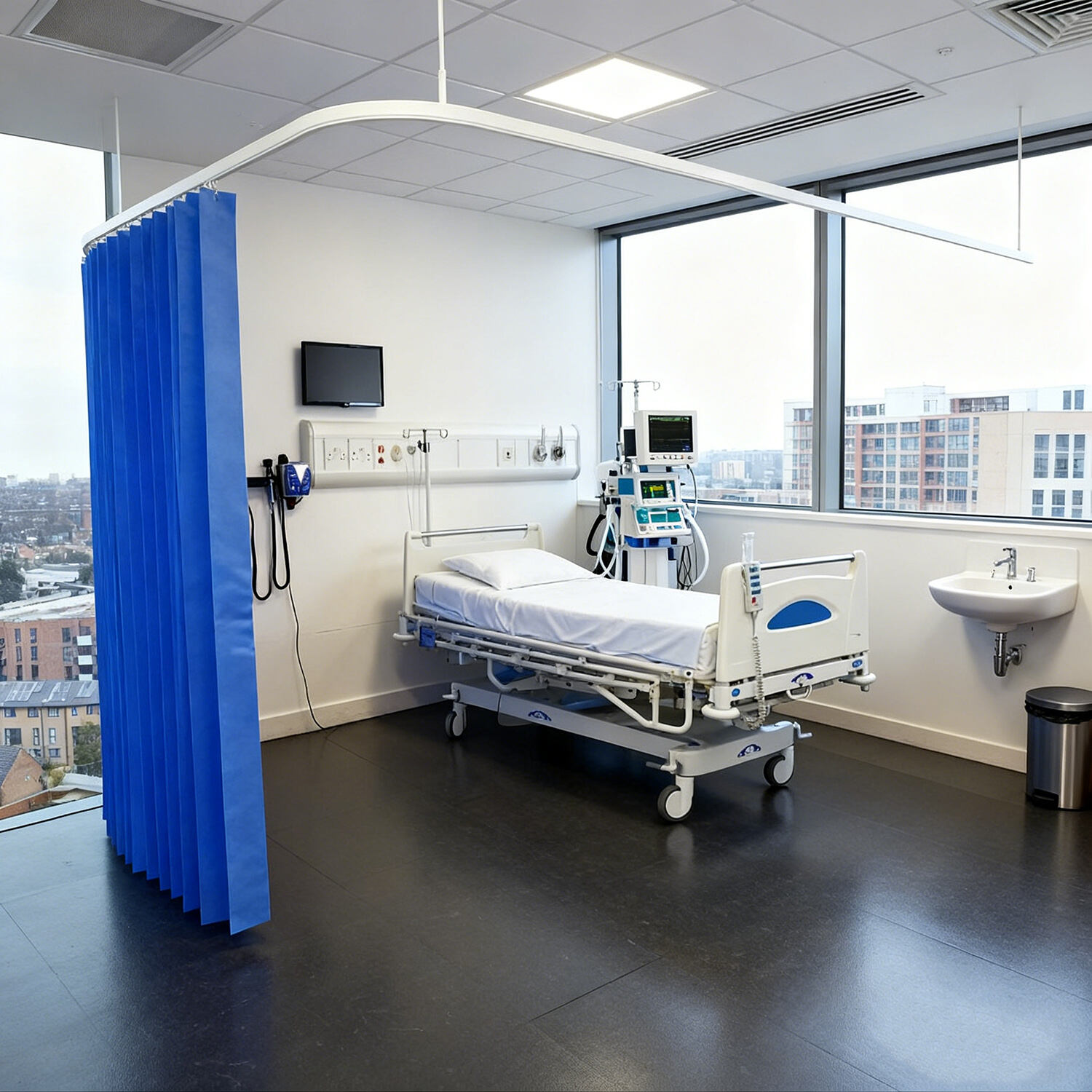
Evidence-Based Medical Curtain Replacement Frequency
CDC and SHEA Recommendations on Routine Replacement Intervals
According to guidelines from the CDC along with recommendations from the Society for Healthcare Epidemiology of America (SHEA), privacy curtains in hospitals should be changed out roughly every six to twelve months. The reasoning behind this timeframe is pretty straightforward - even after regular cleaning, pathogens tend to build up over time. Research actually shows that these hospital curtains can get contaminated with MRSA as early as just one week after they're first put up. Unfortunately, about 37 percent of hospitals across the United States still wait until the curtains look dirty before replacing them, which creates problems down the road since this approach has been linked to higher infection rates among patients. Hospitals that stick to their scheduled curtain changes see something remarkable happen: they cut down on those hidden bacteria spots by around 92%, making a huge difference compared to facilities that simply rely on what looks clean to the naked eye.
Real-World Data: Median Replacement Cycles Across U.S. Acute-Care Hospitals
Data from 2,300 acute-care facilities reveals broad alignment with CDC guidance
| Replacement Protocol | % of Hospitals Adhering |
|---|---|
| Every 6–12 months | 85% |
| Only when visibly soiled | 37% |
| After infection outbreaks | 68% |
ICUs and oncology units demonstrate the highest adherence to accelerated schedules: 78% replace curtains quarterly. This proactive approach correlates with 22% lower HAI rates in outbreak-prone areas. Conversely, facilities extending replacements beyond 12 months face a 40% higher risk of surface contamination—underscoring that calendar-based replacement is not arbitrary, but epidemiologically grounded.
Clinical Triggers That Demand Immediate Medical Curtain Replacement
Visible Soiling, Fluid Exposure, or Damage: Non-Negotiable Replacement Indicators
When hospital curtains show visible stains, rips, or have been exposed to fluids like blood, bodily secretions, or chemicals, they need to be replaced right away. Studies have found that around 9 out of 10 visibly dirty curtains contain dangerous bacteria such as MRSA or VRE, which can raise the risk of healthcare-associated infections (HAIs) for nearby patients by almost half. Contact with liquids actually breaks down the protective antimicrobial treatments on these fabrics. Tiny tears in the material also become hiding spots for germs that regular washing just can't reach. After cleaning, damaged curtains tend to hold about three times more bacteria compared to those without holes or wear. So there really isn't much choice here when it comes to replacing them under certain conditions.
- Stains persist after cleaning
- Fabric integrity is compromised
- Any fluid exposure occurs
Isolation Precautions and High-Risk Units: When Accelerated Replacement Is Mandatory
Replacement schedules in isolation rooms, intensive care units, oncology wards, and burn centers need to follow patient movement patterns rather than sticking to fixed dates on the calendar. According to SHEA recommendations, surfaces should be replaced following each isolated patient's departure since those stubborn C. difficile spores can outlast regular cleaning protocols. Hospitals that switch out materials every two weeks in burn units see nearly 60% fewer healthcare-associated infections compared to facilities waiting a full month between replacements. Areas where hands frequently touch surfaces close to sinks or door frames actually need replacing twice as often because water splashes spread contaminants faster than we might realize. When it comes down to what works best in practice...
- Replacing all curtains in affected zones post-outbreak
- Using disposable curtains during active outbreaks in immunocompromised units
- Weekly replacement in areas supporting aerosol-generating procedures
Medical Curtain Contamination and Its Proven Link to Healthcare-Associated Infections (HAIs)
Outbreak Investigations Confirming Curtains as Fomite Vectors in ICU and Oncology Units
Research from various outbreaks shows that those privacy curtains hanging in hospitals aren't just decorative fluff they actually become breeding grounds for germs in critical areas. Bacteria like MRSA and Clostridium difficile can stick around on curtain material for weeks at a time. That's plenty long for doctors and nurses to pick them up on their hands before touching patients. We've seen this happen firsthand in ICU wards where curtains placed next to patients with weak immune systems were linked to actual infection spread during recent outbreaks. The same problem pops up in cancer treatment centers too. When staff find drug resistant bugs growing on those curtains, chemotherapy patients tend to get sick much more often than usual. What all this means is simple really those curtains need proper cleaning protocols instead of being treated as just another piece of hospital furniture.
Cleaning Versus Replacement: Understanding the Limits of Medical Curtain Hygiene Protocols
Just scrubbing won't cut it when it comes to reducing infection risks tied to hospital curtains. Research indicates that Staph aureus bacteria gets back onto those curtains to dangerous levels again within just three days in almost every ICU case studied by Ohl and colleagues back in 2012. And this happens even after proper disinfection procedures. Fabrics are different from smooth surfaces because their tiny pores capture germs deep inside the material where regular cleaning products simply can't reach them. The numbers tell another story too. According to a recent study from the Ponemon Institute in 2023, one healthcare-associated infection costs around $740k on average. Yet most hospitals don't have clear rules about when contaminated curtains should be replaced instead of just cleaned again. There are basically three reasons why relying solely on cleaning doesn't work:
- Material porosity, enabling microbial embedding beyond disinfectant reach
- Chemical degradation, where repeated cleaning erodes fabric integrity and antimicrobial efficacy
- Operational delays, as off-site laundering disrupts rapid response during outbreaks
Therefore, replacement—not repeated cleaning—is the appropriate intervention for visible soiling, structural compromise, or exposure to multidrug-resistant pathogens.
Table of Contents
- Evidence-Based Medical Curtain Replacement Frequency
- Clinical Triggers That Demand Immediate Medical Curtain Replacement
- Medical Curtain Contamination and Its Proven Link to Healthcare-Associated Infections (HAIs)
- Cleaning Versus Replacement: Understanding the Limits of Medical Curtain Hygiene Protocols