 EN
EN

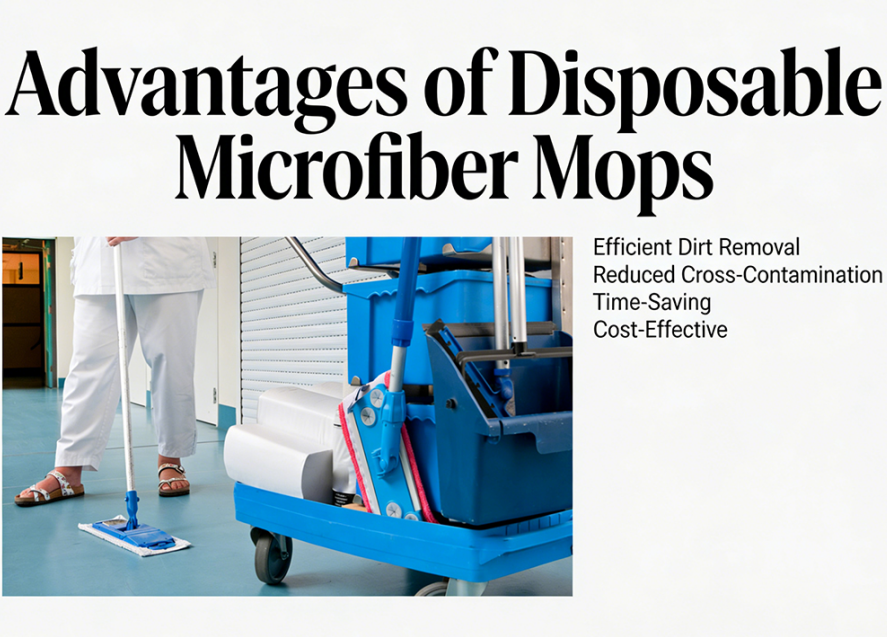
Eliminating Cross-Contamination with Single-Use Hygiene
How disposable microfiber mops prevent pathogen transfer between zones
Single use microfiber mops tackle one of the biggest problems in infection control by getting rid of the main issue altogether: old dirty equipment being used again and again. These mops trap germs inside their special electrostatic fibers so they can be thrown away right after use. Regular mops are different though. Studies show they still carry about 99 percent of bacteria even after washing them properly, according to research published in the Journal of Hospital Infection back in 2022. That's why many facilities now prefer disposable options since they stop microbes from spreading between important areas. When staff assign one mop specifically for each room or section, it means no more sharing contaminated water tanks or worn out mop heads either. These things have actually been linked to around three quarters of all cases where pathogens move from one surface to another during cleaning operations.
Clinical validation: ATP bioluminescence and microbial load reduction in healthcare settings
Independent clinical research using ATP bioluminescence methods has found that disposable microfiber cleaning systems leave behind about 95% less organic residue compared to their reusable counterparts in hospital settings. Looking at data from six different acute care hospitals in 2023, researchers observed that microbial levels dropped by roughly 2.8 logs in patient areas when using disposables, whereas traditional washed microfiber only managed around 1.2 log reductions. The big difference in effectiveness? Reusable fibers degrade over time. After about 30 washes, these materials lose nearly 60% of their ability to trap dirt according to a study published in Infection Control Today last year. For places where infection control matters most, like operating rooms, disposable systems kept ATP readings under 25 RLU in almost all cases (98% compliance rate), while conventional mopping techniques barely hit half that mark at 42%. These results highlight why many healthcare facilities are making the switch despite higher upfront costs.
Unmatched Cleaning Efficacy: Why Disposable Microfiber Outperforms Reusable and Cotton Options
Electrostatic capture vs. mechanical scrubbing: peer-reviewed efficacy comparisons
The magic behind disposable microfiber mops lies in their electrostatic properties rather than brute force when it comes to picking up tiny dirt particles. Studies published in reputable journals back this up, showing these mops work better than regular cotton ones. Cotton just pushes stuff around since its fibers aren't really good at soaking things up. People often have to scrub hard with cotton mops, which can scratch surfaces and just spread germs instead of getting rid of them. On the flip side, those split fibers in microfiber create static electricity that grabs onto bacteria. Tests show they can catch almost all (like 99.9%) of the bad stuff even with just water. That means cleaning crews can cut down on harsh chemicals by about 95% and still get great results, making facilities safer for everyone involved.
The hidden degradation of reusable microfiber after laundering
Microfiber fabric used repeatedly starts breaking down after each washing cycle, though most people don't even notice it happening. According to some industry reports, these materials can lose around half their static electricity power after about 100 washes. Why? Well, the fibers actually start to break apart, and all those detergents we use get stuck in the tiny little holes throughout the material. When this happens, the fabric just isn't as good at picking up dirt anymore, and worse still, it might actually spread bacteria back onto surfaces instead of trapping them. That's a real problem when working in places where cleanliness is absolutely critical. On the flip side, single use microfiber products completely sidestep this issue. Since they never go through the laundry process, the fibers stay intact, maintain their static properties, and provide clean results every time they're used without fail.
Tangible Operational and Cost Benefits of Adopting Disposable Microfiber Mops
Labor optimization: faster turnover, reduced training, and simplified workflows
Eliminating laundering cycles frees staff for higher-value cleaning tasks. Training simplifies—no protocols for sanitization, storage, or rotation—and room turnover accelerates by 30–50% in healthcare settings. With no need to sort soiled mops or track inventory, facilities reallocate 8–12 weekly labor hours to critical disinfection activities.
Total cost of ownership: eliminating laundering, water, chemical, and inventory overhead
While unit costs are higher, disposable microfiber reduces annual operational expenses by 40–60% by removing hidden burdens:
- Zero industrial laundering costs ($1.50–$4.00 per kg)
- 95% less water consumption versus reusable systems
- No detergent, repair, or replacement inventory for degraded mop heads
- Avoided healthcare-associated infection (HAI) treatment costs—averaging $40,000 per case
Facilities gain predictable, depreciation-free budgeting—confirming disposable microfiber as a strategic, cost-conscious investment.
FAQ
What are the main benefits of using disposable microfiber mops?
Disposable microfiber mops reduce the risk of cross-contamination, improve cleaning efficacy with electrostatic properties, and are more cost-effective in the long term by eliminating laundering and reducing water and chemical use.
How do disposable microfiber mops compare to traditional cotton mops?
Disposable microfiber mops trap bacteria with electrostatic fibers, providing more effective cleaning than cotton mops, which often spread dirt and require harsh scrubbing.
Why are disposable microfiber mops preferred in healthcare settings?
They significantly reduce microbial levels and associated infection risks, maintain efficacy without deterioration, and streamline workflow by eliminating the need for extensive laundering protocols.