 EN
EN

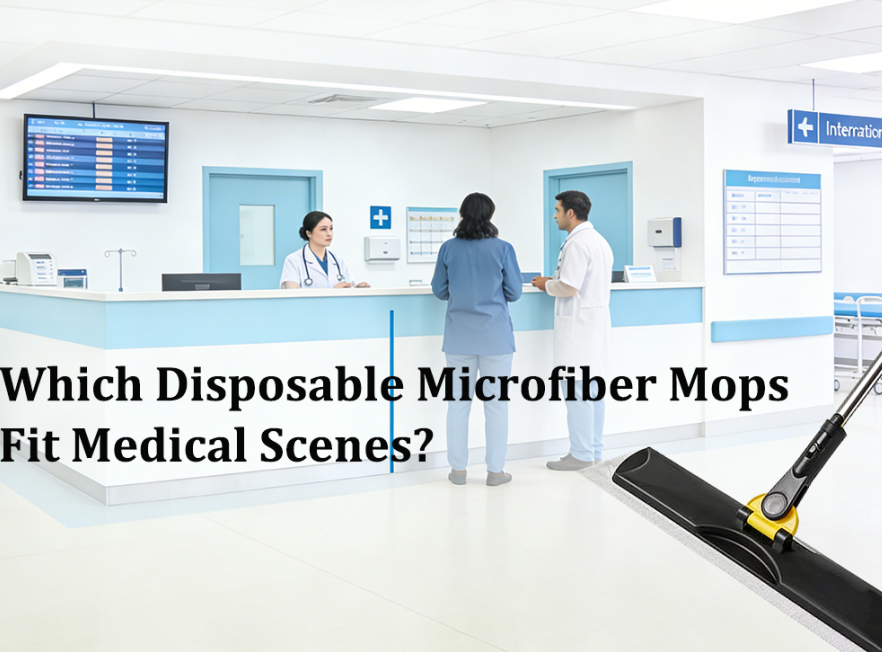
Why Healthcare Facilities Are Switching to Disposable Microfiber Mops
Keeping things clean is absolutely critical in healthcare environments where patients are vulnerable to catching infections they didn't come with. The problem with traditional mops that get reused again and again? They actually hide serious risks. Research published in peer-reviewed journals shows that even after washing, those old mop pads still have dangerously high levels of ATP, which measures biological contamination. The numbers are shocking too: around 623 RLUs on average, way above what's considered safe at just 250 RLUs according to standards from Infection Control Today last year. And it gets worse fast. Hospital staff who check their own equipment find biofilm buildup in nearly half of all reusable mop heads within a single week of regular use. That's why many facilities are switching to disposable microfiber options instead. Each time someone cleans a room, they start fresh with brand new pads, so there's no chance of spreading germs from one area to another when moving between patient spaces.
| Cleaning System | Pathogen Carryover Rate | Biofilm Risk | Avg. RLU Post-Cleaning |
|---|---|---|---|
| Reusable Mops | 32% | High | 623 |
| Disposable Mops | 0% | None | 92 |
Money matters are definitely pushing this change forward. Hospitals across the United States spend around $28.4 billion every year on healthcare associated infections according to the Agency for Healthcare Research and Quality. About 14 percent of these preventable cases come from pathogens moving between floors and surfaces. When facilities switch over to disposable cleaning systems, they typically see laundry costs drop by about three quarters. At the same time, hospitals report reductions in HAI incidents of roughly 18% within just six months after implementation. Environmental services staff benefit as well. The pre-wet disposable pads cut down on mistakes when handling chemicals and make cleaning rooms take about 30% less time overall. With better infection control, significant savings on the bottom line, and smoother day to day operations, it's no wonder that disposable microfiber has become pretty much the go to solution for keeping hospital floors safe.
How Disposable Microfiber Mops Outperform Reusable Options in Pathogen Removal
Keeping surfaces clean remains a big problem for hospitals and clinics, especially since those old school reusable mops actually spread germs instead of removing them. When we talk about microfiber pads that get used over and over again, they tend to grow these tough microbial communities called biofilms. These little colonies stick around even after washing and then spread back onto floors during next cleaning session. Some recent ATP tests showed something pretty alarming too. After going through same cleaning process on identical surfaces, those reused pads had three times more leftover contamination compared to their disposable counterparts. Makes sense why many facilities are thinking twice about switching to single use options despite initial costs.
Biofilm Risk and ATP Evidence: Why Fresh Pads Deliver Consistent Efficacy
Biofilms accumulate in reusable microfiber fibers through repeated use, sheltering pathogens like C. difficile and norovirus. When ATP swabs measure organic residue, disposable microfiber mop pads consistently show near-zero readings—demonstrating 99.99% removal of viruses and bacteria from hard surfaces in controlled studies. This efficacy stems from three factors:
- Eliminated cross-contamination risk: Single-use pads avoid transferring pathogens between rooms
- Optimized fiber structure: Fresh microfibers maintain electrostatic charge to capture microscopic particles
- Validated performance: Each pad delivers certified pathogen removal without degradation from laundering cycles
Facilities switching to disposable systems report 40% fewer surface-related HAIs within six months. By contrast, reusable pads require industrial laundering at 95°C to partially mitigate biofilm risks—a process few hospitals consistently achieve. For infection control teams, disposable microfiber mops transform cleaning from variable guesswork into predictable, evidence-based defense.
Key Selection Criteria for Disposable Microfiber Mops in High-Risk Areas
When it comes to picking out disposable microfiber mops for places where patients are at higher risk, like operating rooms and isolation wards, healthcare facilities really need to be careful about what they choose. These sensitive areas require cleaning tools that stop germs from spreading between surfaces while keeping everything as clean as possible. There are several important things to look at when making this decision. First, the actual materials used in the mop matter a lot. Then there's whether the product meets all the necessary certifications and regulations. And don't forget about how the mops are packaged before use since that affects sterility too. According to research published last year, hospitals that took extra time to select their mops properly saw something amazing happen: they cut down on harmful bacteria on surfaces by almost nine out of ten cases compared to those using regular methods.
Material & Certification Standards: ISO 13485, ASTM E2197-22, and Sterile Packaging Requirements
Material quality fundamentally determines a disposable microfiber mop's effectiveness in medical settings. Prioritize pads with high-density microfiber construction that demonstrates:
- ISO 13485 certification for medical device quality management systems
- Compliance with ASTM E2197-22 for validated microbial removal efficacy
- Gamma-irradiated sterile packaging achieving 10-6 sterility assurance level (SAL)
Tests have shown that pads certified under both ISO and ASTM standards manage to eliminate about 99.9 percent of test pathogens, while regular non-certified options only get rid of around 84%. When it comes to sterile processing areas and operating rooms, sterile packaging just cant be compromised. Any tear or damage could let harmful microbes slip in during storage or when staff handle them. Hook and loop fasteners should stay away from ISO Class 5 through 7 cleanrooms because they tend to shed particles. Better choices for these sensitive areas include sealed edge designs that come with pockets or clips for fastening. These alternatives help maintain the required cleanliness levels without compromising functionality.
Real-World Impact: Infection Control Outcomes with Disposable Microfiber Mops
Hospitals that switch to disposable microfiber mop systems tend to see better results when it comes to controlling infections. The single use pads stop germs from moving between different areas of the facility. This is really important in places like isolation wards and operating rooms where old style reusable mops used to be a big problem for spreading infections. When staff throw away the pads after every cleaning session, they don't have to worry about bacteria building up in the mop fibers over time. That means the disinfectant works better each time without leftover microbes hanging around. Tests using ATP technology show these disposable mops can remove around 98% of pathogens with each pass. They beat traditional washed mops by quite a margin too, making them about 40 to 60 percent more effective at cleaning those frequently touched surfaces throughout healthcare environments.
Looking at real world results, hospitals that implement these systems report around 20 to maybe even 30 percent fewer healthcare associated infections (HAIs) just six months after installation. That matters because treating HAIs costs the healthcare system roughly $28.4 billion every year according to recent studies. When facilities switch to standardized chemical delivery methods like pre saturated cleaning pads or controlled dispensers, they naturally meet EPA requirements for contact time. Plus getting rid of traditional laundry processes saves hospitals about two thirds on their water and energy bills. All told, better germ killing, lower infection rates, and significant savings on resources make disposable microfiber products something many infection control experts now consider essential for modern hospital settings.
FAQ
What are the benefits of using disposable microfiber mops in healthcare facilities?
Disposable microfiber mops reduce cross-contamination, provide a fresh cleaning surface for every use, and help minimize healthcare-associated infections (HAIs). They also lower laundry costs and decrease the time taken for cleaning tasks.
How do disposable microfiber mops reduce biofilm risks compared to reusable ones?
Disposable microfiber mops are used once and discarded, which prevents the buildup of biofilm that can occur with reusable mop pads. This reduces the risk of pathogens like C. difficile and norovirus sticking to fibers.
What should healthcare facilities consider when selecting disposable microfiber mops for high-risk areas?
Facilities should consider material quality, certification standards like ISO 13485 and ASTM E2197-22, and the sterility of packaging. It's crucial to ensure that the mops meet high standards for pathogen removal efficacy and sterility assurance.
Table of Contents
- Why Healthcare Facilities Are Switching to Disposable Microfiber Mops
- How Disposable Microfiber Mops Outperform Reusable Options in Pathogen Removal
- Key Selection Criteria for Disposable Microfiber Mops in High-Risk Areas
- Real-World Impact: Infection Control Outcomes with Disposable Microfiber Mops
- FAQ