 EN
EN

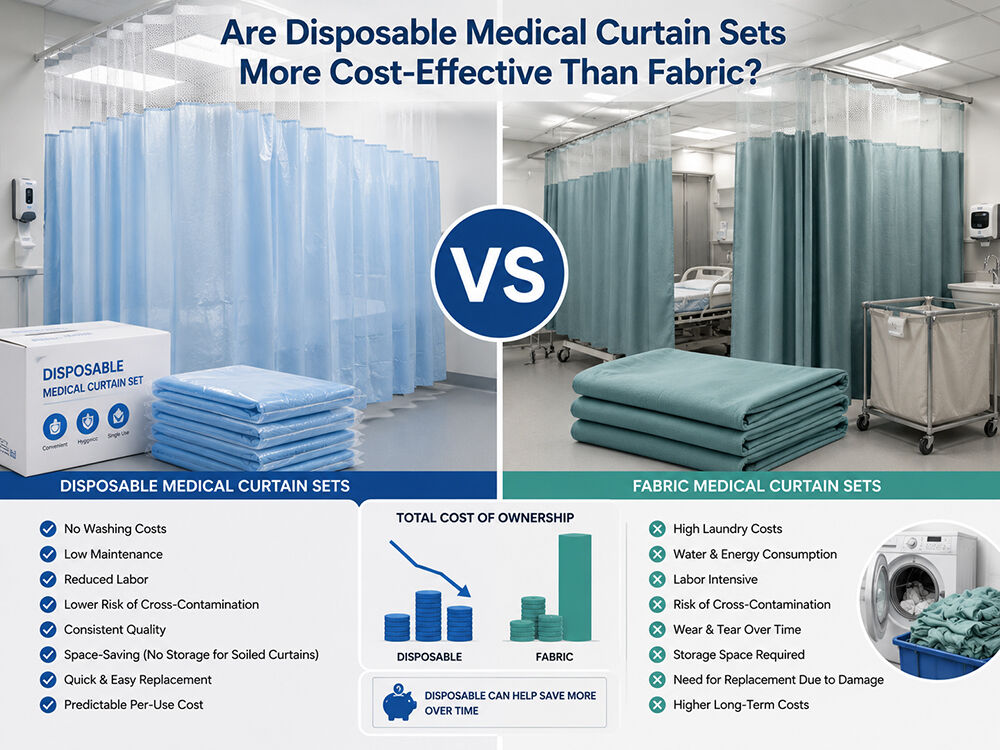
Porównanie kosztów zakupu z wyprzedzeniem oraz całkowitych kosztów posiadania
Początkowe koszty zakupu: zestawy jednorazowe vs. panele tkaninowe
Z pierwszego spojrzenia zestawy jednorazowych zasłon medycznych wydają się znacznie bardziej opłacalne niż wielokrotnie używane panele tkaninowe. Typowy zestaw jednorazowy kosztuje od 15 do 25 USD za sztukę, podczas gdy panele tkaninowe o działaniu przeciwbakteryjnym kosztują od 120 do 200 USD za panel ze względu na specjalne obróbki i cechy odpornościowe. Jednak tak wąskie skupienie się wyłącznie na cenie katalogowej pomija kluczowe koszty operacyjne, które narastają w czasie.
| Składnik kosztów | Zasłony jednorazowe | Paneli tkaninowych |
|---|---|---|
| Cena zakupu jednostkowego panelu | $15–$25 | $120–$200 |
| Prace montażowe | W zestawie | 20–40 USD za panel |
| Roczna potrzebna ilość | 12–18 wymian | 1 sztuka (przy odpowiedniej pielęgnacji) |
| Koszty materiałów w roku pierwszym | $180–$450 | $140–$240 |
rozkład całkowitych kosztów posiadania (TCO) w okresie 12 miesięcy
Zasłony tkaninowe powodują znaczne ukryte koszty operacyjne, których unika się stosując wersje jednorazowe:
- Koszty prania : 8–12 USD za cykl prania, przy czym panele wymagają czyszczenia co 2–4 tygodnie
- Praca personelu : 15–30 minut na panel na potrzeby demontażu, ponownej instalacji oraz śledzenia
- Ubytek zapasów : roczna utrata 5–7% zapasów z powodu zgubienia lub konieczności przyspieszonej wymiany
- Ryzyko zakażeń : Zasłony tkaninowe gromadzą patogeny między czyszczeniami, zwiększając liczbę incydentów krzyżowego zakażenia o 18% w porównaniu do jednorazowych produktów jednorazowych, według audytu klinicznego przeprowadzonego w sześciu placówkach opieki ostrej [źródło: Infection Control Today , 2022].
Po przeliczeniu całkowity koszt posiadania (TCO) paneli z tkaniny przekracza koszty wyrobów jednorazowych o 35–50% już w pierwszym roku — różnica ta jeszcze się powiększa po uwzględnieniu utraty wydajności personelu oraz kar związanych z nieprzestrzeganiem wymogów prawnych.
Ukryte koszty operacyjne kotar z tkaniny
Praca związane z praniem, opłaty za outsourcing oraz opóźnienia w cyklu odświeżania
Rzeczywisty koszt kotar z tkaniny wykracza daleko poza ich cenę zakupu. Każdy cykl prania wymaga znacznych nakładów pracy: personel gospodarczy musi zdjąć zabrudzone panele, przewieźć je do pralni i ponownie zamontować czyste. Korzystanie z usług zewnętrznych pralni wiąże się z wysokimi opłatami za każde kotaro — analiza przeprowadzona przez Stowarzyszenie Specjalistów ds. Kontroli Zakażeń i Epidemiologii (APIC) wykazała średnie koszty przekraczające 45 USD za jedno kotaro za każdą praninę w placówkach o dużym obrocie pacjentów. Po rozszerzeniu tej kalkulacji na dziesiątki pomieszczeń pacjentów, w których kotary są wymieniane co kwartał, takie opłaty szybko się kumulują.
Opóźnienia w realizacji zamówień prowadzą również do luk w zakresie prywatności i kontroli zakażeń. Aby zminimalizować ryzyko, wiele szpitali utrzymuje kosztowne zapasy, co wiąże się z dodatkowymi kosztami magazynowania, monitorowania i zamrożenia kapitału. Te ukryte koszty bezpośrednio wpływają na prognozy budżetowe i potwierdzają, dlaczego jednorazowe zestawy zasłon medycznych często okazują się bardziej opłacalne niż tkaniny w perspektywie całorocznej.
Obciążenie związane z przestrzeganiem zasad kontroli zakażeń oraz zakłócenia w pracy personelu
Kotary tkaninowe są dobrze udokumentowanym źródłem patogenów i często ulegają zanieczyszczeniu już w ciągu kilku dni od ich zamontowania. Przestrzeganie standardów CDC i Komisji Wspólnej wymusza częste, nieplanowane wymiany — szczególnie po wypisaniu pacjenta z pomieszczeń izolacyjnych. Analiza recenzowana przez ekspertów, opublikowana w Amerykański Czasopismo Kontroli Zakażeń wykazała, że każda wymiana kotary zajmuje około 15 minut pracy personelu sprzątającego, a także dodatkowy czas administracyjny na zakup, dokumentację oraz utylizację.
To zakłóca przepływ pracy klinicznej, odciągając pielęgniarki i pracowników czyszczących od bezpośredniej opieki nad pacjentami. Skumulowane obciążenie związane z przestrzeganiem wymogów obejmuje nie tylko koszty pracy, ale także ryzyko zakażeń nabytych w szpitalu (HAIs), które wiążą się z finansowymi sankcjami CMS oraz wydłużeniem czasu pobytu pacjenta w szpitalu. Przełączenie się na zasłony jednorazowe eliminuje powtarzające się koszty związane z przestrzeganiem wymogów, ułatwia protokoły kontroli zakażeń oraz zwalnia personel do wykonywania zadań o wyższej wartości.
Trwałość, cykle wymiany i rzeczywiste wskaźniki awarii
Średni okres użytkowania zasłon z materiału antybakteryjnego w porównaniu do zasłon z materiału standardowego
Zasłony wykonane z materiału przetworzonego antybakteryjnie zapewniają dłuższą żywotność w porównaniu do wersji niestandardowych. Podczas gdy standardowe zasłony poliestrowe mogą wymagać wymiany już po 3–6 miesiącach z powodu przebarwień lub degradacji materiału, zasłony z przetworzeniem antybakteryjnym zwykle wytrzymują od 6 do 12 miesięcy ciągłego użytkowania w obszarach klinicznych o dużym natężeniu ruchu. Ta odporność wynika z zastosowanych środków zapobiegawczych hamujących wzrost mikroorganizmów oraz ograniczających rozkład materiału spowodowany wielokrotnym narażeniem na środki dezynfekcyjne i detergenty stosowane podczas prania.
Jednak produkty jednorazowe działają na zupełnie innej zasadzie wymiany – są zaprojektowane wyłącznie do jednokrotnego użycia w trakcie pojedynczej procedury – i w związku z tym całkowicie unikają cyklu zużycia i uszkodzenia.
Tryby awarii i sygnały wymuszającej wymiany
Awaria materiału w przypadku zasłon wielokrotnego użytku zwykle następuje w sposób przewidywalny:
- Zmęczenie mechanizmu zawieszenia : elementy plastyczne ulegają degradacji po wielokrotnym ruchu
- Przenikanie plam : nieusuwalne zanieczyszczenia naruszają warstwy materiału
- Rozprzestrzenianie się rozdarć : punkty nacisku powstają w okolicach oczek lub szwów
Te awarie powodują nieplanowane wymiany, zakłócając przepływy pracy i zwiększając koszty operacyjne. Zestawy jednorazowe eliminują te ryzyka awarii przez swój projekt — ale generują stałe zapotrzebowanie na zakupy i logistykę. Zrozumienie tych różnych powodów wymiany pomaga placówkom zrównoważyć potrzeby trwałości z imperatywami kontroli zakażeń przy podejmowaniu decyzji dotyczących środków ochrony indywidualnej (PPE).
Dane kliniczne dotyczące opłacalności: Kiedy produkty jednorazowe przynoszą wartość
Studium przypadku z oddziału intensywnej terapii: Oszczędność czasu, ograniczenie krzyżowego zakażenia oraz wzrost efektywności personelu
W 2023 roku opublikowano w Journal of Hospital Infection przeanalizowano zasłony do zapewnienia prywatności jednorazowe i z materiału tkaniowego w czterech oddziałach intensywnej terapii. Placówki stosujące zasłony jednorazowe zgłosiły o 62% szybsze czasy przygotowania pomieszczeń — głównie dzięki wyeliminowaniu logistyki prania. Wyniki badań pobranych próbek z zanieczyszczeń wykazały, że zasłony jednorazowe utrzymywały stałe, niższe poziomy patogenów (<5 CFU/cm²) w porównaniu do pranych zasłon tkaniowych (>24 CFU/cm²), co bezpośrednio zmniejszało ryzyko zakażeń krzyżowych.
Analiza przepływu pracy personelu wykazała, że pielęgniarki odzyskały 45 minut na zmianę, które wcześniej poświęcały na koordynowanie wymiany zasłon — co odpowiada oszczędnościom w wysokości 18 200 USD rocznie na 12–łóżkowy oddział intensywnej terapii. Po uwzględnieniu dodatkowych oszczędności wynikających z ograniczenia zakażeń nabytych w szpitalu (HAIs) całkowite koszty operacyjne obniżyły się o 28% w porównaniu do zasłon tkaninowych — co dowodzi, że jednorazowe zestawy zasłon medycznych zapewniają mierzalną, opartą na dowodach wartość w środowiskach o wysokim natężeniu ruchu i wysokim ryzyku.
Najczęściej zadawane pytania
Dlaczego zasłony jednorazowe uznawane są za opłacalne?
Zasłony jednorazowe są opłacalne, ponieważ eliminują powtarzające się koszty operacyjne, takie jak pranie, koszty pracy oraz sankcje związane z nieprzestrzeganiem wymogów prawnych, a także minimalizują ryzyko zakażeń w kontekście kontroli infekcji.
Jak długo trwa żywotność zasłon tkaninowych w porównaniu do jednorazowych?
Zasłony tkaninowe zwykle służą od 3 do 12 miesięcy, w zależności od rodzaju stosowanych zabiegów konserwacyjnych oraz intensywności użytkowania, podczas gdy zasłony jednorazowe są przeznaczone wyłącznie do pojedynczego użycia i w ogóle unikają problemów związanych z zużyciem i uszkodzeniami.
Jakie korzyści w zakresie kontroli infekcji dają zasłony jednorazowe?
Jednorazowe kotary zmniejszają ryzyko zakażeń krzyżowych, ponieważ nie gromadzą patogenów między użyciami, w przeciwieństwie do kotar tkaninowych, które wymagają częstego prania oraz środków zapewniających zgodność z przepisami.
Czy kotary tkaninowe są bardziej wytrzymałymi niż jednorazowe?
Kotary tkaninowe z działaniem przeciwbakteryjnym są bardziej wytrzymałe pod względem długości życia użytkowania, ale wymagają wyższych inwestycji oraz większego nakładu pracy operacyjnej w porównaniu z jednorazowymi kotarami.
Czy jednorazowe kotary pozwalają zaoszczędzić czas?
Tak, jednorazowe kotary pozwalają zaoszczędzić znaczny czas, pomijając logistykę prania oraz minimalizując zakłócenia w pracy personelu, co umożliwia szybsze przygotowywanie pomieszczeń do kolejnego użytkowania.
Spis treści
- Porównanie kosztów zakupu z wyprzedzeniem oraz całkowitych kosztów posiadania
- Ukryte koszty operacyjne kotar z tkaniny
- Trwałość, cykle wymiany i rzeczywiste wskaźniki awarii
- Dane kliniczne dotyczące opłacalności: Kiedy produkty jednorazowe przynoszą wartość
-
Najczęściej zadawane pytania
- Dlaczego zasłony jednorazowe uznawane są za opłacalne?
- Jak długo trwa żywotność zasłon tkaninowych w porównaniu do jednorazowych?
- Jakie korzyści w zakresie kontroli infekcji dają zasłony jednorazowe?
- Czy kotary tkaninowe są bardziej wytrzymałymi niż jednorazowe?
- Czy jednorazowe kotary pozwalają zaoszczędzić czas?